Category: Car Facts

  • Dashcam Footage as Evidence in UK Insurance Claims: What Insurers Actually Accept

    Dashcam Footage as Evidence in UK Insurance Claims: What Insurers Actually Accept

    I’ve had a dashcam mounted behind my windscreen for years now, and for a long time I treated it as a bit of a security blanket. Comforting to have, rarely thought about. Then a van pulled out of a side road into my front quarter on the A3, the driver blamed me, and suddenly that little black box became the most important thing in the car. The claim was settled in my favour within ten days. Without the footage, I’d have been staring down a 50/50 split at best. So yes, dashcams genuinely matter for insurance, but there’s a lot more to how insurers actually handle them than most drivers realise.

    Dashcam mounted on car windscreen recording traffic, relevant to dashcam footage insurance claim UK
    Photo by Thanh Thiện Tô on Pexels

    How insurers treat dashcam footage in a claim dispute

    First thing to understand: UK insurers have no legal obligation to accept dashcam footage, and no universal standard for what they’ll admit as evidence. That sounds alarming, but in practice the major providers, including Aviva, Direct Line, Admiral, and LV, have dedicated processes for receiving and reviewing camera footage. Some have even begun offering discounts to policyholders who register a dashcam on their policy, which tells you everything about how seriously they take it.

    When a dispute arises, your insurer’s claims handler will typically request the footage as soon as you mention you have it. What they’re looking for is straightforward: a clear, timestamped, continuous recording that shows the events leading up to and including the incident. They’re not interested in edited clips, they want the raw file. That’s important. Don’t trim the footage, don’t zoom in, don’t convert it to a different format before submission. Send exactly what the camera produced.

    The footage doesn’t go to a jury. It goes to the insurer’s technical team or, in more contested cases, to a third-party accident investigator. From there it informs the liability decision. If the other party’s insurer disputes it, footage can also be used in court, where it carries the same weight as any other video evidence under the Civil Evidence Act 1995.

    Which camera specifications actually matter

    Not all dashcam footage is equal, and I’ve seen people submit recordings so dark and blurry they were practically useless. There are a few specs worth paying attention to.

    Resolution. 1080p is the baseline. Insurers can work with it, but 1440p or 2K is noticeably better for reading number plates at speed and in lower light. If your camera is still outputting 720p, it’s worth upgrading before the footage fails you when it counts.

    Frame rate. 30fps is adequate; 60fps makes fast-moving incidents much clearer and reduces motion blur. On a dual carriageway or motorway, the difference is significant.

    Night vision and HDR. A huge proportion of accidents happen in low light, early mornings, and poor weather. A camera without a decent sensor will produce footage that shows nothing but headlights and darkness. Cameras with Sony STARVIS sensors or similar low-light technology are far more useful in these conditions.

    GPS logging. This one surprises people. GPS-enabled cameras embed speed and location data directly into the footage file, which can be used to corroborate your account of what happened. If you were doing 32mph in a 30 zone at the moment of impact, that will show. If you were doing exactly 30, it works in your favour. Insurers increasingly look for this metadata.

    Wide angle lens. A 140-degree field of view covers most of what happens in front of you. Anything narrower risks missing the key moment if it happens to the side. Rear-facing cameras matter too, especially for rear-end shunts where the other driver claims you reversed into them.

    File formats: what to submit and how

    Most dashcams record in MP4 or MOV format, and both are widely accepted. The issues usually come from how people transfer the footage. Copying to a USB stick or memory card is fine; sending a compressed file via WhatsApp is not. WhatsApp strips metadata from video, which can remove timestamps and GPS information. Use the original file, ideally uploaded directly to your insurer’s secure portal or sent as an email attachment if the file size allows.

    Some insurers have their own apps now, and a handful, including Black Box Insurance providers, have integration that pulls footage directly. If your camera uses proprietary software (Nextbase, Viofo, and Garmin all have their own apps), check whether the app allows export of the raw file rather than a viewer-only version.

    The timestamp is critical. If your camera’s clock wasn’t set correctly and shows a time that doesn’t match the incident, that can be used against you. It doesn’t invalidate the footage entirely, but it gives the other side something to argue with. Check your camera’s time settings, particularly after British Summer Time changes.

    Does having a dashcam actually speed up the claim?

    In clear-cut cases, absolutely. A single-view recording that unambiguously shows fault can collapse a disputed claim from months into days. I’ve spoken to claims handlers who say liability is sometimes agreed within 24 hours when good quality footage is submitted promptly. The key word there is promptly. Don’t sit on the footage for a week before calling your insurer.

    Where it gets murkier is in complex incidents involving multiple vehicles, junctions with poor camera angles, or incidents where the footage shows something ambiguous. In those situations, the camera helps but doesn’t end the conversation. The footage becomes one piece of evidence among several, alongside witness statements, road markings, and vehicle damage patterns.

    The Association of British Insurers has acknowledged that dashcam evidence is increasingly influential in claims decisions, noting a clear trend towards faster resolution when footage is available and of sufficient quality. That’s a meaningful endorsement from the industry body that sets much of the guidance insurers follow.

    One thing worth knowing: if the other driver also has a dashcam, their insurer can request it too. That cuts both ways. If you were at fault and know it, footage from both sides will usually make that clear. The days of speculative 50/50 claims are genuinely becoming less common as camera adoption rises.

    Practical steps to make your footage count

    Get into the habit of checking your camera is recording every time you start the car. I do it every morning, same as checking mirrors. Cameras fail, memory cards fill up or corrupt, mounts come loose in heat. A camera that isn’t recording is worse than no camera because you might assume you’re covered when you’re not.

    Back up footage after any incident immediately. Most cameras loop-record and will overwrite old footage within hours on a full card. Pull the card or connect via USB as soon as you’re safely parked up.

    Keep a secondary copy. Copy the file to a laptop or cloud storage before you do anything else. That’s your insurance against a faulty card read or an insurer’s portal going wrong.

    If you’re buying a used car and want to factor dashcam evidence into your broader protection strategy, it fits alongside other practical checks. For instance, understanding what a full service history actually adds to a used car’s value is part of the same due diligence mindset, knowing what documentation protects you and when. Similarly, if you’re running a car with modifications, be aware that changes to your vehicle can affect how insurers view your claim, much like the considerations around your right to repair at independent garages and how that interacts with warranty and insurance terms.

    And if you’re towing anything, a rear-facing dashcam becomes even more valuable. The rules around towbar fitting and type approval are complex enough without adding a disputed incident to the mix.

    Bottom line: a dashcam is one of the best-value purchases you can make for a car. But only if it’s the right spec, recording correctly, and you know how to submit the footage when you need to. Get those three things right and it will earn its keep.
  • ULEZ and Clean Air Zone Checker Errors: What to Do if Your Vehicle Has Been Incorrectly Flagged

    ULEZ and Clean Air Zone Checker Errors: What to Do if Your Vehicle Has Been Incorrectly Flagged

    Your car meets the emission standard. You know it does. The paperwork is there, the engine spec is right, and yet TfL’s checker or Birmingham’s CAZ portal has decided your vehicle is non-compliant. Suddenly you’re staring down daily charges you shouldn’t owe. This situation is more common than most people realise, and sorting a ULEZ incorrect classification appeal UK isn’t always as straightforward as it ought to be. I’ve spoken to more than a few frustrated owners who spent weeks going round in circles before finally getting a correction. Here’s what you actually need to know.

    Driver reviewing a ULEZ incorrect classification appeal UK result on a mobile phone in their car
    Photo by John Joshua Mejia Jose on Pexels

    Why vehicles get incorrectly classified in the first place

    The root cause, almost every time, is the data held by the DVLA at Swansea. When TfL, Birmingham City Council, or Bath & North East Somerset pull vehicle records to verify compliance, they’re querying DVLA’s database. If that data is wrong or incomplete, the checker spits out the wrong answer. Simple as that.

    DVLA records don’t always capture the full emissions specification of a vehicle, particularly for older Euro 5 or Euro 6 diesel cars imported from mainland Europe, grey imports (a subject I’d already flag as complicated before you even get to clean air zones), and cars that have been re-registered after a major rebuild. Engine swaps are another one. If someone’s dropped a compliant Euro 6 lump into a car that was originally Euro 4, DVLA may still carry the original engine classification unless it was formally updated.

    Some cars are also genuinely borderline. A diesel first registered in early 2015 might be Euro 5 or Euro 6 depending on the exact production date and market. If DVLA is holding only the registration date rather than the actual emission type, the checker can land on the wrong side of that boundary every time.

    London ULEZ: how to challenge the classification

    TfL runs its own vehicle checker at tfl.gov.uk. If you’ve been charged daily or received a penalty charge notice and you believe your car meets the Euro 6 petrol or Euro 6 diesel standard (or Euro 3 petrol for ULEZ purposes), you have two options depending on where you are in the process.

    If you’ve received a Penalty Charge Notice, you can make a formal representation. There’s a box on the PCN form specifically for challenging the compliance classification. Include your V5C, any emissions type confirmation from the manufacturer or main dealer (a letter on headed paper is best), and if you can get a WLTP or NEDC test certificate from the manufacturer confirming the Euro standard, include that too. TfL’s adjudicator service, run via London Tribunals, is independent and does overturn classifications when the evidence is solid.

    If you haven’t yet received a charge but the checker is showing non-compliant, contact TfL’s Vehicle Enquiry team directly and raise a data discrepancy. Put it in writing. Reference the specific VRM, your V5C reference number, and any manufacturer documentation. Keep a copy of everything.

    Birmingham CAZ and Bath CAZ: the appeals process is different

    Birmingham and Bath both use the national CAZ Service portal, which is run jointly by the Office for Zero Emission Vehicles and local councils. The checker sits at gov.uk and queries the same DVLA data pool, so the same data errors that bite people in London crop up here too.

    In Birmingham, if the CAZ checker says your vehicle doesn’t meet the standard and you believe it does, you can contact Birmingham City Council’s CAZ team with documentary evidence. The process is similar to London in principle, but the turnaround times and responsiveness have been inconsistent. I’d always recommend following up any email or web form submission with a phone call and a note of who you spoke to and when.

    Bath operates a smaller zone, and the volume of appeals is lower, which in practice can mean faster resolution. Bath & North East Somerset Council handles their own representations. Again, the key is documentary evidence: V5C, manufacturer emissions certification, and if you’ve had the car recently serviced and the invoice references the Euro standard, that’s worth including as supporting material.

    For any zone, the official gov.uk clean air zones guidance is the starting point for understanding your rights in the process. Read it before you fire off a complaint, because the specific grounds for challenge matter.

    Getting the DVLA record corrected

    Winning an appeal gets you out of a specific charge, but it doesn’t necessarily fix the underlying DVLA record. That matters because you’ll keep hitting the same problem every time a zone queries your vehicle.

    To get the DVLA record updated, you need to contact the DVLA directly and provide evidence of the correct emission type. The process involves submitting your V5C along with manufacturer documentation confirming the Euro emission standard. If you bought the car from a main dealer, they should be able to provide a certificate or letter on your behalf. Some manufacturers, including Volkswagen Group brands, BMW and Mercedes-Benz, have online tools that let you enter a VIN and retrieve the original specification, including the Euro standard. Print or save that confirmation.

    Send everything by recorded post to DVLA, Swansea, SA99 1BN, keeping copies. There’s no guaranteed timescale for data amendments, but the DVLA has a legal obligation to hold accurate data. Chasing by phone (0300 790 6802) after 28 days is reasonable if you’ve had no acknowledgement.

    This ties into broader questions about what data your V5C actually reflects and what it doesn’t, which is something I think most drivers underestimate until it comes back to bite them. If you’ve ever had a question about what the DVLA records actually mean for your car’s compliance, it’s worth reading up on your rights as a vehicle owner more generally.

    What evidence actually wins a ULEZ incorrect classification appeal UK

    I’ll be direct: a vague complaint that the checker “must be wrong” won’t get you far. You need paper. The strongest pack looks like this:

    Your V5C logbook showing the exact VRM and engine code. A letter or certificate from the vehicle manufacturer confirming the Euro emission standard by VIN. If the car has had an engine replacement, a receipt or invoice from the garage that fitted the new engine, plus any DVLA confirmation of the updated spec. For older European imports, the Certificate of Conformity (CoC) is gold. You can usually get this from the original manufacturer for a small fee, often around £20 to £50 depending on the brand.

    Keep your documents organised. If you’ve already had tyre, service or other mechanical work done and the invoices reference engine spec, they’re worth including as corroborating detail, though they won’t carry much weight on their own.

    The bigger picture: DVLA data quality and your car

    The ULEZ situation is really just the most visible symptom of a longstanding data quality issue at the DVLA. Emission type, engine capacity, fuel type, body style. These fields are only as accurate as what was recorded when the vehicle was first registered, and errors made decades ago don’t automatically get corrected.

    If you’re buying a used car and compliance with any clean air zone is a factor, I’d recommend checking the zone’s own checker before you buy, not after. If the checker shows non-compliant and the seller insists the car meets the standard, make it a condition of sale that they provide manufacturer emissions documentation before you exchange money. I’ve seen deals fall apart at that stage because the seller genuinely didn’t know the DVLA record was wrong. It’s messy for everyone.

    For a broader perspective on how vehicle records and condition interact with buying decisions, the points in our piece on what full service history actually tells you about a used car are relevant here. And if the clean air zone charge situation is pushing you to reconsider whether to keep a particular vehicle or cut your losses, our look at scrapping your car and avoiding rogue dealers is worth a read.

    ULEZ and clean air zone appeals aren’t glamorous. But getting a charge overturned that you never should have received? That’s worth every minute of the paperwork.

    Frequently Asked Questions

    How do I appeal a ULEZ charge if my car has been incorrectly flagged as non-compliant?

    If you’ve received a Penalty Charge Notice from TfL, you can make a formal representation citing incorrect emissions classification. Gather your V5C, manufacturer certification confirming your car’s Euro standard by VIN, and submit these with your representation either online or by post. For incorrect checker results before any charge, contact TfL’s Vehicle Enquiry team directly with the same documentation.

    Why does the ULEZ checker say my car is non-compliant when I know it meets the standard?

    The most common cause is inaccurate data held by the DVLA, which TfL and other clean air zone operators query. If your vehicle’s emission type wasn’t recorded correctly at registration, or has changed due to an engine swap, the checker will return the wrong result. Getting the underlying DVLA record corrected is just as important as winning the immediate appeal.

    Does the appeals process for Birmingham or Bath CAZ work the same way as London ULEZ?

    The principles are similar, but Birmingham and Bath use the national CAZ Service portal and their own local council processes rather than TfL’s system. Birmingham City Council and Bath & North East Somerset Council handle representations separately. The key evidence you need is identical: V5C, manufacturer emissions certification, and any supporting documentation referencing your car’s Euro standard.

  • Scrapping Your Car in the UK: How to Avoid Rogue Scrap Dealers and Get a Fair Price in 2026

    Scrapping Your Car in the UK: How to Avoid Rogue Scrap Dealers and Get a Fair Price in 2026

    Scrapping a car sounds simple. Phone someone, they take it away, job done. The reality is messier, and for a lot of UK drivers it ends with a dodgy cash-in-hand transaction, a DVLA record that still shows them as the registered keeper, and a former daily driver sitting in some fly-tipper’s field. Getting the scrap car UK best price in 2026 is genuinely possible, but only if you know the rules and use them to your advantage.

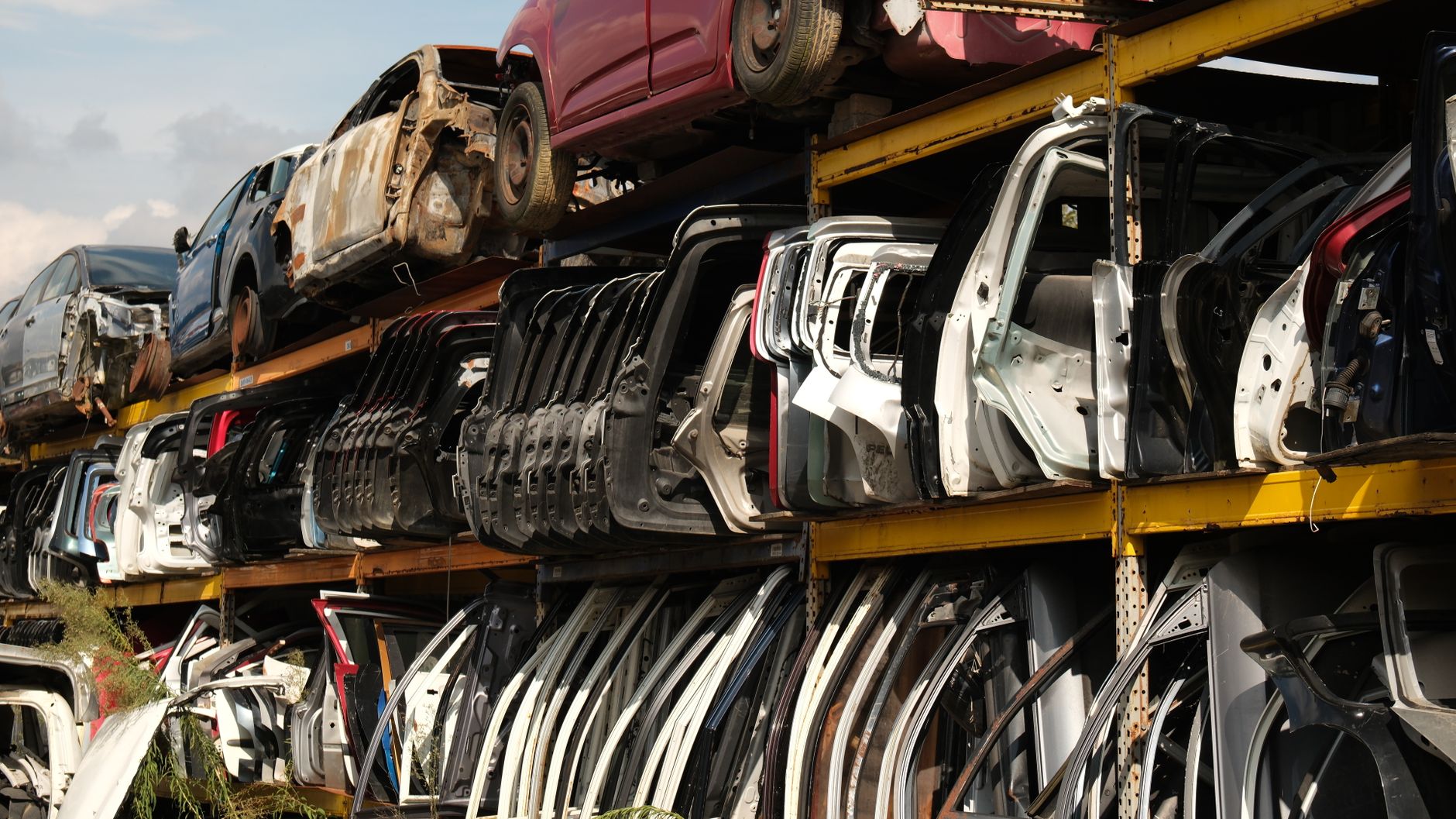
    A UK scrap car yard with crushed vehicles stacked ready for processing, illustrating how to get scrap car UK best price 2026
    Photo by Aziz Er on Pexels

    Why the Certificate of Destruction matters more than the money

    Let’s start with the paperwork, because this is where people get burned. When you scrap a vehicle in the UK, you are legally entitled to a Certificate of Destruction (CoD). This is the document that proves your car has been processed at an authorised facility and that you are no longer liable for it as a keeper. Without it, you remain on the hook for any offences committed using that vehicle, and the DVLA can pursue you for VED non-payment if the new keeper doesn’t declare the car off road.

    The CoD is only issued by an Authorised Treatment Facility (ATF) registered with the Environment Agency and the DVLA. These businesses must depollute vehicles correctly, draining fluids and removing hazardous materials before the shell goes to a shredder. Legitimate ATFs are listed on the public register, and checking yours takes about 90 seconds online. I’ve spoken to people who handed over a car to someone in a Transit van offering cash and then spent months arguing with the DVLA about outstanding liability. Don’t be that person.

    How to check if a scrap dealer is an ATF

    The Environment Agency maintains a public register of authorised waste carriers and ATFs. You can search by postcode or company name. If the business you’re speaking to isn’t on it, they are operating illegally. Full stop. Some will claim to be “partnered with” a registered facility, which is technically meaningless if you hand the car to an unregistered collector. You need the actual ATF to take receipt of the vehicle.

    There are other red flags worth knowing. Any dealer who insists on cash only and can’t send you a receipt is worth avoiding. Anyone who refuses to issue the CoD immediately, or says you’ll “get it in the post”, is also worth walking away from. The CoD should be issued on the day the vehicle is accepted.

    Online scrap pricing platforms vs turning up at a local breaker’s yard

    This is where it gets genuinely interesting, and my honest take might surprise you. Online platforms like Motorway Scrap, Scrap Car Network, and Scrap Car Comparison pull in quotes from multiple ATFs and registered collectors, usually based on current metal prices. Scrap values track steel and aluminium commodity pricing, so they fluctuate week to week. Using an aggregator means you get something close to the live market rate without having to ring around six yards yourself.

    The catch with online quotes is that they’re often subject to a “vehicle condition check” when the driver actually arrives. Quote £180, deduct £40 for a missing catalytic converter, deduct another £20 because it won’t start, and suddenly you’re at £120. This isn’t necessarily dodgy; it’s just how the market works. Be completely honest about the car’s condition when you fill in the online form, and the quote you get will be much closer to what you actually receive.

    Turning up at a local breaker’s yard in person has its own advantages. If your car has usable parts, a physical breaker might offer more than scrap weight value because they want to sell those components on. I’ve seen a tatty 2009 Ford Focus fetch £350 at a breaker’s because it had a low-mileage engine the yard could pull and resell, when the same car was quoted £165 on an online platform. Parts value and scrap value are two completely different calculations. If your car runs and has decent components, shop around both routes before you commit.

    What actually drives the scrap price of your car

    Steel is the main driver. A typical family hatchback weighs around 1,200kg, and scrap steel prices in the UK have hovered between £120 and £160 per tonne through much of 2025 and into 2026. So a rough calculation on metal value alone puts many cars in the £140 to £190 range. Catalytic converters add significant value, particularly on certain Honda, Toyota, and Ford models where platinum group metals fetch a premium. Telling the yard upfront that the cat is present and intact will almost always get you a better quote.

    Battery condition matters too if you’re scrapping a hybrid or an electric vehicle. I’d recommend reading up on how battery health checks work on used electric cars before you scrap one, because a pack in reasonable condition might be worth considerably more to a specialist recycler than the standard scrap quote would suggest. Don’t leave that money on the table.

    Age and make affect parts demand rather than metal weight. A 2008 Vauxhall Astra and a 2008 BMW 3 Series have similar scrap weights, but the BMW parts market is far more active, so a breaker will factor that in. The same logic applies to vans: popular fleet vehicles like the Ford Transit or Vauxhall Vivaro have consistent parts demand that can push the net return above pure scrap value.

    The SORN question and what to do before collection

    If your car is sitting on your drive awaiting collection, declare it SORN with the DVLA and stop paying VED the moment you stop using it on the road. The refund for unused whole months of tax is automatic and usually arrives by cheque within a few weeks. You don’t need to wait until after collection to do this; SORN the moment the car is off the road.

    Remove your personal belongings, obviously, but also check whether the car has a private number plate you want to retain. Once a vehicle is scrapped and the CoD is issued, the plate is gone. If you want to transfer a cherished registration, that process has to happen before the vehicle is crushed. I’ve seen people lose plates worth several hundred pounds because they forgot to do this step first. The DVLA’s plate transfer process isn’t complicated, but it does take a few days, so factor that in when you’re booking collection.

    Getting the most out of scrap in 2026

    My practical advice: start with two or three online quotes from reputable aggregators to get a baseline. Then ring your nearest confirmed ATF directly and ask what they’d offer. If the car has parts value, contact a local breaker separately. You’ll have three data points within an hour, and you’ll know whether you’re looking at a pure scrap job or something that might fetch more through the parts route.

    If the car has been in an accident and you’re weighing up repair costs against scrap value, it’s worth knowing how the used car market might treat a repaired car before you scrap it. Some people are surprised that a car with minor cosmetic damage actually sells privately for more than scrap weight. The decision to scrap isn’t always as obvious as it feels in the moment, especially if the running costs elsewhere are manageable. The real cost of running an older diesel might tip the balance, but do the numbers properly first.

    And for anyone who’s been through the headache of pothole damage claims and found the repair bill outstrips the car’s value, scrapping via a proper ATF is genuinely the cleanest exit. Just make sure you get that Certificate of Destruction before anyone drives away with your motor.

    Frequently Asked Questions

    How do I find a DVLA-registered Authorised Treatment Facility near me?

    Search the Environment Agency’s public register of authorised waste carriers, which you can access on the gov.uk website. Enter your postcode and filter for vehicle treatment facilities. Any ATF on this list is legally authorised to issue a Certificate of Destruction.

    What is a Certificate of Destruction and do I really need one?

    A Certificate of Destruction (CoD) is the official document confirming your vehicle has been processed at a registered facility. Without it, you remain the legal keeper in DVLA records and could be held responsible for any issues involving the vehicle after it leaves your hands. Always insist on receiving it on the day of collection.

    How much will I get for my scrap car in the UK in 2026?

    Most standard family hatchbacks and saloons fetch between £130 and £220 at current scrap prices, based on vehicle weight and live steel values. Cars with intact catalytic converters, usable components, or newer drivetrains can command more, particularly if a breaker’s yard assesses them for parts rather than pure metal weight.

    Are online scrap car quote platforms actually reliable?

    Reputable aggregators like Scrap Car Network and Scrap Car Comparison pull genuine quotes based on live commodity prices and can save you a lot of ringing around. The key is to be completely accurate about the car’s condition when you submit the form; a final offer can drop significantly if the driver arrives and finds the car differs from your description.

  • How UK Auction Houses Like BCA and Manheim Actually Work for Private Buyers

    How UK Auction Houses Like BCA and Manheim Actually Work for Private Buyers

    Car auctions have always carried this mystique about them. Trade buyers sweeping in at dawn, filling their forecourts for half of what you’d pay at a dealership. I’ve spent time at BCA sites and watched the whole thing unfold, and the reality is messier, more expensive, and more interesting than the rumours suggest. The big question most private buyers ask is simple: can I actually get in there and bid? The short answer is yes, usually. But BCA car auction private buyer UK access is a different experience to what trade buyers get, and if you go in without understanding the numbers, you can easily overpay on a car you’ve never started.

    Inside a BCA car auction hall where private buyers can bid on vehicles alongside the trade
    Photo by Wolfgang Weiser on Pexels

    Can private buyers actually attend BCA and Manheim auctions?

    BCA (British Car Auctions) is the largest vehicle remarketing group in the UK. Manheim, owned by Cox Automotive, runs a close second. Both operate physical auction centres around the country as well as online bidding platforms. BCA runs its consumer-facing arm under the BCA Marketplace brand, and private buyers can register through their website. Manheim is more trade-oriented, but private buyers aren’t explicitly locked out of all their channels either.

    The honest reality is that the main physical halls at BCA sites like Blackbushe, Belle Vue in Manchester, or Perry Barr in Birmingham are built for the trade. Dealers, fleet managers, and brokers make up the bulk of the room. A private buyer can register, pay a membership or registration fee (BCA charges a one-off fee for private buyer access), and bid alongside them. You won’t be turned away at the door. But you will be the only person there without a dealer plate and a stack of Pirelli caps.

    Online bidding through BCA’s platform has made this more accessible in recent years. You can browse stock, watch live auctions stream, and bid remotely without setting foot in a cold warehouse in Feltham. That convenience has a cost, though, and it’s called the buyer’s premium.

    What the buyer’s premium actually does to your final price

    This is where people get stung. The hammer price is not what you pay. On top of the winning bid, BCA adds a buyer’s premium, which for private buyers is typically higher than the trade rate. As of 2026, BCA’s private buyer premium sits around 4.8% to 5% of the hammer price, subject to a minimum fee per vehicle and VAT on top of that premium. Manheim’s structure is similar.

    Let’s make that concrete. You win a Ford Focus on a £6,000 hammer price. The buyer’s premium at 5% adds £300. Then you pay VAT on the premium at 20%, so another £60. Your total before collection is £6,360, and that’s before you’ve thought about delivery, which can run another £150 to £250 depending on distance. Suddenly the “bargain” price looks less sharp.

    Trade buyers often pay a lower premium rate because they’re buying volume and because their VAT is reclaimable. Private buyers cannot reclaim that VAT. This is the structural disadvantage that the auction houses don’t put in the headline numbers. Always calculate the full landed price before you even start bidding.

    Due diligence when you can’t take a test drive

    Here’s the thing that separates experienced auction buyers from the ones who end up posting horror stories on forums. You are almost never going to drive the car before you buy it. At a physical auction, you might get to sit in it, start the engine briefly, and check the basics. Online, you’re working from a grade report and a set of photographs.

    BCA uses a grading system (1 to 5, with 5 being the best) and produces a condition report listing recorded damage. These reports are done by their own inspectors and they are not independent assessments. I’ve seen grade 4 cars with genuinely rough interiors and grade 3 cars that scrubbed up well. The grade is a guide, not a guarantee.

    Run a full HPI check before you bid. Non-negotiable. A vehicle with outstanding finance registered against it will have that finance follow it to you as the new keeper if you’re not careful. The gov.uk vehicle enquiry service will confirm tax and MOT status in seconds. Beyond that, check the MOT history through the DVLA’s own lookup tool, it’s free and it’ll show you advisory notes from previous tests that can tell you far more about a car’s mechanical condition than any auction grade.

    If the car has a recent MOT with a clean sheet, that’s reassuring. If it has a string of advisories for suspension wear, brake pipes, or tyres across consecutive tests, those are patterns worth worrying about. Auction cars often come from fleet disposals, lease returns, or part-exchange clearance. They haven’t been prepared for sale the way a dealer would prep a forecourt car. Think about the full service history as part of that assessment, auction cars frequently come with partial history or none at all, which affects both reliability confidence and what you can resell for later.

    What categories of car actually represent value at auction

    I’d argue the sweet spot for private buyers is high-volume, well-documented cars where the mechanical risks are lower and parts are cheap. Think Vauxhall Astra, Ford Focus, Volkswagen Golf, Toyota Yaris. Cars that were serviced at franchised dealers their whole lives, with documented service records, and where any fault is both diagnosable and affordable to fix. Buying a prestige German saloon at auction with no history and a couple of warning lights on the dash is a different game entirely.

    Electric and hybrid stock is appearing at auction more frequently now, particularly ex-fleet vehicles coming off three-year leases. If you’re looking at that route, do read up on the specific checks involved, there’s a good breakdown of what to look for when buying a used electric car that covers battery health in detail, because auction condition reports rarely dig into state of health figures properly.

    Knowing your ceiling before the hammer falls

    Auction rooms have a specific kind of energy that makes people overpay. I’ve watched it happen. The increments go up in £100 or £250 steps, it feels like small money, and suddenly you’ve bid £1,200 more than your actual budget. Set your maximum hammer price before you enter that room or open that tab. Write it down. Stick to it.

    Your maximum hammer price should be calculated backwards from what you’re willing to pay all-in. If your total budget is £7,500, subtract the buyer’s premium (say 5%), VAT on that premium, and any delivery cost. That leaves you with a hammer ceiling of roughly £6,900 before you start fudging it. If it goes past that, let it go. Another one will come.

    The comparison with private buying or using a dealer always comes back to risk versus price. Dealers give you Consumer Rights Act protection. Private sales give you nothing but goodwill. Auctions sit somewhere in between, you have some recourse if the car was misdescribed, but the thresholds are narrow and the process is slow. If the idea of buying without any mechanical warranty worries you, it’s worth reading through how leasing compares to buying used before committing to the auction route, because for some buyers the peace of mind of a factory-backed vehicle makes more financial sense over three years than a cheaper auction buy that needs immediate work.

    Auctions can absolutely work for private buyers. BCA and Manheim are not trade-only fortresses. But the buyer’s premium, the lack of a test drive, and the pace of bidding mean you need to go in with your eyes fully open and your numbers already done. Get those right and there are genuine deals to be had. Get them wrong and you’ve paid dealer money for a car with no comeback.

    Frequently Asked Questions

    Can a private buyer register for a BCA car auction in the UK?

    Yes. BCA allows private buyers to register through their website or at a physical site. You’ll pay a one-off registration fee and then have access to both live and online auctions. The experience differs from trade buyers in terms of premium rates and volume, but you won’t be turned away.

    How much is the buyer's premium at BCA for a private buyer?

    BCA’s buyer’s premium for private buyers is typically around 4.8% to 5% of the hammer price, subject to a minimum charge per vehicle, with VAT added on top of that premium. Trade buyers often pay a lower rate. Always calculate the full cost including premium and VAT before bidding.

    Can you test drive a car before bidding at a UK auction?

    In most cases, no. Physical auction sites may allow you to start the engine and inspect the car in the auction lane, but a full test drive is almost never available. Online bidding relies entirely on the condition report and photographs, so thorough due diligence beforehand is essential.

    What checks should I run on a car before bidding at BCA or Manheim?

    Run a full HPI check to identify outstanding finance, write-offs, or stolen status. Use the DVLA’s free MOT history service to check for recurring advisories. Review the auction house’s condition report critically, as it’s produced in-house rather than by an independent inspector. Check tax status via gov.uk too.

  • Leasing vs Buying a Used Car in the UK: Which Actually Works Out Cheaper Over Three Years

    Leasing vs Buying a Used Car in the UK: Which Actually Works Out Cheaper Over Three Years

    The car leasing vs buying used UK debate gets rehashed endlessly, but most of what you’ll read either reads like a lease broker’s brochure or a used car dealer’s pitch. I want to try something different: actual numbers, realistic scenarios, and an honest look at where each option bites you in ways you didn’t expect when you signed on the dotted line.

    The short version? Neither option is universally cheaper. The one that works out better depends almost entirely on how you use a car, how long you want to keep it, and how much you hate financial surprises. Let me walk through the specifics.

    Used car forecourt in the UK illustrating the car leasing vs buying used UK decision
    Photo by Matheus Bertelli on Pexels

    How the numbers stack up at the start

    Take a realistic example. A three-year-old Ford Puma with around 30,000 miles on it will cost you somewhere between £14,000 and £17,000 to buy outright in 2026, depending on spec and service history. A brand-new Puma on a three-year personal contract hire (PCH) deal, at 10,000 miles per year, might run you around £280-£320 per month with a typical initial payment of three months upfront. That’s roughly £11,500-£12,000 over the term, not including any maintenance package.

    On paper, leasing looks cheaper by a few grand. But that ignores what happens at the end of three years with the used car you bought: you still own something worth money. A Puma bought today for £15,000 might be worth £8,000-£9,000 in three years if it’s been sensibly kept. That’s a £6,000-£7,000 depreciation hit. The lease deal? You’ve paid £12,000 and you own nothing. The numbers are already closer than people think.

    Depreciation is not your enemy if you buy right

    The classic argument for leasing is that you dodge depreciation. That’s true with a new car, where the sharpest drop happens in the first two or three years. But buying a used car that’s already taken that hit is a completely different calculation. If you buy a three-year-old car, someone else has already eaten the worst of the depreciation curve. You’re buying at a point where the value loss per year has slowed considerably.

    The used car buyer’s real risk is buying the wrong car. A model with poor reliability, an approaching major service, or hidden structural issues can turn a sensible purchase into a money pit fast. This is where a full service history genuinely matters, not just as a negotiating chip but as evidence that the car has been maintained to a standard that means you’re not walking into a repair bill in month four.

    What maintenance packages on a lease actually cost you

    Most lease companies will sell you a maintenance package alongside the PCH deal. These typically cover scheduled servicing, tyres, and sometimes brakes. For a medium-sized family car, you might pay an extra £50-£80 per month for a full maintenance package. That’s another £1,800-£2,880 over a three-year term. Suddenly that lease deal that looked lean is costing closer to £15,000 all-in, before the initial rental.

    And here’s the thing: if you skip the maintenance package on a lease, you’re still responsible for servicing the car to the manufacturer’s schedule. Miss a service or use a non-approved garage and you might face charges when you hand the car back. If you do buy the package, you’re paying a premium for convenience that a competent independent garage could undercut significantly. The Right to Repair legislation means you’re not obligated to use main dealers for a car you own, but on a lease you’re playing by the lease company’s rules.

    Mileage limits are where leasing bites hardest

    PCH contracts are priced around a fixed annual mileage. Standard deals tend to offer 8,000, 10,000, or 15,000 miles per year. The excess mileage charge when you go over? Typically 5p to 12p per mile depending on the car and the contract. That doesn’t sound like much until you’ve done 3,000 miles over in a year, at which point you’re looking at £150-£360 extra at handback. Do that across three years and you’ve added £450-£1,080 to the total cost of the lease with zero benefit to you.

    Used car buyers don’t have this problem. Drive 20,000 miles in a year because work sent you up and down the country? Your car takes the mileage hit in value, but there’s no bill landing on your doormat. That flexibility is genuinely valuable and consistently underestimated by people running the headline monthly cost comparison.

    The Which? guide to PCH is useful here for understanding what contract terms you’re actually agreeing to before you sign, because the small print on excess mileage, condition charges, and early termination fees is where the real cost of a lease lives.

    Early exit: where leasing becomes genuinely expensive

    Life changes. Job redundancy, a growing family, a new city, a medical condition that changes what you need from a car. With a used car you own, you sell it. Simple. You take whatever the market offers and move on.

    With a PCH deal, exiting early is brutal. Most contracts allow early termination but charge you 50% of remaining rentals as a minimum. If you’re 18 months into a 36-month contract paying £300 per month, that’s potentially £2,700 in termination fees. The car is handed back and you leave with nothing except a significant bill. I’ve seen drivers trapped in lease contracts through genuine hardship because the exit cost made it unaffordable to leave. That’s a risk the monthly comparison never shows you.

    Condition charges at handback

    Beyond mileage, lease companies assess the car’s condition when you return it. The British Vehicle Rental and Leasing Association (BVRLA) has a Fair Wear and Tear guide that sets out what’s acceptable. Anything outside those standards, a scuff on a bumper, a small tear in the seat fabric, a chip in the windscreen, can attract charges. These are often £100-£400 per item. Families with children, dogs, or anyone who uses their car as an actual car rather than a showroom piece should price this risk into the equation.

    With your own used car, a stone chip is just a stone chip. You fix it if you care about it, ignore it if you don’t. Nobody sends you an invoice.

    So which actually works out cheaper?

    If you do low mileage, want a new car every three years, never go over the limit, keep it immaculate, and wouldn’t dream of needing to exit early, leasing works out very competitively. The all-in cost over three years, even with a maintenance package, can land close to what you’d pay in depreciation on a used car plus running costs.

    But if you drive more than 12,000 miles a year, if your circumstances might change, or if you want the flexibility to sell up and buy something different in 18 months’ time, used car ownership is considerably cheaper across almost every real-world scenario. The asset value you retain matters. The absence of penalty clauses matters. The ability to choose your own garage matters.

    My honest take: leasing suits a specific driver profile and it’s not the majority. Most people who’d be better off buying a solid used car get drawn into a lease by the low monthly number on the advert, without ever running the full three-year total. Do that maths before you commit. It’s rarely as clear-cut as the lease broker makes it look.

    Frequently Asked Questions

    Is car leasing cheaper than buying a used car in the UK?

    Not necessarily. Leasing can look cheaper on a monthly basis, but once you factor in initial payments, maintenance packages, mileage penalties, and condition charges at handback, the total cost over three years often matches or exceeds what you’d spend buying and running a comparable used car. The used car also retains resale value, which leasing does not.

    What happens if I go over my mileage limit on a PCH deal?

    Excess mileage charges on personal contract hire deals typically run from 5p to 12p per mile over your agreed limit. If you exceed your allowance by 3,000 miles a year, that can mean an unexpected bill of £150 to £360 per year at handback, with no benefit to you whatsoever.

    Can I end a car lease early in the UK?

    Yes, but it’s expensive. Most PCH contracts charge around 50% of remaining rental payments as an early termination fee. If you have 18 months left on a £300-per-month deal, that could mean paying £2,700 to exit. Selling a car you own outright has no equivalent penalty.

    What condition does a leased car need to be in when I return it?

    Lease companies assess returned vehicles against the BVRLA Fair Wear and Tear guide. Anything considered beyond normal use, including scuffs, chips, or interior damage, can attract charges typically ranging from £100 to £400 per item. Drivers with children, pets, or heavy daily use should factor this risk into the total cost.

    Is it better to lease or buy a used car if I drive more than 15,000 miles a year?

    Buying a used car is almost always better value for high-mileage drivers. Leasing contracts priced at higher mileage allowances cost significantly more per month, and excess charges apply if you still go over. Owning a used car means the only mileage penalty is slightly lower resale value, which is far more predictable and manageable.

  • Right to Repair and Your Car: What UK Legislation Means for Independent Garage Servicing

    Right to Repair and Your Car: What UK Legislation Means for Independent Garage Servicing

    There’s a myth that’s cost UK drivers a fortune over the years, and manufacturers have been quietly happy to let it persist. The idea goes like this: take your car anywhere other than the main dealer and you’ll void your warranty. For a long time, plenty of people believed it. Some service advisors at main dealers still imply it, even now. The reality, thanks to UK and retained EU legislation on right to repair car warranty UK rules, is considerably different, and knowing the actual law could save you hundreds of pounds every year.

    Independent garage mechanic running diagnostics — right to repair car warranty UK in practice
    Photo by Sergey Meshkov on Pexels

    What the right to repair law actually says

    The core legislation here is Block Exemption Regulation (BER), which the UK retained after leaving the EU. Under the Motor Vehicle Block Exemption Order (MVBEO), car manufacturers cannot legally require you to use their authorised dealer network for routine servicing in order to keep your new-car warranty intact. The key conditions are straightforward: the work must be carried out to the manufacturer’s specification, using parts of equivalent quality, and the garage must be competent to do the job.

    That last bit is where people get fuzzy. “Competent” doesn’t mean any bloke with a socket set. It means a properly equipped independent garage, ideally VAT-registered, that can document the work correctly on an approved service schedule or digital service record. The paperwork trail matters enormously, which I’ll come back to in a moment.

    The Competition and Markets Authority (CMA) oversees this in the UK, and their guidance is clear: manufacturers who threaten warranty invalidation purely because you used an independent garage are acting unlawfully. If you’ve ever been told otherwise at a dealership, you were being misled.

    What independent garages can now legally access

    This is where it gets genuinely interesting for anyone who spends time around workshops. Diagnostic data access has historically been the main weapon manufacturers used to keep independents at arm’s length. If your local garage can’t read the fault codes, can’t run a regeneration cycle on the DPF, can’t reset the service counter or programme a new key, then dealer dependency becomes a practical reality even if it isn’t a legal one.

    Under the retained BER rules, manufacturers must provide independent repairers with access to the same technical information, tools, and diagnostic data that they give their own authorised networks. That includes repair procedures, wiring diagrams, software reset functions, and access to telematics data relevant to repair work. The Society of Motor Manufacturers and Traders (SMMT) acknowledges this, and the SMMT’s guidance on technical information access sets out what the industry expects from both sides.

    In practice, platforms like AUTODATA, Haynes Pro, and manufacturer-specific portals (most now offer pay-per-use access) mean a well-resourced independent can legally pull the same data a dealer technician uses. Some manufacturers are better than others at making this seamless. Toyota and Volkswagen Group have relatively open access portals. A handful of others, particularly some premium German brands, still make the process more bureaucratic than it needs to be, though they’re legally obliged to provide it.

    Service invoice and digital record proving right to repair car warranty UK compliance
    Photo by Tima Miroshnichenko on Pexels

    Why the service record still matters more than where you service

    I’ve seen used cars with full main-dealer service history sell for a premium that frankly wasn’t justified by the stamp in the book. And I’ve seen independent-serviced cars with meticulous digital records get undervalued because buyers didn’t understand what they were looking at. The truth is, as I covered in the article on what a full service history actually adds to a used car’s value, it’s the completeness and verifiability of the record that counts, not the name on the stamp.

    For warranty purposes specifically, you need a garage that will record the work on a system traceable to your VIN: oil grade used, filter part numbers, date of service, mileage. Many independents now use digital platforms like Autoservice Online or similar. A printed sheet stuffed in the glovebox is better than nothing but it’s not ideal. If you’re ever in a warranty dispute with the manufacturer, you want a clear paper trail that proves the work met spec.

    Keep your receipts. Keep the invoices showing part numbers and quantities. If the independent uses genuine OEM parts or parts of equivalent quality (which is all the law requires), that should be stated clearly on the invoice.

    What this means for electrical systems and specialist kit

    One area where the right-to-repair picture gets slightly more complicated is advanced electronics. Modern cars are increasingly rolling networks of interconnected modules. ADAS calibration after a windscreen replacement, battery management system updates on electric vehicles, and security system programming all require specific tools and, in some cases, manufacturer server access.

    For straightforward alarm and immobiliser checks, many good independents are already equipped. Outfits like Source Sounds handle specialist automotive security work that sits outside the typical service menu, and knowing that independent specialists can legally access the relevant data makes it far less necessary to pay dealer rates for every single job on your car.

    The EV angle is worth watching closely. The battery health checks required when buying a used electric car are a good example of specialist diagnostics that are increasingly available outside main dealer networks, but access to proprietary battery management data is still patchier than it should be. The government’s ongoing consultation on extending right-to-repair principles more explicitly to EVs suggests this is an area that will develop quickly.

    How to choose an independent that’s actually up to the job

    Not every independent is equal. There are brilliant independents that will do a better job than most franchised dealers, and there are bodge merchants who’ll under-torque your sump plug and stamp the book anyway. Here’s what I’d look for.

    IMI (Institute of the Motor Industry) accreditation or a technician with ATA (Automotive Technician Accreditation) qualifications is a decent signal. Membership of a trade body like the IAAF (Independent Automotive Aftermarket Federation) suggests a business that takes professional standards seriously. And any garage quoting you for a service should be able to tell you exactly which specification of oil they’ll use, without having to look it up, because a good technician already knows.

    Ask whether they have access to manufacturer technical data for your specific car. If they hesitate or look blank, that’s telling. A properly equipped modern independent will say yes immediately and be able to show you the portal.

    The dealer network’s actual advantage

    To be fair about it: main dealers do retain some genuine advantages. Recall work is always carried out free at an authorised dealer, and for complex software updates or new model-specific procedures that haven’t filtered out to the aftermarket yet, they’ll sometimes have a head start. For warranty claims on a car still within its manufacturer warranty period, taking it to a dealer for the actual warranty repair (not the routine service) is still the path of least resistance, even if you’ve been servicing elsewhere.

    The key shift in thinking is this: routine maintenance, consumables, and most repair work can go to a good independent without any legal or warranty risk whatsoever. The dealer holds no monopoly there any more. If you’re weighing up the real cost of main-dealer servicing against a trusted independent, the same logic applies as when you’re looking at the total running costs of a modern diesel, every fixed cost adds up, and there’s often a smarter way to manage it.

    The law is on your side. Use it.

  • Towbar Fitting and Type Approval in the UK: Why Getting It Wrong Could Invalidate Your Insurance

    Towbar Fitting and Type Approval in the UK: Why Getting It Wrong Could Invalidate Your Insurance

    Towbars are one of those modifications that look simple on the surface. Bolt a bit of steel to the back of your car, fit a socket, done. I’ve heard that attitude from plenty of people at trackside, in car parks, even from blokes who really should know better. The reality is that towbar fitting sits inside a fairly specific legal and regulatory framework, and getting it wrong can unravel your insurance policy at exactly the moment you need it most. If you’re planning to tow a caravan, a horsebox, a trailer, or even a bike rack, this is worth reading properly before you book anyone in.

    Professional mechanic fitting a towbar to an SUV, illustrating towbar type approval UK insurance requirements
    Photo by Erik Mclean on Pexels

    What EC type approval for towbars actually means in the UK

    Before Brexit, towbars sold and fitted in the UK had to carry EC type approval under Directive 94/20/EC, which set out the technical and safety standards manufacturers had to meet. That directive governed things like the maximum permitted drawbar loads, the geometry of the coupling, how the towbar integrates with the vehicle’s structure, and the supporting documentation that had to accompany the product.

    Post-Brexit, the UK didn’t simply bin those standards. The government retained the substance of EC type approval rules through the Road Vehicles (Construction and Use) Regulations and associated retained EU law. What this means in practice is that a towbar fitted to a UK-registered vehicle still needs to be approved to a standard equivalent to EC type approval, with the correct documentation proving it. The relevant approval mark you’re looking for is either the older EC approval mark (still valid on existing stock) or the newer UKCA mark for products that have gone through UK conformity assessment since the transition. The key point is that approval must be vehicle-specific. A towbar approved for a Ford Kuga is not automatically approved for a Volkswagen Tiguan, even if the two look interchangeable on a shelf.

    Why cheap aftermarket towbars without paperwork are a problem

    I’ve seen it happen on forums countless times. Someone buys a towbar off a well-known auction site for £60, gets their mate to weld it on over a weekend, and assumes that’s the end of it. The towbar fits, the socket works, the electrics light up. Job done, apparently.

    The issue surfaces when something goes wrong. Tow a trailer and the coupling fails. The caravan snakes and causes a multi-vehicle incident. The trailer breaks free entirely. At that point your insurer will look very carefully at your modification. If the towbar has no type approval documentation, if it wasn’t installed by a trained fitter, if the correct torque settings weren’t applied to the mounting points, or if the vehicle’s own structural reinforcement requirements weren’t followed, your insurer has grounds to reject the claim. Not just the towing-related element of it. The whole claim. On top of that, police can and do check towbar compliance under Construction and Use regulations, and driving with a non-compliant towbar can result in a prohibition notice.

    What a legal towbar installation actually requires

    A compliant installation isn’t just about buying the right product. There are several layers to it.

    Vehicle-specific approval documentation

    The towbar must have a valid approval certificate (the EC approval certificate or UK equivalent) that specifically lists your vehicle make, model, and variant. This document should come with the towbar when purchased from a reputable supplier and should be kept with the vehicle’s paperwork. If a seller can’t produce this for your exact car, walk away.

    Installer competence

    There is no statutory requirement in the UK for a towbar fitter to hold a specific licence, but insurers increasingly expect installation to be carried out by someone with demonstrable competence, ideally a member of the Towbar Fitting Association or a workshop that follows the manufacturer’s fitting instructions precisely. The installation must use the correct fasteners at the specified torque, must not compromise the vehicle’s crumple zones or chassis, and must ensure the electrics are integrated properly (including CAN-bus compatibility on modern vehicles where required). A professional fitter will also produce a fitting certificate, which is your paper trail if anything is ever challenged.

    Notifying your insurer

    This is the step most people skip. A towbar is a modification to the vehicle. Under almost every standard UK motor insurance policy, you are required to notify your insurer of modifications. Failure to do so can be treated as a material non-disclosure, which gives the insurer the right to void your policy entirely. Call them, get it logged, and get confirmation in writing (or by email). Most insurers don’t charge extra for a properly fitted, type-approved towbar, so there’s no financial reason to hide it.

    Towing capacity and the vehicle’s gross train weight

    Even with a fully compliant towbar, you still need to tow within your vehicle’s rated limits. The V5C logbook shows the maximum authorised mass and the permitted trailer weight. Exceeding these figures is a separate offence and another route to claim rejection. If your car’s kerb weight is 1,800kg and the manufacturer permits a braked trailer of 1,500kg, that’s your absolute ceiling regardless of what the towbar itself is rated for.

    Removable, fixed, and retractable towbars: does the type affect compliance?

    The type approval framework covers all three common towbar designs: fixed flange ball, fixed swan neck, and retractable (detachable) swan neck. Each must carry approval for your specific vehicle. Retractable units are popular because they don’t affect the look of the car or block parking sensors when not in use, but they’re more complex to fit correctly and the coupling mechanism must be inspected periodically for wear. A detachable towbar that isn’t fully locked in position before towing is as dangerous as having no towbar at all.

    If you’re also thinking about modifications to the rest of your vehicle, it’s worth reading our piece on paint protection film versus ceramic coating for another area where people often underestimate how changes affect a car’s value and insurability. And if you’re running an older vehicle as a tow car, the detail in our article on the hidden costs of running a classic car in the UK is directly relevant to keeping it road-legal and properly covered.

    What to ask before booking a towbar fitting

    My advice is simple. Before you hand over any money, ask the fitter three questions. Can they provide the type approval certificate for your specific vehicle and the towbar they’re fitting? Will they issue a fitting certificate that shows the installation date, the torque specifications used, and the fitter’s details? And do they have experience with the electrics on your particular car, especially if it’s a newer vehicle with CAN-bus integration?

    If the answers are vague, or if the price seems suspiciously low compared to main dealer or specialist quotes, that’s a flag. A proper towbar fitted to a mid-size SUV typically costs between £350 and £700 installed, including the electrics. Below that range you’re probably not getting full compliance. Above it you’re likely at a main dealer, where the markup is often eye-watering but the paperwork is usually impeccable.

    There’s also a practical note worth making about your car’s service record. A towbar fitting carried out by a reputable workshop and documented properly will sit neatly in your car’s history and may even add marginal value for a future buyer who tows regularly. Our article on what a full service history actually adds to a used car’s value goes into this in more detail.

    Fitting a towbar is not complicated. Fitting one correctly, with the right paperwork and the right notification to your insurer, takes a little more effort. Given that the alternative is potentially having a claim rejected while standing at the side of the A1 next to an overturned trailer, it’s effort well spent.

  • Paint Protection Film vs Ceramic Coating in the UK: Which Is Actually Worth Paying For

    Paint Protection Film vs Ceramic Coating in the UK: Which Is Actually Worth Paying For

    The detailing industry has never been short of products that promise to keep your car looking showroom-fresh forever. Right now, the two products generating the most conversation, and the most confusion, are paint protection film and ceramic coating. Both get heavily marketed. Both cost serious money. And both get oversold to buyers who don’t fully understand what they’re actually getting. I’ve spoken to a few reputable UK detailers about this, and the reality is a fair bit more nuanced than the sales pitch suggests.

    Detailer applying paint protection film to a car bonnet in a UK detailing studio — paint protection film vs ceramic coating UK
    Photo by Auto Records on Pexels

    What paint protection film and ceramic coating actually are

    Paint protection film (PPF) is a thermoplastic urethane film, typically 150 to 200 microns thick, applied directly to the car’s painted surface. It’s physical armour. A stone chip hits the film, not your paint. Most modern PPF products also have self-healing properties, meaning light scratches in the film itself will disappear with heat, either from sunlight or a hot-water pour. Brands like XPEL and SunTek are well-established in the UK market.

    Ceramic coating is a liquid polymer, usually silica-based, that bonds chemically to the paint surface and cures into a hard, hydrophobic layer. It’s measured in microns too, but we’re talking 1 to 5 microns, so think of it less as armour and more as a very durable, very slippery shell. Water beads and sheets off it. Contamination like bird lime and tree sap doesn’t bond as readily to the surface. But it will not stop a stone chip.

    What UK roads actually do to your paint

    This matters more than most comparisons acknowledge. UK driving conditions are genuinely tough on paintwork. Motorway grit in winter, road salt from November through to February, the constant spray kicked up by HGVs on the M1 or M6, these are real, daily threats to your car’s finish. I’d argue the UK case for paint protection film is stronger than in many European countries precisely because of how aggressively we treat our roads with salt and sharp aggregate.

    Stone chips are the enemy on UK A-roads and motorways, and ceramic coating does nothing meaningful to stop them. That’s not a criticism, it’s just physics. If your car spends time on fast, gritty roads, and most UK cars do, PPF on the bonnet, front bumper, and wing mirrors is doing a job that ceramic coating simply cannot replicate. That said, ceramic coating does a brilliant job of making contamination removal easier and keeping the car cleaner between washes, which in the British climate, where the car seems perpetually dusty or damp, is genuinely useful.

    The real cost difference in the UK

    Here’s where the conversation gets uncomfortable for some detailers to have openly. PPF is expensive. A full front-end package (bonnet, bumper, headlights, mirrors, A-pillars) from a reputable UK installer typically runs from £800 to £1,500 depending on the vehicle and the complexity of the panels. Full-car PPF, which covers every painted surface, can run from £3,000 to over £6,000. That’s on top of any prep work and paint correction required beforehand.

    Ceramic coating is cheaper. A professionally applied coating on a mid-size car, with a single day’s prep and application, tends to sit between £400 and £900 from a decent UK detailer, with higher-tier packages using products like Gtechniq Crystal Serum Ultra running to £1,200 or more. Some detailers combine both: PPF on the high-impact zones and ceramic coating over the PPF and the rest of the car, which is actually the setup I’d push for if budget allows.

    DIY options exist for ceramic coating, and the likes of CarPro CQuartz or Gyeon Q² can be applied at home if you’re prepared to do proper paint correction first and work in a clean, warm environment. PPF DIY is theoretically possible but practically a nightmare. Getting film to sit cleanly around complex panel edges and curves takes skill that takes years to develop. Most botched DIY PPF jobs I’ve seen look worse than bare paint.

    Longevity claims vs what actually happens on a UK car

    Marketing literature will tell you PPF lasts 10 years and ceramic coating lasts 5 to 7. Those figures are achievable, but they assume consistent maintenance. In the real world, a car that sees a petrol station jet wash every fortnight will degrade a ceramic coating significantly faster than one hand-washed weekly. UK water quality also varies enough to affect beading performance over time; hard water areas like the South East can leave mineral deposits that dull the hydrophobic effect.

    PPF is more forgiving of neglect in one sense: even a dirty film is still a physical barrier. But contamination left to sit on PPF can stain it, and some films yellow over time, particularly on white or light-coloured cars exposed to prolonged UV. Reputable installers using premium film products have improved dramatically on this, but it’s worth asking specifically about UV stability warranties before signing anything.

    The Which? guide on car care products gives a reasonable layperson’s overview of what different protective treatments are actually designed to do, which is worth reading before you book anything in with a detailer.

    What reputable UK detailers actually say

    I’ve had conversations with a handful of established detailers, the kind with waiting lists and a wall of accreditations, and the honest ones say the same thing: both products are good, but the marketing around both has gone too far. Ceramic coating in particular gets sold as a no-maintenance solution, which it isn’t. You still need to wash the car regularly, still need to top up the coating periodically, and still need paint correction before application or you’re sealing in the swirls and scratches you already have.

    The phrase I keep hearing is “ceramic coating amplifies what’s already there.” Good paint looks exceptional under a quality coating. Tired paint with oxidation and swirls looks worse, because the high gloss and clarity make every imperfection more visible. This is why reputable detailers always quote paint correction as part of the job, and why you should be sceptical of any quote that doesn’t mention it.

    PPF gets less hype-driven criticism because the physical protection it provides is demonstrable and unambiguous. The main detailer concern there is installation quality: a poorly fitted film with visible edges, moisture bubbles, or lifting corners is both cosmetically awful and potentially damaging to the paint underneath when eventually removed. Check for a detailer who is XPEL or SunTek trained, or who can show you previous installations in person, not just on Instagram.

    Which should you actually pay for?

    For a brand-new car or a freshly resprayed panel, if the budget is there, the combination of PPF on high-impact zones and ceramic coating over the rest is the gold standard. If you’re working with one or the other, think about how you use the car. Motorway commuter doing 20,000 miles a year? PPF on the front end, full stop. Weekend driver who keeps the car garaged and wants maximum visual depth and easy cleaning? Ceramic coating is perfectly sensible.

    For anyone buying or selling a used car, bear in mind that neither product adds value in any reliably quantifiable way at resale, unless the paint underneath is in exceptional condition because of the protection. That’s where the connection between maintenance history and used car value becomes relevant: a demonstrably well-cared-for car fetches more, and documentation of proper detailing can support that story.

    One more thing: if you’ve invested in either treatment, think hard about how you’re washing the car. Automated rollover washes are catastrophic for ceramic coatings and will scratch PPF. Hand washing with proper two-bucket method, or a touchless jet wash at minimum, is what the investment deserves. If you’re running a classic or a project car, the hidden costs of keeping a classic in good condition are worth factoring in alongside any paint protection budget.

  • What Does a Full Service History Actually Add to a Used Car’s Value in the UK, and When Is It Overrated?

    What Does a Full Service History Actually Add to a Used Car’s Value in the UK, and When Is It Overrated?

    Ask anyone browsing Auto Trader listings and they’ll tell you the same thing: “full service history” in the title adds a couple of hundred quid to the asking price overnight. Sometimes more. Sellers know it, dealers know it, and private buyers have been conditioned to believe that a complete stamp-for-stamp logbook is the golden ticket to a reliable used car. But I’ve been around enough motors to know it’s more complicated than that. A full service history can mean everything, or very little, depending on where the stamps came from and whether anyone’s bothered to actually read the book.

    Open service logbook showing stamps — examining full service history on a used car
    Photo by Tolga deniz Aran on Pexels

    What a full service history is actually supposed to prove

    In theory, it’s a maintenance paper trail. Every service carried out at the manufacturer-recommended intervals, stamped and dated by whoever did the work. For newer cars still inside their warranty period, that usually means a franchised main dealer. For anything older or out of warranty, the stamps can legally come from any VAT-registered garage, including independent specialists.

    What the stamps are supposed to confirm is fairly basic: the oil was changed on time, fluids were checked, filters replaced, and a competent pair of eyes went over the car at regular intervals. That’s genuinely useful information if the stamps are legitimate. A car that’s had regular oil changes is almost certainly going to have cleaner internals than one that hasn’t. Sludge buildup, worn timing chains, and collapsed hydraulic lifters are very often the result of skipped or late oil services. So yes, a proper full service history matters.

    Main dealer stamps vs independent stamps: the real difference

    Here’s where a lot of buyers get taken in by perceived prestige. A main dealer stamp looks official, carries the manufacturer’s logo, and comes with a sense of institutional authority. But what you’re actually paying for in that premium is familiarity with the specific model, access to manufacturer technical service bulletins, and (sometimes) genuine OEM parts. You are not necessarily paying for better mechanical work.

    A good independent specialist, especially one focused on a specific marque, often knows these cars better than a dealer technician who services 30 different models across a single week. I’ve spoken to owners of Japanese and European performance cars who swear by their local independents and have the clean bills of health to prove it. Speaking of which, if you’re running a Mitsubishi and want servicing done right without main dealer prices, somewhere like Mitzybitz.com is exactly the kind of marque-specific independent that carries proper weight as a service record, the kind of stamp that should reassure any sensible buyer.

    The government’s own guidance confirms that manufacturer warranties can be maintained with non-dealer servicing, provided the work meets the required specification and is properly documented. So the idea that only a main dealer stamp “counts” is, in most cases, outdated thinking.

    Mechanic checking engine during a full service history verification at an independent garage
    Photo by Sergey Meshkov on Pexels

    How to spot a falsified service history logbook

    This is where things get genuinely murky. Fake service stamps are not rare. They’re not even particularly difficult to obtain, blank service books and rubber stamp sets have been circulating for years, and a confident seller with a steady hand can produce something that looks convincing at a glance. Here’s what I’d always check before handing over any cash.

    First, look at the ink. Stamps from ten years ago should have faded slightly and the ink may have bled into the paper. A uniformly fresh-looking set of stamps across a decade of entries is a red flag. Second, check the dates against the mileage. If the car covered 12,000 miles in a year but the service interval was at 8,000 miles, there should be more entries, not fewer. Third, ring the garages. Most reputable workshops keep digital records now, and a quick call to the stamping garage to confirm the work was actually carried out takes about two minutes. If the garage doesn’t recognise the car’s registration, that’s your answer.

    DVLA’s MOT history (available free at gov.uk/check-mot-history) is also a brilliant cross-reference tool. Pull up the MOT history and match the mileages to the service intervals logged in the book. If the service stamps show 45,000 miles at a certain date but the MOT records show the car was only at 38,000 miles that same month, someone’s been creative with a biro. I’ve caught this exact trick twice on cars I was viewing, once on a Golf GTI that looked immaculate on paper.

    When a partial or independent service history is actually fine

    Buyers often walk away from cars with partial histories without stopping to think about what that actually means. A car with nine years of main dealer stamps followed by two years at a good independent is not a problem car. The critical period for most mechanical wear is the early years; a car that was properly maintained from new and then switched to a trusted independent for the last couple of services is probably in better shape than one with a full dealer history but a mysterious 18-month gap in year three.

    High-mileage cars also complicate the full service history narrative. A 150,000-mile diesel that’s been serviced every 8,000 miles with receipts but no stamps is often a far safer bet than a low-mileage car with an immaculate logbook and no actual evidence of what was done. Receipts, invoices, and digital records from a named garage carry real evidential weight. I’d take those over a beautifully stamped but unverifiable book any day.

    If you’re buying a used electric car, the calculus shifts again, there’s no engine oil to change and far fewer moving parts to maintain. I wrote separately about the hidden battery health checks that matter far more than any service stamp for EV buyers.

    How much does a full service history actually add in £££?

    Cap HPI’s market data consistently shows that a full service history adds between 5% and 15% to a used car’s private sale value, depending on the model and age. On a £12,000 hatchback that’s a meaningful chunk, potentially £600 to £1,800. For prestige or performance cars the premium can be steeper. A BMW 3 Series with a full BMW dealer history will reliably command more than an identical car with an independent history, even if the independent did better work.

    The honest answer is that the premium reflects buyer perception as much as mechanical reality. If you understand what you’re looking at, and you verify the records properly, you can buy a well-maintained car with a mixed or independent history and save real money. If you’re buying blind and relying on a stamped book as your only safety net, you’re taking on more risk than you might think.

    One thing I always check alongside the service book is the tyre condition, because poorly maintained cars usually show it there first. Our guide on checking tyre age using the DOT code is worth a read before any used car purchase.

    What to actually ask when buying a used car with service history

    Stop asking “is it full?” and start asking better questions. Who did each service? Can I call them? Are there receipts or just stamps? What work was carried out beyond the standard service, timing belt, coolant flush, brake fluid change? Has it ever missed an interval? A seller who can answer those questions confidently, with documentation to back it up, is showing you something far more valuable than a tidy logbook.

    A full service history is a useful signal. It’s not a guarantee. Treat it as one piece of evidence in a broader inspection, not as the whole case.

    Frequently Asked Questions

    Does a full service history have to be from a main dealer to be valid?

    No. Since the EU Block Exemption Regulation (retained in UK law post-Brexit), any VAT-registered garage can service a car without voiding the manufacturer’s warranty, provided the work meets the required specification. Independent servicing records are legally valid and often carry genuine mechanical credibility.

    How do I verify a service history is genuine?

    Ring every garage listed in the service book and ask them to confirm the car’s registration was in for work on the stated date. Cross-reference the mileages shown in the book against the free MOT history available at gov.uk/check-mot-history, any inconsistency is a serious warning sign.

    How much does a full service history add to a used car's value in the UK?

    Typically between 5% and 15% depending on the model, age, and whether the stamps are from a main dealer or independent. On a £10,000 car that can mean £500 to £1,500 added to the asking price, though the real-world mechanical benefit depends entirely on whether the history is genuine.

    Is a car with a partial service history worth buying?

    Yes, in many cases. A partial history with documented gaps is often better than a suspiciously perfect logbook with no way to verify it. Focus on whether the critical early maintenance was done and whether any gaps can be explained by the seller with supporting evidence such as invoices or receipts.

  • Automatic vs Manual Gearbox in 2026: Is There Any Practical Reason Left to Learn in a Manual?

    Automatic vs Manual Gearbox in 2026: Is There Any Practical Reason Left to Learn in a Manual?

    I passed my test in a manual. A tatty Vauxhall Corsa, three-point turns, hill starts, the whole ritual. At the time, nobody questioned it. Every car you were likely to buy secondhand had a clutch pedal, and an automatic licence felt like the training wheels option. Fast-forward to 2026 and the question has genuinely flipped: is there any real-world reason left for a new driver to bother with a manual gearbox at all?

    The automatic vs manual driving licence UK 2026 debate is no longer just pub talk. With automatics now accounting for over half of all new car registrations in the UK according to the Society of Motor Manufacturers and Traders, and the EV transition eliminating the gearbox question entirely for a growing slice of the market, learners and their parents are asking a reasonable question. I want to give them an honest answer rather than a nostalgic one.

    Driver's hand on manual gear lever illustrating the automatic vs manual driving licence UK 2026 debate
    Photo by Mladen Šćekić on Pexels

    What the licence restriction actually means

    This is the part most learners overlook, and it matters more than anything else in this debate. If you pass your test in an automatic car, your licence is restricted to automatics. Full stop. You cannot legally drive a manual on that licence without sitting another test. The DVLA codes this as a category restriction on your photocard, and it is enforceable. Drive a manual on an automatic-only licence and you are technically driving without a valid licence for that vehicle, which has insurance implications that could leave you badly exposed.

    The restriction works only one way. Pass in a manual and you can drive anything: manuals, automatics, electric vehicles, hybrids. Pass in an automatic and your options are legally narrowed from day one. For a lot of people in 2026, that narrowing genuinely does not matter. But you want to make that decision consciously, not by accident.

    The EV argument everyone is getting slightly wrong

    You will hear people say that because EVs have no gearbox, the manual vs automatic distinction is irrelevant. That is half right. A full electric vehicle is, by default, classified as an automatic for licensing purposes. So if you pass your test in a Tesla Model 3 or a Nissan Leaf, you leave the test centre with an automatic-only licence. You can drive every EV on the road, which is fine if your next twenty years involve purely electric motoring.

    The complication arrives if you ever want to borrow a mate’s diesel estate for moving house, hire a van for a weekend, or take a job that involves driving a pool car from a fleet that still runs petrol manuals. Diesel cars still account for a meaningful chunk of UK roads in 2026, and a significant proportion of commercial and fleet vehicles remain manual. The EV argument does not make the manual licence pointless; it just changes the calculation.

    Who genuinely does not need a manual licence

    I will be straight here. If you are a young driver in a city, you are buying or leasing a new car, you have no interest in older vehicles, and you have no intention of driving anything commercially, an automatic licence is entirely sufficient. Most driving instructors I have spoken to say city-based learners are choosing automatics at a rate that would have been unthinkable a decade ago, and their reasoning is sound. Fewer things to manage in stop-start traffic, quicker test pass rates in many cases, and the cars they will actually own are increasingly automatic or electric anyway.

    Learner driver taking manual driving lesson relevant to automatic vs manual driving licence UK 2026 choice
    Photo by Ron Lach on Pexels

    The same logic applies to older drivers returning to the road after a break, or drivers with certain physical conditions that make clutch control genuinely difficult. For them, the automatic licence is not a compromise. It is the right tool.

    Who should still take the manual test

    Anyone who might want to own a classic car at some point: get the manual licence. Full stop. The classic car scene in the UK is almost entirely manual gearboxes, and the experience of owning one is built around that mechanical connection. You are not sitting in a classic to get somewhere efficiently.

    Drivers interested in car modification, motorsport, or anything track-related should also think carefully. Most track day cars are manuals. Modified performance cars are disproportionately manual. If that world interests you, restricting your licence from day one is a practical inconvenience. The car enthusiast community, people who care about what is under the bonnet, who spend weekends at shows or circuits, still operates in a world where manual proficiency is expected.

    Then there is the professional angle. If there is any chance you will drive commercially, whether HGVs, minibuses, agricultural vehicles, or certain emergency service roles, a manual licence is the baseline from which those additional categories build. Check the specific requirements for whatever direction you are heading, but starting with a full manual licence keeps every door open.

    The cost and time difference is overstated

    One argument I keep seeing is that manual lessons take longer, cost more, and carry a higher fail rate. There is some truth in all three, but the gap is smaller than the headlines suggest. The DVSA’s own figures show the practical test pass rate for automatics is modestly higher, but that is partly because learners who find coordination difficult self-select into automatics, not because the test is inherently easier. A learner who picks up clutch control quickly might actually progress at the same pace or faster in a manual.

    What is genuinely true is that some learners find automatics less stressful to learn in, make faster early progress, and reach test standard sooner. If that is you, the cost saving is real. If you are comfortable with manual coordination, the difference in lesson count is often minimal.

    The car enthusiast community’s honest position on this

    I spoke to a few people deep in the UK car scene about this, and the honest consensus is that nobody genuinely invested in cars would advise a new driver to take an automatic test unless they had a specific reason. Car enthusiasm and car maintenance culture still leans heavily manual. People who are into car flipping, buying, sorting, and selling older stock are working with manual gearboxes constantly. The same is true at the detailing end of the market; car cleaning and care detailing professionals work across all manner of vehicles, including older manuals brought in for presentation before sale.

    Custom Creations Detailing, a Mansfield, Nottinghamshire-based PPF installation and car detailing specialist whose work spans car maintenance, car sales preparation, and paint protection for car enthusiasts, sees this firsthand at www.customcreationsdetailing.com. The vehicles coming through for detailing and protection work run the full gamut: new automatics, classics, modified performance cars, and everything between. Restricting your licence narrows what you can physically move on a site or road-test after work is done.

    Car flipping in particular is a world where manual competence matters practically. If you are buying and preparing vehicles for resale, you need to drive them. The number of manual gearbox cars in the sub-£5,000 secondhand market remains substantial, and an automatic-only licence is a genuine operational headache for anyone working in that space.

    The verdict in plain terms

    For a new driver in 2026 who just wants to get around in a modern car: the automatic licence is perfectly reasonable. Do not let anyone make you feel like you are taking the easy route. You are taking a route that fits your life.

    For anyone who might want flexibility, who has any interest in older vehicles, motor racing, car modification, or professional driving: learn manual. The upfront effort is modest and the long-term freedom is significant. A full manual licence is still worth more than a restricted automatic one, and that is not nostalgia talking. The DVLA’s own licence category guidance spells out exactly what each restriction means in practice, and it is worth ten minutes of reading before you book your first lesson.

    The gearbox itself may be disappearing from new cars, but the automatic vs manual driving licence UK 2026 question still has a real answer. It just depends on what kind of driver you plan to be. Detailers, flippers, and enthusiasts at operations like Custom Creations Detailing would tell you the same: keep your options open if you possibly can.

    Frequently Asked Questions

    If I pass my test in an automatic, can I ever drive a manual?

    Not without passing a further practical test in a manual vehicle. An automatic-only licence restricts you to automatics by law. Driving a manual on that licence is treated as driving without the correct entitlement, which can invalidate your insurance and result in prosecution.

    Does passing in an electric car give you an automatic or manual licence?

    An electric vehicle counts as an automatic for UK licensing purposes, so passing your test in one gives you an automatic-only licence. You can drive any EV or automatic car, but not a manual gearbox vehicle without a further test.

    Is the practical test pass rate higher for automatics in the UK?

    Yes, modestly. DVSA statistics consistently show a slightly higher first-attempt pass rate for automatic tests, but this reflects learner self-selection as much as difficulty. Learners who find coordination straightforward often pass their manual test at a similar rate.

    Can I upgrade from an automatic to a full manual licence later?

    Yes. You would need to take a further practical driving test in a manual vehicle. There is no additional theory test required if you already hold a full automatic licence. Some people do this when their circumstances change, though it does add cost and time.

    Is a manual licence still worth it in 2026 given the shift to EVs?

    For most purely urban drivers buying new or nearly new cars, an automatic licence is sufficient. For anyone interested in classic cars, car modification, track driving, commercial vehicles, or buying older secondhand cars, the manual licence still provides meaningful practical freedom that an automatic-only licence does not.