I’ve had a dashcam mounted behind my windscreen for years now, and for a long time I treated it as a bit of a security blanket. Comforting to have, rarely thought about. Then a van pulled out of a side road into my front quarter on the A3, the driver blamed me, and suddenly that little black box became the most important thing in the car. The claim was settled in my favour within ten days. Without the footage, I’d have been staring down a 50/50 split at best. So yes, dashcams genuinely matter for insurance, but there’s a lot more to how insurers actually handle them than most drivers realise.
How insurers treat dashcam footage in a claim dispute
First thing to understand: UK insurers have no legal obligation to accept dashcam footage, and no universal standard for what they’ll admit as evidence. That sounds alarming, but in practice the major providers, including Aviva, Direct Line, Admiral, and LV, have dedicated processes for receiving and reviewing camera footage. Some have even begun offering discounts to policyholders who register a dashcam on their policy, which tells you everything about how seriously they take it.
When a dispute arises, your insurer’s claims handler will typically request the footage as soon as you mention you have it. What they’re looking for is straightforward: a clear, timestamped, continuous recording that shows the events leading up to and including the incident. They’re not interested in edited clips, they want the raw file. That’s important. Don’t trim the footage, don’t zoom in, don’t convert it to a different format before submission. Send exactly what the camera produced.
The footage doesn’t go to a jury. It goes to the insurer’s technical team or, in more contested cases, to a third-party accident investigator. From there it informs the liability decision. If the other party’s insurer disputes it, footage can also be used in court, where it carries the same weight as any other video evidence under the Civil Evidence Act 1995.
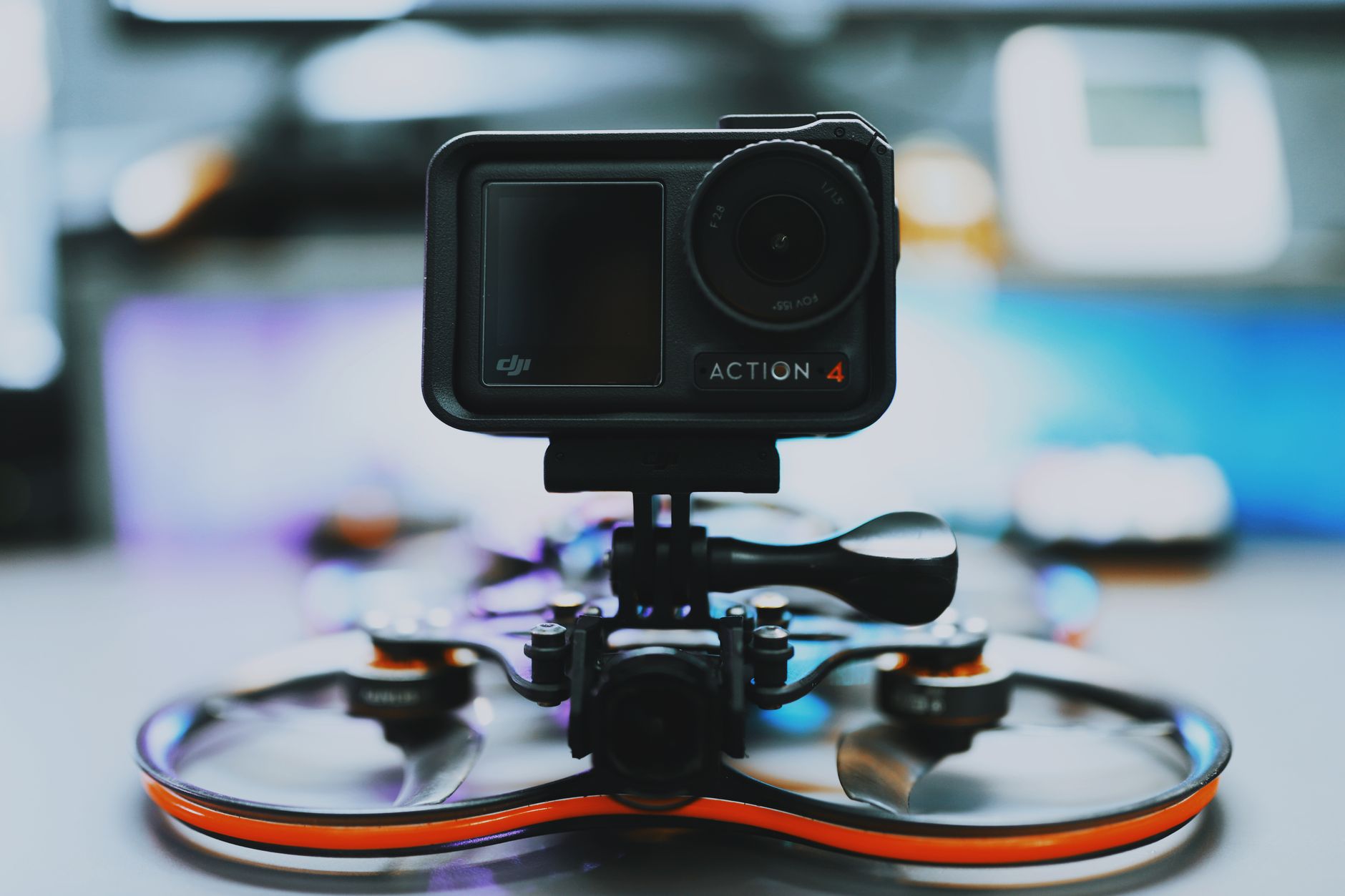
Which camera specifications actually matter
Not all dashcam footage is equal, and I’ve seen people submit recordings so dark and blurry they were practically useless. There are a few specs worth paying attention to.
Resolution. 1080p is the baseline. Insurers can work with it, but 1440p or 2K is noticeably better for reading number plates at speed and in lower light. If your camera is still outputting 720p, it’s worth upgrading before the footage fails you when it counts.
Frame rate. 30fps is adequate; 60fps makes fast-moving incidents much clearer and reduces motion blur. On a dual carriageway or motorway, the difference is significant.
Night vision and HDR. A huge proportion of accidents happen in low light, early mornings, and poor weather. A camera without a decent sensor will produce footage that shows nothing but headlights and darkness. Cameras with Sony STARVIS sensors or similar low-light technology are far more useful in these conditions.
GPS logging. This one surprises people. GPS-enabled cameras embed speed and location data directly into the footage file, which can be used to corroborate your account of what happened. If you were doing 32mph in a 30 zone at the moment of impact, that will show. If you were doing exactly 30, it works in your favour. Insurers increasingly look for this metadata.
Wide angle lens. A 140-degree field of view covers most of what happens in front of you. Anything narrower risks missing the key moment if it happens to the side. Rear-facing cameras matter too, especially for rear-end shunts where the other driver claims you reversed into them.
File formats: what to submit and how
Most dashcams record in MP4 or MOV format, and both are widely accepted. The issues usually come from how people transfer the footage. Copying to a USB stick or memory card is fine; sending a compressed file via WhatsApp is not. WhatsApp strips metadata from video, which can remove timestamps and GPS information. Use the original file, ideally uploaded directly to your insurer’s secure portal or sent as an email attachment if the file size allows.
Some insurers have their own apps now, and a handful, including Black Box Insurance providers, have integration that pulls footage directly. If your camera uses proprietary software (Nextbase, Viofo, and Garmin all have their own apps), check whether the app allows export of the raw file rather than a viewer-only version.
The timestamp is critical. If your camera’s clock wasn’t set correctly and shows a time that doesn’t match the incident, that can be used against you. It doesn’t invalidate the footage entirely, but it gives the other side something to argue with. Check your camera’s time settings, particularly after British Summer Time changes.
Does having a dashcam actually speed up the claim?
In clear-cut cases, absolutely. A single-view recording that unambiguously shows fault can collapse a disputed claim from months into days. I’ve spoken to claims handlers who say liability is sometimes agreed within 24 hours when good quality footage is submitted promptly. The key word there is promptly. Don’t sit on the footage for a week before calling your insurer.
Where it gets murkier is in complex incidents involving multiple vehicles, junctions with poor camera angles, or incidents where the footage shows something ambiguous. In those situations, the camera helps but doesn’t end the conversation. The footage becomes one piece of evidence among several, alongside witness statements, road markings, and vehicle damage patterns.
The Association of British Insurers has acknowledged that dashcam evidence is increasingly influential in claims decisions, noting a clear trend towards faster resolution when footage is available and of sufficient quality. That’s a meaningful endorsement from the industry body that sets much of the guidance insurers follow.
One thing worth knowing: if the other driver also has a dashcam, their insurer can request it too. That cuts both ways. If you were at fault and know it, footage from both sides will usually make that clear. The days of speculative 50/50 claims are genuinely becoming less common as camera adoption rises.
Practical steps to make your footage count
Get into the habit of checking your camera is recording every time you start the car. I do it every morning, same as checking mirrors. Cameras fail, memory cards fill up or corrupt, mounts come loose in heat. A camera that isn’t recording is worse than no camera because you might assume you’re covered when you’re not.
Back up footage after any incident immediately. Most cameras loop-record and will overwrite old footage within hours on a full card. Pull the card or connect via USB as soon as you’re safely parked up.
Keep a secondary copy. Copy the file to a laptop or cloud storage before you do anything else. That’s your insurance against a faulty card read or an insurer’s portal going wrong.
If you’re buying a used car and want to factor dashcam evidence into your broader protection strategy, it fits alongside other practical checks. For instance, understanding what a full service history actually adds to a used car’s value is part of the same due diligence mindset, knowing what documentation protects you and when. Similarly, if you’re running a car with modifications, be aware that changes to your vehicle can affect how insurers view your claim, much like the considerations around your right to repair at independent garages and how that interacts with warranty and insurance terms.
And if you’re towing anything, a rear-facing dashcam becomes even more valuable. The rules around towbar fitting and type approval are complex enough without adding a disputed incident to the mix.
Bottom line: a dashcam is one of the best-value purchases you can make for a car. But only if it’s the right spec, recording correctly, and you know how to submit the footage when you need to. Get those three things right and it will earn its keep.