Author: Alex Mason

  • How the DVLA’s Personalised Number Plate Auctions Work and Whether They’re Ever a Smart Buy

    How the DVLA’s Personalised Number Plate Auctions Work and Whether They’re Ever a Smart Buy

    Private number plates have always attracted a certain kind of enthusiast. Part collector’s obsession, part vanity project, part genuine investment for some. The DVLA number plate auction UK market is bigger than most people realise, and it throws up some genuinely extraordinary results alongside plenty of expensive mistakes. If you’re thinking about dipping in, it’s worth understanding exactly how the whole system operates before you register a paddle number.

    The headline figures are hard to ignore. Plates like “25 O” and “F1” have sold for over a million pounds. Most go for a few hundred. The gap between those two extremes is where most of the confusion and bad decisions live.

    Bidders inside a UK car auction hall during a DVLA number plate auction UK sale

    How the DVLA Runs Its Own Auctions

    The DVLA has been selling personalised registrations directly since 1989, and it runs several auctions throughout the year via its Select Personalised Registrations service. These aren’t dusty government surplus events. They’re slick, well-attended sales, increasingly run online via the official DVLA auctions site, with some still held as live events through appointed auctioneers like BCA (British Car Auctions).

    The process is straightforward in theory. The DVLA releases batches of registrations it considers have commercial appeal, sets a reserve price, and opens bidding. You register to bid, place your bids either live or as a maximum pre-bid, and if you win, you pay. The plate is then assigned to a vehicle of your choosing or held on a certificate for later use. Buyer’s premium applies on top of the hammer price, typically around 5%, so factor that in before you get carried away in the moment.

    Importantly, the DVLA also runs a fixed-price online shop alongside the auctions. Not everything goes under the hammer. Plenty of registrations are available at set prices, which can actually be better value than auction if the format you want isn’t particularly rare. Worth checking both channels before assuming the auction is the only route.

    Which Plate Formats Command Serious Money

    Short is expensive. That’s the simplest rule. A single digit, single letter plate like “1 A” or “A 1” is worth more than a seven-character current-style plate every single time. The fewer characters, the more prestige, and prestige is what this market runs on.

    Dateless plates, those without a year identifier, are consistently the most sought-after because they don’t age your vehicle. Slap a dateless plate on a 2005 Mondeo and nobody can tell the car’s year from the registration. That flexibility has real monetary value.

    The other big movers are initials and names. “JOE 1” or “SAR 4H” type plates attract a specific buyer willing to pay a premium for something genuinely personal. Plates that spell obvious words, particularly short ones, also generate strong bidding. “BUS 1” sold for over £6,500. “MR 2” has come up multiple times at strong prices. Anything that reads cleanly as a word or common abbreviation will attract interest.

    Current-format plates from the new 2000s-onwards system (like AB26 XYZ style) rarely fetch serious money unless the letter and number combination spells something compelling. They’re the bread and butter of the fixed-price shop rather than the headline auction lots.

    The Secondary Market: Where Most Buyers Actually Shop

    The majority of private plate purchases in the UK happen not through the DVLA directly but through private dealers and resellers. Sites like Regtransfers, Plate Master, and CarReg hold enormous inventories of plates that previous owners have listed for sale. The markup on some of these compared to what they’d fetch at a DVLA number plate auction UK is considerable.

    This is where pitfalls stack up fast. A few to watch for:

    • Retention certificate expiry. Plates held on certificates rather than assigned to a vehicle have an expiry date. If a seller hasn’t renewed theirs, that plate might already be back in the DVLA pool. Always verify the certificate is current before you hand over a penny.
    • The assignment process and timings. Transferring a plate to your vehicle requires V5C documentation and DVLA processing. Don’t assume you can drive away with your new registration the same day you buy it. It can take several weeks.
    • Age restrictions. A plate cannot make a vehicle appear newer than it is. You can put a 1994 dateless plate on a 2026 car, but you cannot put a 2026-year-identifier plate on a 1994 car. Sellers don’t always flag this clearly.
    • Overvaluation. The secondary market is full of plates listed at wildly optimistic prices that have sat unsold for years. Just because a dealer has priced “BOB 123” at £4,500 doesn’t mean it’s worth that. Check recent auction results for similar formats to calibrate what anything is genuinely worth.

    The DVLA publishes guidance on buying and transferring personalised registrations, and it’s worth reading before you commit. You can find it directly on gov.uk. Dry reading, yes. Useful, absolutely.

    Is Buying at a DVLA Auction Actually Worth It?

    Compared to the secondary market, going direct through a DVLA number plate auction UK sale can offer better value, particularly for less common formats that haven’t yet been snapped up by dealers to mark up and resell. You’re cutting out the middleman. The reserve prices set by the DVLA tend to be reasonable for most lots, and plenty of plates go for only slightly above reserve.

    The risk is getting caught up in bidding wars. Auction rooms, even virtual ones, generate competitive pressure. Set your maximum before you start and stick to it like your life depends on it. I’ve seen blokes at BCA live events get swept up and pay double what they’d budgeted because someone else kept nudging the price. It happens constantly.

    For the rarer, genuinely desirable formats, particularly anything dateless and below five characters, there’s a credible argument that values have held or grown over decades. They’re a finite resource. The DVLA can’t manufacture more “B 1” plates. But treating a number plate purely as an investment is speculative at best. If you love the plate and want it on your car, great. If you’re expecting a guaranteed return, the evidence is much patchier than dealers would have you believe.

    Practical Tips Before You Bid

    Register early. DVLA auctions require pre-registration and identity verification. Don’t leave it until the day before the sale and discover you can’t access the bidding platform. Similarly, check the specific lot conditions for each plate, including what vehicle it can be assigned to and whether a retention certificate is being offered or direct transfer only.

    Research comparable sales. The DVLA publishes historical auction results, and third-party sites track secondary market prices. Spend an hour looking at what similar formats have achieved before you decide your maximum. It’ll save you looking sheepish when you’ve paid £800 for something that regularly goes for £300.

    Finally, if the plate you want isn’t in the current auction batch, don’t panic-bid on something similar. The DVLA runs multiple auctions per year, and the fixed-price shop is always open. Patience wins more often than impulse in this market.

  • Company Car Tax in the UK: How Benefit-in-Kind Rates Are Changing in 2026 and What It Means for You

    Company Car Tax in the UK: How Benefit-in-Kind Rates Are Changing in 2026 and What It Means for You

    Company car tax has always been one of those topics that makes people’s eyes glaze over at the mention of it, but right now, if you’re a fleet manager or an employee with a car on your payslip, this genuinely matters. The BIK (Benefit-in-Kind) landscape is shifting again in 2026, and the direction of travel has serious implications for what you should be driving and what your employer should be ordering.

    The headline is this: the incredibly low BIK rates that made electric vehicles an almost unfair bargain for company car drivers are starting to climb. They’re still competitive, but the days of 2% BIK on a Tesla Model 3 or a Kia EV6 are behind us. Here’s the full picture, including what’s changed, what’s coming, and how different powertrains stack up.

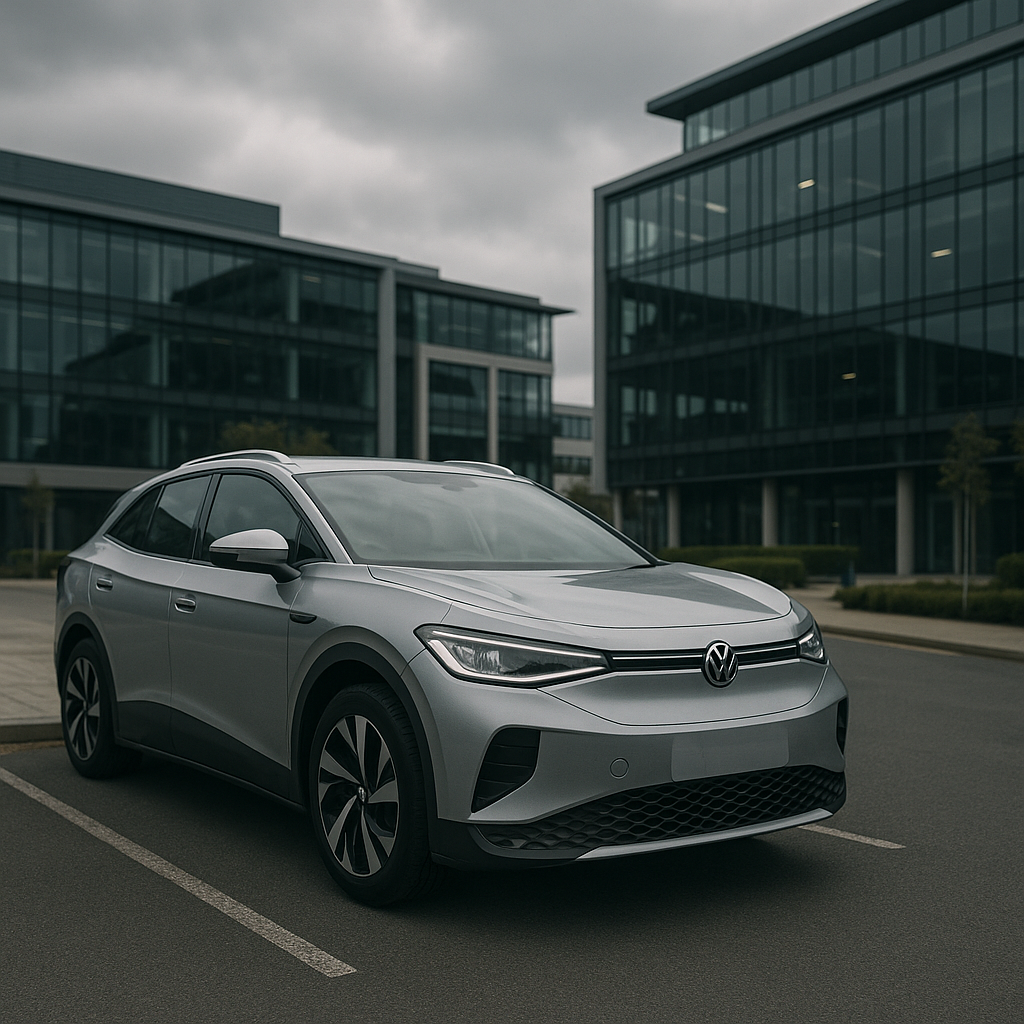
    Electric company car parked at a UK business park, relevant to company car tax UK 2026 BIK changes

    What Is Benefit-in-Kind Tax on a Company Car?

    If your employer provides you with a company car that you can use for personal journeys, HMRC treats that as a taxable benefit. The value of that benefit is calculated as a percentage of the car’s P11D value (roughly the list price including options, VAT, and delivery, but excluding the first-year registration fee). That percentage is the BIK rate, and it’s tied primarily to the car’s CO2 emissions.

    Multiply the P11D value by the BIK percentage, and you get the taxable benefit amount. Your income tax band then determines what you actually pay. A 20% taxpayer on a £40,000 car with a 20% BIK rate pays £1,600 per year. A 40% taxpayer on the same car pays £3,200. Simple arithmetic, but the percentage rates themselves are where all the action is.

    Company Car Tax UK 2026: The Updated BIK Rates

    HMRC publishes updated tables covering current and future BIK rates, and the trajectory mapped out for the rest of this decade is clear. For the 2025/26 tax year, pure battery electric vehicles (BEVs) sit at a 3% BIK rate. In 2026/27, that rises to 4%. By 2027/28, it’s 5%, and by 2028/29, it reaches 7%. Still modest compared to petrol and diesel, but the days of sub-2% rates are gone.

    Plug-in hybrids (PHEVs) are a more complicated story. Their BIK rates depend on the electric-only range of the vehicle. A PHEV capable of 130 miles or more on electric power attracted a 5% rate for 2024/25, rising gradually each year. The catch is that most PHEVs on the market still sit in the 30-60 mile pure electric range bracket, which pushes them into higher BIK bands. A PHEV with 30-39 miles of range was already sitting at around 12% BIK for 2025/26, and that’s rising too.

    Conventional petrol and diesel cars are calculated on a sliding scale based on CO2 output. A petrol car emitting 100g/km of CO2 currently attracts a BIK rate of around 25%. Anything above 160g/km is heading into the 37% bracket, which is the ceiling. So the gap between a diesel SUV and an electric car in pure tax terms is still enormous, even with the EV rate creeping up.

    How Does This Play Out in Real Money?

    Let’s use a real-world comparison. Take a Volkswagen ID.4 Pro with a P11D value of roughly £46,000. At the 2026/27 BIK rate of 4%, the taxable benefit is £1,840. A basic-rate taxpayer pays £368 per year in tax on that benefit. A higher-rate taxpayer pays £736. Affordable, by any measure.

    Now compare that to a diesel BMW 3 Series Touring, also around £46,000 list, emitting around 130g/km. That puts it in roughly the 30% BIK bracket, creating a taxable benefit of £13,800. A higher-rate taxpayer takes a £5,520 annual hit. The gulf is still significant, even with EV rates nudging upward.

    For fleet managers, the maths isn’t just about what employees pay. Employers pay Class 1A National Insurance on the benefit value at 13.8% (rising to 15% from April 2025). That means a diesel company car with a high P11D and BIK rate also costs the business considerably more than an equivalent EV in the fleet. With employer NI rising, this calculation has only become more pressing.

    What Fleet Managers Should Be Thinking About Right Now

    Order lead times for electric vehicles from the major manufacturers can run anywhere from four to twelve months, which means decisions made in mid-2026 often don’t land until the 2027 tax year. The BIK rate lock-in that many drivers enjoyed when placing an order months ahead of delivery is something worth understanding with your company’s fleet provider or leasing company.

    There’s also the infrastructure question. HMRC allows employees to benefit from employer-funded workplace charging without it counting as an additional benefit-in-kind, and charging at home via a salary sacrifice or employer scheme can also be managed efficiently from a tax perspective. This is a real operational consideration when scaling up an EV fleet across sites, particularly outside major cities where public charging provision is patchier.

    Salary sacrifice schemes for EVs remain a highly attractive option in 2026. Because the BIK rate is low and the National Insurance savings can be shared between employer and employee, the effective monthly cost of running a new electric company car through salary sacrifice is often well below what the same person could achieve buying privately. The HMRC guidance on this is worth reading directly if you’re running a scheme or being offered one.

    Are Hybrids Still Worth It for Company Car Drivers?

    This is where I’d urge some genuine caution. Mild hybrids, which don’t plug in and deliver minimal fuel savings in real-world driving, are taxed essentially the same as petrol cars under BIK rules. There’s no meaningful tax break for a 48V mild hybrid system. If your company car choice comes down to a mild hybrid versus a full petrol, the tax position is almost identical.

    PHEVs are a different matter, but only if the driver actually charges them. There’s been plenty of data showing that company car PHEVs are often never plugged in, meaning drivers get worse real-world economy than a regular diesel while still paying the (lower) BIK rate. HMRC has flagged this inconsistency, and there are ongoing discussions in the industry about whether PHEV tax treatment should be reviewed more aggressively if actual charging behaviour doesn’t improve.

    Where to Check the Exact Figures

    The definitive source for BIK rates is HMRC’s own published tables. You can check the HMRC guidance on company car BIK appropriate percentages directly on gov.uk. The tables run through to 2027/28, giving fleet managers and employees enough runway to plan order cycles properly. Don’t rely on a leasing company’s summary sheet; always verify against the HMRC source, especially if you’re working across multiple tax years.

    The direction is set. Electric company car tax is rising, but remains a significant advantage over combustion engine alternatives for the foreseeable future. Anyone still running a diesel-heavy fleet needs to run the numbers properly, because the gap between what employees pay on an EV versus a traditional company car is still stark enough to influence recruitment, retention, and real-world fleet operating costs.

    Frequently Asked Questions

    What is the BIK rate for electric company cars in 2026?

    For the 2025/26 tax year, pure battery electric vehicles have a BIK rate of 3%, rising to 4% in 2026/27. This is still significantly lower than petrol or diesel equivalents, which can attract rates of 25-37% depending on CO2 output.

    How is company car tax calculated in the UK?

    HMRC multiplies the car’s P11D value (list price including VAT and options) by the relevant BIK percentage for that vehicle’s CO2 emissions. You then pay income tax on that benefit amount based on your personal tax band, either 20% or 40%.

    Is a hybrid company car taxed differently to a petrol one?

    Plug-in hybrids (PHEVs) get their own BIK rate based on their electric-only range, generally lower than pure petrol equivalents. Mild hybrids with no plug-in capability are taxed the same as petrol cars and receive no meaningful BIK reduction.

  • Synthetic vs Mineral Engine Oil: Which Should UK Drivers Actually Be Putting in Their Car?

    Synthetic vs Mineral Engine Oil: Which Should UK Drivers Actually Be Putting in Their Car?

    Walk into any motor factors or Halfords and you’ll be confronted by a wall of oil bottles, each one shouting something different at you. “Full synthetic.” “Semi-synthetic.” “Mineral.” “0W-40.” “10W-40.” Manufacturer-approved this, low-SAPS that. If you’re not a professional mechanic, it’s easy to just grab whatever’s cheapest and hope for the best. Don’t. The oil in your engine is doing more work than most drivers realise, and making the wrong call can cost you significantly more than the few quid you saved at the till.

    The debate around synthetic vs mineral engine oil in the UK isn’t just marketing waffle, either. The British climate and driving patterns genuinely do introduce variables that change the equation compared to, say, driving in Southern Europe. So let’s strip this back properly.

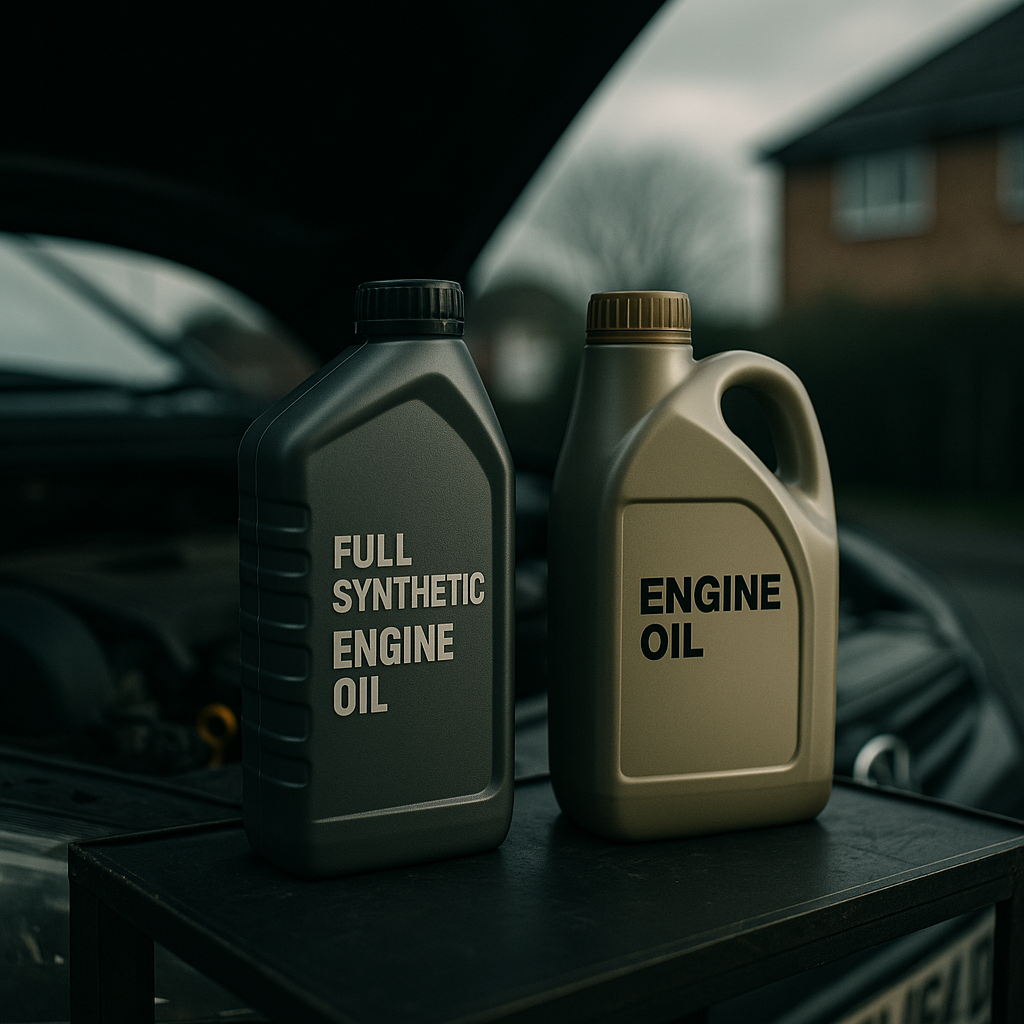
    Full synthetic and mineral engine oil bottles compared on a UK garage workbench, illustrating the synthetic vs mineral engine oil UK debate
    Full synthetic and mineral engine oil bottles compared on a UK garage workbench, illustrating the synthetic vs mineral engine oil UK debate

    What Actually Is the Difference Between Synthetic and Mineral Oil?

    Mineral oil is derived directly from crude oil that’s been refined. It’s been the engine lubricant of choice for most of motoring history and it does the job, but it has limitations. The base molecules aren’t uniform in size, which means performance degrades more quickly under heat and cold stress. It needs changing more frequently, typically every 6,000 to 8,000 miles depending on the engine.

    Synthetic oil, whether fully synthetic or semi-synthetic, is engineered rather than simply extracted and refined. Full synthetics are built molecule by molecule (often from a chemical base like PAO, or polyalphaolefin), giving them far greater consistency, a much wider temperature operating range, and better resistance to oxidation and breakdown. Semi-synthetic is exactly what it sounds like: a blend of synthetic base stock and mineral oil, sitting between the two in terms of performance and cost.

    The practical upshots: synthetic lasts longer, flows better in cold starts, and keeps working at higher engine temperatures. Mineral oil is cheaper upfront but degrades faster. Semi-synthetic sits in the middle on all counts. None of that is controversial. Where it gets more nuanced is deciding which one your car actually needs.

    Viscosity Grades Explained: What Those Numbers Actually Mean

    The numbers on the bottle, like 5W-30 or 10W-40, are viscosity grades set by the Society of Automotive Engineers (SAE). The “W” stands for winter, not weight, and the number before it indicates how the oil flows at low temperature. The number after describes viscosity at operating temperature, typically 100°C.

    Lower W numbers flow more freely when cold. A 0W-30 will reach critical engine components faster during a cold start in January than a 15W-40 will. This matters enormously in the UK, where we get genuine cold snaps and a lot of short-distance urban driving where the engine never fully warms up. Cold-start wear accounts for a disproportionate amount of total engine wear across a car’s lifetime.

    Higher viscosity at operating temp (the second number) gives you a thicker film of protection when things get hot, which suits high-performance or heavily loaded engines. For the majority of modern petrol and diesel cars on British roads, a 5W-30 full synthetic is broadly appropriate, but you need to check your specific vehicle’s handbook rather than assume.

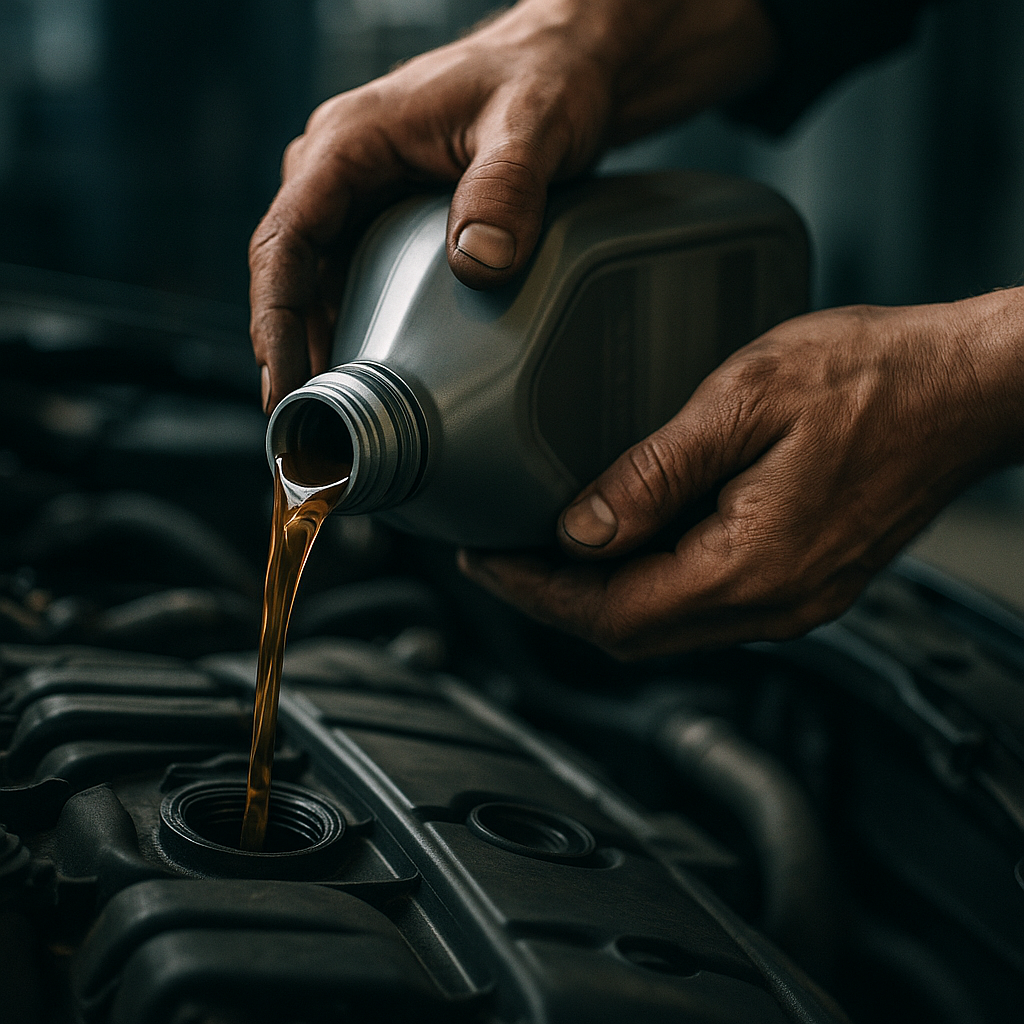
    Mechanic pouring synthetic engine oil into a car engine, showing viscosity grade selection relevant to synthetic vs mineral engine oil UK choices
    Mechanic pouring synthetic engine oil into a car engine, showing viscosity grade selection relevant to synthetic vs mineral engine oil UK choices

    Why Manufacturer Approvals Aren’t Just Marketing

    This is the bit most people ignore, and it genuinely matters. Car manufacturers, particularly European ones, specify oils to tightly controlled standards. Volkswagen Group has its own approval system (VW 504.00, 507.00 and so on). BMW specifies LL-04 or LL-01 depending on the engine. Mercedes-Benz has its 229.5 and 229.51 specs. Renault, PSA, FIAT all have their own ratings on top of the standard ACEA classifications.

    These aren’t arbitrary marketing exercises. Modern engines, particularly those with diesel particulate filters (DPFs), are sensitive to sulphated ash, phosphorus, and sulphur content in the oil. An oil that’s high in these compounds (known as a high-SAPS oil) can poison your DPF over time, which is an expensive problem. Low-SAPS full synthetics exist specifically to address this. If you’ve got a diesel with a DPF, which is nearly every diesel sold in the UK since around 2009, you need to be paying attention to SAPS content, not just viscosity.

    The ACEA classifications on the bottle give you a starting point. C1, C2, C3, C4 designations all indicate low-SAPS formulations aimed at catalyst and DPF-equipped engines. A3/B4 and A5/B5 are common for petrol and diesel without those constraints. Cross-reference the ACEA code with whatever your handbook specifies, and you won’t go wrong.

    How the UK Climate Tilts the Choice

    Here’s where it gets genuinely interesting. The UK doesn’t get the prolonged deep freezes of Scandinavia or the baking summers of the Mediterranean. What we do get is relentless mild-cold, damp conditions, a lot of stop-start urban driving, and short runs that don’t give the engine time to reach optimal temperature. That combination is particularly brutal on mineral oil.

    When an engine doesn’t fully warm up, water vapour and fuel contaminate the oil more rapidly. Mineral oil, with its less stable molecular structure, degrades faster under these conditions. A full synthetic handles the thermal cycling better and maintains its viscosity characteristics longer. If you do a lot of short hops around town, school runs, commutes of under ten miles, a full synthetic isn’t just a nice upgrade. It’s arguably the sensible choice even for an older, lower-mileage car that the manufacturer might have originally spec’d for semi-synthetic.

    That said, very high-mileage older engines sometimes actually benefit from a slightly higher-viscosity semi-synthetic or even mineral oil. Worn tolerances can mean thinner synthetics allow too much seepage past seals. It’s one of those situations where the age and condition of the engine genuinely changes the answer. Worth bearing in mind if you’re running something with over 150,000 miles on the clock.

    The RAC has some solid guidance on oil grades and change intervals that’s worth bookmarking: RAC Engine Oil Advice.

    What Should You Actually Put in Your Car?

    Right. Cut-to-the-chase time. The answer for most drivers is: check the handbook first, full stop. The manufacturer’s oil specification is the only authoritative answer for your specific engine. Once you’ve established what grade and ACEA/manufacturer approval is required, then you can decide between brands and synthetic levels.

    For any modern car (roughly 2010 onwards) with a DPF or petrol particulate filter, you need a low-SAPS full synthetic meeting the relevant spec. That’s not a debate, that’s engineering. For older cars without those systems, a quality semi-synthetic often represents good value if the handbook permits it, though full synthetic will typically give you longer change intervals.

    Don’t chase the cheapest unbranded bottle on the shelf. Oil specification matters more than brand prestige, but do buy from a recognised manufacturer. Castrol, Mobil 1, Shell Helix, Fuchs, Total, Comma, all well-established names available across the UK. Pay attention to the approval codes, not just the big marketing claims on the front of the bottle. And change it at the intervals the manufacturer specifies. Synthetic or not, old oil is worse than the wrong-grade fresh oil.

    The synthetic vs mineral engine oil question in the UK ultimately comes down to three things: what your engine requires, what driving you actually do, and what condition the engine is in. Get those three factors right and the rest sorts itself out.

    Frequently Asked Questions

    Is full synthetic engine oil worth the extra cost for UK drivers?

    For most modern cars in the UK, yes. Full synthetic oil lasts longer, performs better in cold starts (which are common in British weather), and handles short urban journeys much better than mineral oil. The higher upfront cost is generally offset by longer change intervals and better engine protection over time.

    Can I switch from mineral to synthetic engine oil without problems?

    In most cases, yes, provided the new oil meets your car’s manufacturer specification. Modern synthetics are fully compatible with mineral oil residues. However, in very high-mileage engines with worn seals, switching to a thinner synthetic can occasionally cause minor seepage, so it’s worth seeking advice for vehicles over 150,000 miles.

    What does 5W-30 mean and is it right for my car?

    5W-30 means the oil flows like a 5-weight fluid in cold conditions and a 30-weight at operating temperature. It’s one of the most commonly specified grades for modern UK cars, but you should always confirm the exact grade in your vehicle’s handbook rather than assuming. Using the wrong viscosity can affect performance and fuel economy.

    Does my diesel car with a DPF need a special type of engine oil?

    Yes, absolutely. Diesel cars fitted with a diesel particulate filter (DPF) require a low-SAPS full synthetic oil, typically meeting an ACEA C-class rating (C2, C3, or C4). Using a high-SAPS oil in a DPF-equipped engine can damage or block the filter, which is a very expensive repair.

    How often should I change synthetic engine oil in the UK?

    Most modern cars running full synthetic oil have change intervals of 10,000 to 12,000 miles, or annually if you cover fewer miles, but always follow your manufacturer’s recommendation. UK drivers doing a lot of short, cold-start journeys may benefit from erring towards the shorter end of any specified interval range.

  • Why UK Petrol Prices Vary So Wildly Between Motorway Services and Supermarket Forecourts

    Why UK Petrol Prices Vary So Wildly Between Motorway Services and Supermarket Forecourts

    If you’ve ever pulled off the M6 at one of those gleaming service stations and nearly choked when you saw the price per litre on the forecourt totem, you already know the problem. UK petrol prices don’t follow any logic that most drivers can immediately make sense of. One minute you’re filling up at a Tesco Extra for 138p per litre, the next you’re at Moto Hilton Park paying 162p for the exact same fuel. Same country, same week, sometimes the same crude oil sitting in different tanks down the road from each other. So what’s actually going on?

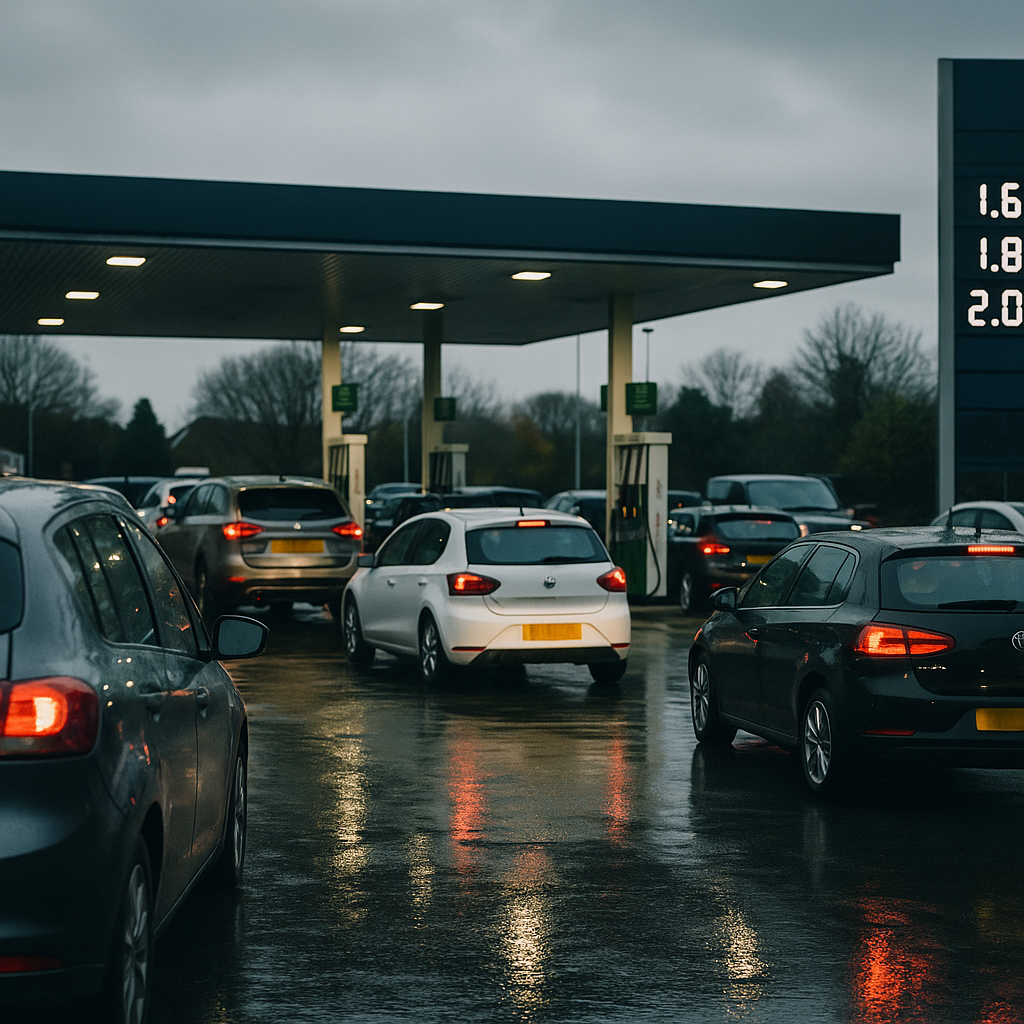
    Busy supermarket petrol forecourt showing UK petrol prices on a totem sign with cars queuing at pumps
    Busy supermarket petrol forecourt showing UK petrol prices on a totem sign with cars queuing at pumps

    How UK Fuel Pricing Actually Works

    Let’s start at the beginning. The price you see on that big sign isn’t just the cost of the petrol. It’s a stack of costs layered on top of each other. Around 45–50% of what you pay at the pump goes straight to the government as fuel duty (currently frozen at 52.95p per litre for unleaded since 2011, though there’s been political noise about future changes) plus 20% VAT on top of everything. The RAC’s fuel watch data consistently shows that roughly 80–85p of every litre you buy never touches the forecourt operator at all.

    What’s left after duty and VAT is the wholesale cost of the fuel plus the retailer’s margin. And that margin is where things get interesting. The wholesale price is set by international oil markets, largely tied to the Brent Crude benchmark. UK refiners and distributors buy from that market, process or import the fuel, and sell it on to forecourt operators. So the raw ingredient is broadly the same price for everyone. The difference in what you pay at the pump comes down almost entirely to who’s selling it and why they’ve priced it the way they have.

    For a clear breakdown of how fuel duty and VAT combine to shape the pump price, the gov.uk fuel duty guidance is worth bookmarking. It spells out exactly where the government’s cut sits in the pricing chain.

    Why Motorway Services Charge So Much More

    The honest answer? Because they can. Motorway service areas operate under a specific kind of captive audience economics. You’re on the motorway, your tank is low, and the next services might be 15 or 20 miles away. Operators like Moto, Welcome Break, and Roadchef know this. They don’t need to compete with the Asda down the road because the Asda down the road isn’t accessible from the motorway without leaving the carriageway entirely.

    The margin on fuel at motorway services can be anywhere from 12p to 20p per litre higher than a nearby supermarket forecourt. That’s not a rounding error. On a 55-litre fill, you’re looking at a difference of £6.60 to £11 every single time you pull in. Across a year of motorway driving, that adds up fast.

    Motorway operators also carry higher overheads: 24-hour staffing, premium land leases, facilities maintenance. Some of that cost does genuinely flow into the fuel price. But plenty of it is simply margin extraction from a market where competition is structurally absent.

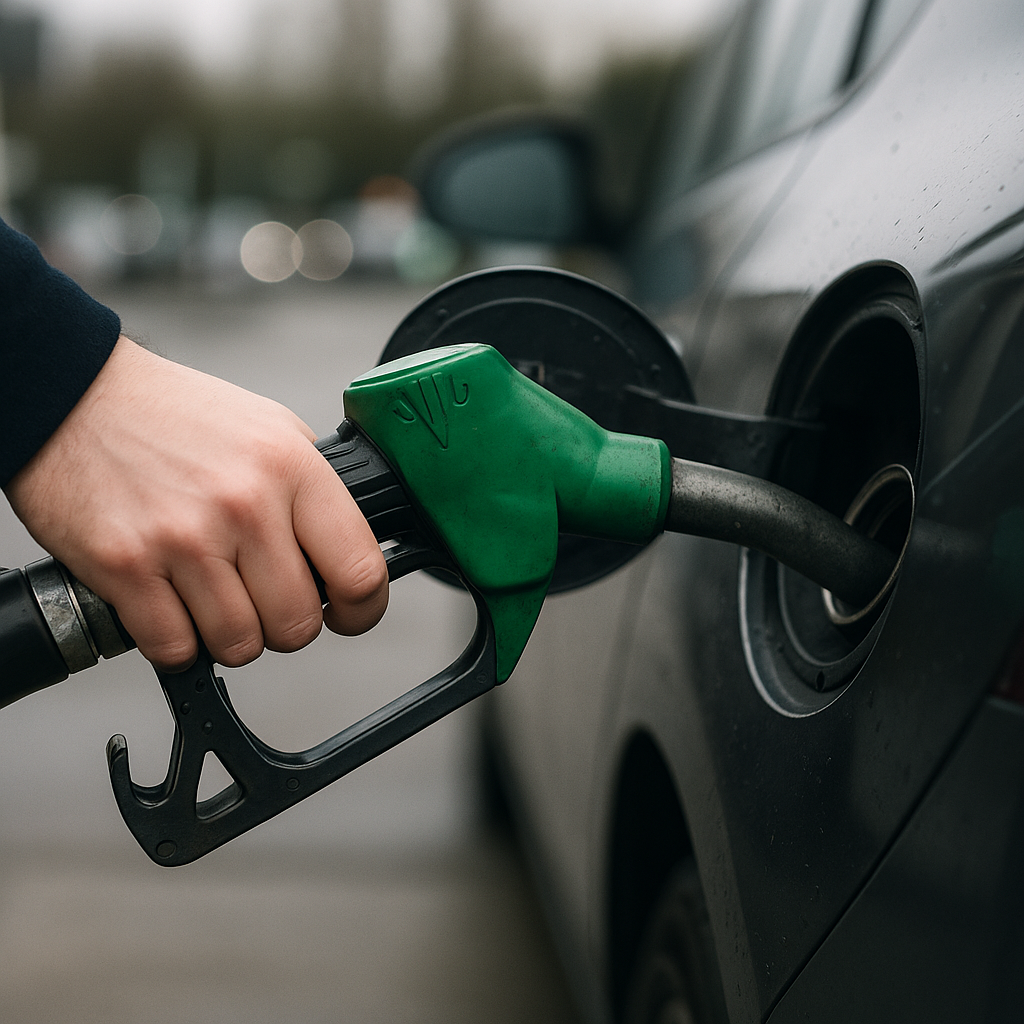
    Close-up of a petrol pump nozzle at a UK forecourt illustrating the reality of UK petrol prices at the pump
    Close-up of a petrol pump nozzle at a UK forecourt illustrating the reality of UK petrol prices at the pump

    Supermarket Forecourts: The Consistently Cheapest Option

    Supermarket forecourts have been the consistent winner on price for years now, and 2026 is no different. Tesco, Asda, Sainsbury’s and Morrisons all use fuel as a footfall driver. They’re willing to run their fuel margins tight, sometimes near zero, because getting you into the car park means you’re likely to come in and spend on the weekly shop. Fuel is a loss leader, or close to it. The RAC’s data regularly shows supermarket unleaded running 5–8p per litre cheaper than branded independents and 12–18p cheaper than motorway services.

    It’s worth noting that supermarket fuel isn’t inferior. UK fuel standards are regulated, and every forecourt selling road fuel must meet the same EN228 specification for petrol and EN590 for diesel. The main thing you’re giving up at Asda versus Shell is the premium additive package that branded fuels include, which can marginally benefit high-mileage engines over time. For most everyday driving, though, the spec fuel at Tesco is absolutely fine.

    Branded Forecourts vs Independents: Where Does the Middle Ground Sit?

    Between motorway services at the expensive end and supermarkets at the cheap end, you’ve got two other types of forecourt: branded (BP, Shell, Esso, Texaco) and independent operators.

    Branded forecourts typically price 4–10p per litre above supermarkets. They carry the cost of brand licensing, quality guarantees, and often loyalty schemes like BP’s BPme rewards. Their proprietary additive packages (V-Power, Ultimate, etc.) are genuinely different products, not marketing fluff, though whether your 1.2-litre city car benefits from them is debatable.

    Independent forecourts are the wildcards. Some price aggressively to take on the supermarkets. Others sit lazily close to branded pricing without the brand behind them. It really depends on the owner, the local competition, and how tightly they’re managing their wholesale contract. In rural areas where competition is thin, independents can charge whatever the market will bear. In suburban areas with a Tesco a mile away, they have to be sharper.

    Regional Variation: It’s Not Even in London vs The North

    UK petrol prices also vary by region in ways that can catch drivers out. London and the South East often have lower pump prices than you’d expect because of the density of competition. The North West, Scotland, and rural Wales tend to see higher prices because distribution costs are greater and competition is thinner. Northern Ireland has historically had different pricing dynamics due to its proximity to the Republic, where fuel duty is lower, though post-2025 border trade considerations have complicated that picture.

    The AA and RAC both publish regional fuel price data. It’s genuinely useful if you’re planning a longer run and want to know where to top up.

    Practical Tips: Getting the Best Value at the Pump in 2026

    Right, the gearhead practical bit. Here’s how to consistently avoid getting stung on UK petrol prices:

    • Fill up at supermarket forecourts wherever possible. Plan routes that take you past a Tesco, Asda, or Morrisons rather than relying on motorway services.
    • Use apps like Petrol Prices or Waze’s fuel finder to check live prices within a few miles of your route before you leave. The price difference between two stations three miles apart can be 8–10p per litre.
    • Avoid topping up on motorways unless you’re genuinely running low. Always start a long motorway run with a full tank from a cheap source.
    • Look at loyalty schemes. If you regularly use a branded forecourt, schemes like Nectar points via Esso or BPme rewards do offset some of the premium.
    • Know your car’s needs. Higher-performance engines with higher compression ratios do genuinely benefit from premium fuels. If you’re tracking down specs for a specific model, resources like Honda Car Data can give you the exact fuel grade a particular Honda engine requires so you’re not over-speccing unnecessarily.

    The spread between the cheapest and most expensive UK petrol prices at any given moment can easily be 20–25p per litre. On a full tank, that’s a meaningful sum. It’s the kind of saving that, over a year, could cover a service, a set of wiper blades, or a decent set of tyres. The infrastructure of UK fuel pricing is complicated, but the consumer response to it can be pretty simple: plan ahead, avoid motorways, and let the supermarkets compete for your custom.

    Frequently Asked Questions

    Why is petrol so much more expensive at motorway services than supermarkets?

    Motorway service operators face little direct competition because drivers on the motorway can’t easily access alternative forecourts. This captive audience allows them to charge margins 12–20p per litre higher than supermarket forecourts, combined with higher operating costs like 24-hour staffing and premium land leases.

    Is supermarket petrol the same quality as branded fuel like Shell V-Power?

    Standard supermarket unleaded meets the same EN228 specification as standard branded fuel, so it’s perfectly safe and legal for any road car. Branded premium fuels like Shell V-Power or BP Ultimate contain additional additive packages that can benefit high-performance or high-mileage engines, but for ordinary everyday driving the difference is minimal.

    How much of the UK petrol pump price goes to the government?

    Currently around 80–85p of every litre you buy goes to the government via fuel duty (52.95p per litre) and 20% VAT applied to the total including duty. The remaining amount covers the wholesale fuel cost and the retailer’s margin.

    Which UK regions have the cheapest petrol prices?

    Urban areas with high forecourt density, particularly parts of the South East and major cities in the Midlands, tend to have more competitive pricing due to proximity of rivals. Rural areas in Scotland, Wales, and Northern England typically see higher prices because of greater distribution costs and less local competition.

    What's the best app for finding cheap petrol near me in the UK?

    Petrol Prices (petrolprices.com) and Waze both offer live fuel price comparisons based on your location in the UK. The RAC and AA also publish regional fuel price data and trackers. Using any of these before a longer journey can save you a meaningful amount, especially if you’re identifying a supermarket forecourt near your route.

  • The Ultimate Guide to the Safest Cars in the World

    The Ultimate Guide to the Safest Cars in the World

    Why Safety Ratings Actually Matter to Real Drivers

    We spend a lot of time arguing about horsepower figures, 0-60 times, and whether a particular turbo setup sounds better than a naturally aspirated alternative. Fair enough. But safety? That’s the conversation that actually keeps you on the road rather than off it. The safest cars available right now are genuinely extraordinary pieces of engineering, and if you haven’t looked at the latest Euro NCAP results recently, you’re in for a surprise. The gap between a five-star car and a three-star car isn’t a minor tweak anymore. It’s the difference between walking away and not walking away.

    One of the safest cars on UK roads driving on a wet dual carriageway at dusk
    One of the safest cars on UK roads driving on a wet dual carriageway at dusk

    Euro NCAP is the benchmark here in the UK and across Europe. It’s the organisation that physically crashes cars into barriers, poles, and pedestrian dummies so you don’t have to find out the hard way. You can check their full results database at Euro NCAP’s official site, it’s properly useful for comparing models before you commit to anything. Their scoring covers adult occupant protection, child occupant protection, vulnerable road users, and safety assist systems. Nail all four categories and you’re into five-star territory.

    The Top Performers You Should Know About

    Right. Let’s get into the actual metal. A handful of cars have consistently stood out in recent testing cycles, and if you’re shopping for something that’ll genuinely look after you, these are worth putting on the shortlist.

    Volvo EX90

    Volvo have been banging the safety drum since before most of us were born, and the EX90 continues that tradition with some serious results to back it up. The car scored an outstanding adult occupant protection figure, and its LiDAR-based driver assistance system represents a genuine step forward. It detects objects at range and reacts before most human drivers even register there’s a problem. It’s a big SUV, yes, but it’s one of the safest cars you can actually buy in 2026.

    Tesla Model Y

    Say what you like about the brand, the Model Y’s structural integrity and automated emergency braking performance have consistently impressed the testers. The low centre of gravity from its battery pack helps prevent rollovers, and the over-the-air software updates mean safety systems improve after you’ve bought it. That’s still a relatively novel concept in the automotive world.

    Subaru Forester

    Often overlooked in favour of flashier options, the Forester deserves serious respect for its EyeSight driver assistance suite. Subaru’s stereoscopic camera system is one of the most refined on the market, and it’s been reducing real-world accident rates in the brand’s fleet data for years. For family buyers who want genuine peace of mind without spending supercar money, this is worth a proper look.

    BMW iX

    BMW’s flagship electric SUV scored brilliantly across all Euro NCAP categories. The structure is rigid, the airbag coverage is comprehensive, and the active safety systems respond quickly. It’s also comfortable and desirable, which matters because people actually spec and buy it rather than optioning it away to save a few quid.

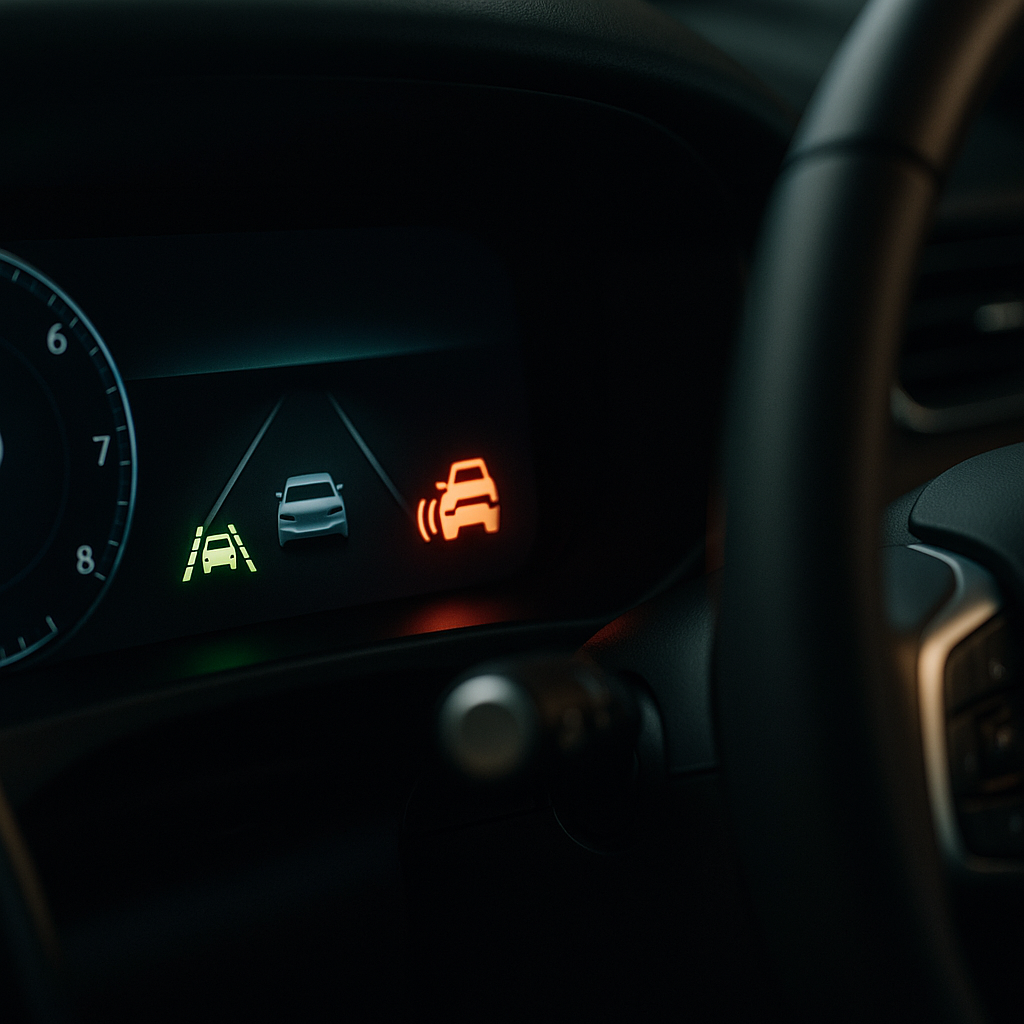
    Dashboard safety assist display in one of the safest cars available in 2026
    Dashboard safety assist display in one of the safest cars available in 2026

    What Makes a Car Safe? The Tech Behind the Ratings

    Five-star ratings don’t come from wishful thinking. There’s a specific suite of technology that the safest cars share, and it’s worth understanding what you’re actually getting when the brochure lists these features.

    Autonomous Emergency Braking (AEB)

    This is arguably the single most important active safety system fitted to modern cars. AEB detects an imminent collision and applies the brakes automatically if the driver doesn’t react in time. It works for pedestrians, cyclists, and other vehicles. Euro NCAP’s data consistently shows it reduces rear-end collisions significantly. If a car you’re looking at doesn’t have it fitted as standard, that’s a red flag.

    Lane-Keep Assist and Blind Spot Monitoring

    Lane-keep assist prevents the kind of slow drift onto motorways or into oncoming traffic that causes some of Britain’s most devastating crashes. Blind spot monitoring watches the areas your mirrors can’t reach, particularly useful on our motorway network where lane-changing at speed is a constant hazard. Both systems have moved from optional extras to standard fit on most well-rated cars.

    Structural Integrity and Crumple Zones

    The passive side of safety still matters enormously. Modern high-strength steel and aluminium construction creates a safety cell around occupants that absorbs and redirects crash energy away from the cabin. Cheap or poorly engineered cars can feel solid but deform catastrophically in testing. This is exactly why Euro NCAP’s physical crash tests remain the gold standard, not just a software audit.

    Night Vision and Pedestrian Detection

    Higher-end models from Mercedes-Benz, BMW, and Volvo now include infrared cameras that highlight pedestrians and large animals in darkness before your headlights can reach them. It sounds like science fiction. It isn’t. On rural roads at night, particularly in autumn and winter when deer are active, this technology saves lives.

    Are Smaller Cars Inherently Less Safe?

    This is a common assumption, and it’s worth challenging. A small car with a five-star Euro NCAP rating is safer than a large car with a three-star rating. Full stop. The rating reflects how well the car protects you relative to its size class and the forces involved in realistic collisions. That said, physics does play a role when two very different-sized vehicles collide. A Hyundai i20 and a Land Rover Defender meeting each other at speed will produce different outcomes for each driver regardless of ratings. It’s not a reason to dismiss smaller cars, but it’s a factor worth acknowledging honestly.

    The City Car and Supermini segments have genuinely improved in recent years. The Volkswagen Polo, Renault Clio, and Peugeot 208 have all achieved creditable Euro NCAP scores. If you’re budget-conscious, these represent solid value. Where you genuinely need to be cautious is with older, pre-regulation cars or grey market imports that haven’t been tested under current protocols.

    Used Car Safety: What to Check Before You Buy

    Not everyone is buying new, obviously. Most of us are scrolling AutoTrader at midnight looking at cars we can actually afford. The good news is that Euro NCAP’s database goes back years, so you can look up a used car’s original rating before parting with your cash. A 2022-registered car that scored five stars is still a five-star car in terms of its structure and passive safety. The active systems might not have the latest software, but the bones are sound.

    What you should specifically check on any used purchase is whether the safety systems are functioning correctly. A previous owner who had an AEB sensor repaired poorly, or a car that’s taken a minor front-end knock and had radar sensors misaligned, can render those systems useless. Always test them on a safe stretch of empty road, or get an independent inspection done by a qualified mechanic before committing.

    The Bottom Line on Buying for Safety

    Safety and excitement aren’t mutually exclusive. Some of the safest cars on sale right now are also genuinely impressive to drive. The Volvo EX90 is rapid. The BMW iX handles with real confidence. Tesla’s performance variants are absurdly quick. You don’t have to choose between something that thrills you and something that’ll look after you when it counts.

    What you should do is treat the Euro NCAP rating as a non-negotiable starting point, not an afterthought. Look for AEB as standard. Check that the car has been tested under the current testing cycle, not one from a decade ago. And if you’re buying used, take the time to verify that the safety systems are actually working. Ticking a box on a checklist isn’t the same as actually being protected.

    Frequently Asked Questions

    Which cars have the highest Euro NCAP safety rating in 2026?

    Several models have achieved outstanding five-star Euro NCAP results in recent testing cycles, including the Volvo EX90, BMW iX, and Tesla Model Y. Euro NCAP’s official website publishes the full results database so you can compare any model directly before buying.

    Are electric cars generally safer than petrol or diesel cars?

    Many electric vehicles perform very well in safety testing, partly because their battery pack positioning lowers the centre of gravity and reduces rollover risk, and partly because manufacturers have invested heavily in advanced driver assistance systems. That said, there are petrol and diesel models that score equally well, so it’s the individual car’s rating that matters, not the powertrain alone.

    How do I check the safety rating of a used car I'm thinking of buying?

    Visit the Euro NCAP website and search by model name and year of manufacture. The results show scores across adult occupant protection, child protection, vulnerable road users, and safety assist systems. Most cars tested since 2010 will have a result in the database.

    Does a five-star Euro NCAP rating mean the car is completely safe in any crash?

    No rating guarantees complete protection in every possible collision, but a five-star Euro NCAP result does mean the car performed exceptionally across a wide range of standardised crash scenarios. It’s the most reliable benchmark available to UK buyers for comparing models.

    Is autonomous emergency braking (AEB) fitted to all new cars sold in the UK?

    Since July 2024, AEB has been mandatory on all new car types approved for sale in the UK and EU under updated General Safety Regulation requirements. If you’re buying a brand-new car from a legitimate UK dealer, AEB should be fitted as standard equipment.