Author: Ethan Miller

  • How Tyre Age Affects Safety: Why UK Drivers Should Check the DOT Code Before Their Next Long Journey

    Most drivers kick the tyres, glance at the tread depth, and call it done. I’ve done it myself. But there’s a four-digit code moulded into the sidewall of every tyre that the majority of UK motorists have never looked at, let alone understood. That code tells you exactly how old your rubber is, and age matters far more than most people realise, even when the tread looks perfectly legal.

    Tyres don’t just wear out. They rot. Ultraviolet light, heat cycles, ozone in the air and simple time all break down the polymer chains inside the rubber compound. You can have a tyre with 7mm of tread sitting in a garage on a low-mileage Sunday car that’s genuinely dangerous because it was made twelve years ago. The tread tells you nothing about that. The DOT code does.

    What the DOT code actually means

    Every tyre sold in the UK carries a DOT (Department of Transportation) serial number on the sidewall. Don’t let the American origin of the designation put you off, the standard is used worldwide, and finding the code takes about ten seconds once you know what you’re looking for.

    At the end of the DOT string you’ll see four digits inside an oval or simply printed in sequence. The first two digits are the week of manufacture; the last two are the year. So a tyre stamped 2419 was made in the 24th week of 2019. That’s it. No complex decoding needed. The tyre is now seven years old, and that matters enormously for a tyre age safety check in UK driving conditions, where damp roads and sudden temperature swings put real stress on aged rubber.

    Older tyres, manufactured before 2000, used a three-digit code, but if you’re still running anything that old, the manufacturing date is honestly the least of your worries. Get them off the car immediately.

    Why rubber degrades even when it looks fine

    The degradation process is largely invisible until it isn’t. The rubber compound in a tyre contains plasticisers and antiozonants that keep the material flexible and grippy. Over time, those compounds migrate out of the rubber and evaporate. What’s left becomes brittle, develops micro-cracks (often visible as fine crazing on the sidewall or between tread blocks), and loses its ability to conform to the road surface under load.

    The critical point is that this happens even on a stationary tyre. A caravan that spends ten months of the year parked up, or a classic car that only comes out on warm weekends, can have tyres that look brand new but are chemically exhausted. I’ve seen it on a mate’s Morgan, 3mm of tread left but the sidewalls were cracking like old leather. Not safe at any speed.

    Heat accelerates the process significantly. Cars parked in full sun, or used in warmer climates before being imported to the UK (worth keeping in mind if you’ve bought a grey import), may show accelerated degradation well ahead of what the calendar age suggests.

    What the tyre industry and UK road safety organisations recommend

    There’s no single legal age limit for tyres in the UK, which surprises a lot of people. However, the guidance from TyreSafe, the UK’s leading tyre safety charity, and from most major tyre manufacturers is consistent: tyres over ten years old should be replaced regardless of apparent condition, and many manufacturers recommend replacement at five to six years for tyres in regular use.

    TyreSafe has been campaigning on this for years. Their position, supported by data from the Driver and Vehicle Standards Agency (DVSA), is clear: age is a primary safety factor that sits alongside tread depth, not behind it. The DVSA’s own MoT guidance flags tyre condition including cracking and deformation, but the MoT test doesn’t check manufacturing date, which is exactly why the responsibility falls on you as the driver.

    UK law does prohibit using tyres on vehicles with a maximum gross weight of more than 3,500kg once they exceed ten years old (this covers coaches and lorries). Private cars have no such hard cutoff in legislation, but the safety case for the same limit is identical. If a commercial operator can’t legally run a ten-year-old tyre on a coach, you should think very carefully about running one on your family hatchback at 70mph on a wet motorway.

    How to do a tyre age safety check on your car

    Give yourself five minutes. You need nothing but a torch, or your phone, and the ability to crouch down by each wheel. Look at the lower sidewall of the tyre (sometimes the DOT code is on the inner sidewall, so you may need to peer through the wheel arch). Find the four-digit code and note the year.

    While you’re there, check the sidewall for any cracking, crazing or bulging. Even on a tyre within the recommended age window, those signs mean it’s time for a change. Check tread depth too, the legal minimum in the UK is 1.6mm across the central three-quarters of the tread around the full circumference, but most safety organisations recommend replacing at 3mm, particularly in wet conditions.

    Don’t forget the spare. It sits in the boot or under the floor doing nothing, which means it ages without anyone noticing. I’ve seen spares on otherwise well-maintained cars that were fifteen years old. A spare you can’t trust is worse than no spare at all, because you’ll actually try to use it.

    Running an older or classic car? The tyre age issue is particularly acute. If you want the full picture on what costs and surprises tend to catch classic car owners out, take a look at the hidden costs of running a classic car in the UK, aged tyres come up more than once.

    When to buy and what to watch for at the point of purchase

    New tyres sitting in a warehouse or on a tyre fitter’s shelf age too. It’s perfectly reasonable to ask a supplier to show you the DOT code before fitting and to request tyres manufactured within the last two years. Reputable fitters won’t object. If yours does, that tells you something.

    When buying a used car, check the tyre dates as part of your inspection, not an afterthought. A seller who’s just had four brand-new tyres fitted to get the MoT through might actually be doing you a favour. One who’s been running the same rubber since the car was first registered six years ago, even if the tread’s technically legal, is leaving you with a hidden cost and a safety question you need to answer before you do any serious miles.

    This matters especially if you’re heading out on a long run. A tyre age safety check in UK conditions, where you might hit motorway spray, sudden temperature drops or a fast dual-carriageway where tyre failure at speed is genuinely catastrophic, takes a few minutes and costs nothing. It’s one of those things that feels like faff until the moment it isn’t.

    For anyone pushing harder miles, particularly drivers who’ve been weighing up fuel and running costs (diesel vs petrol ownership involves its own tyre wear considerations, see the real cost of running a diesel car in 2026 for context), keeping rubber in good condition is part of the overall cost picture. Aged tyres that fail or cause an accident aren’t just dangerous; they’re expensive in every possible sense.

    Find the code. Do the maths. If the tyres on your car are over six years old, start budgeting for replacements. If they’re over ten, make the appointment today.

    Frequently Asked Questions

    Where exactly is the DOT code on a tyre?

    Look on the sidewall of the tyre, usually near the rim. The DOT code ends in four digits indicating the week and year of manufacture. On some tyres the full code only appears on the inner sidewall, so you may need to look through the wheel arch with a torch.

    How old is too old for a tyre in the UK?

    There is no legal age limit for tyres on private cars in the UK, but TyreSafe and major manufacturers recommend replacing tyres over ten years old regardless of condition, and six years is the practical guideline for regularly used tyres. Condition and cracking can make a tyre unsafe well before that point.

    Can a tyre fail an MoT because of its age?

    Not directly, MoT testers do not check the DOT manufacture date. However, they do check for sidewall cracking, deformation and tread depth, all of which can be caused by age-related degradation. An aged tyre may well fail on condition even if its date was never examined.

  • What the DVLA’s Private Number Plate Rules Actually Allow, and the Mistakes That Could Land You a Fine

    Private number plates are one of those things that seem simple until you start reading the small print. You buy a registration, transfer it to your car, stick it on, job done. Except the DVLA has a fairly specific set of rules about exactly how those plates must look, and plenty of drivers are running around with technically illegal setups without realising it. Some are doing it deliberately, using dodgy spacing or bolt fixes to make a plate read differently from what was issued. Either way, the consequences are the same: a fine of up to £1,000 and, potentially, a failed MOT.

    This is not obscure regulation territory either. The rules come from the Road Vehicles (Display of Registration Marks) Regulations 2001, updated periodically since. The DVLA is serious about enforcement, and police forces regularly spot illegal plates at the roadside. If you’ve spent good money on a cherished registration, the last thing you want is to invalidate it through a fixable mistake, so let’s go through what the rules actually say.

    The basics: what a legal plate must look like

    Every number plate displayed on a UK vehicle must use the mandatory Charles Wright 2001 font. No exceptions. That font has very specific character dimensions: letters must be 79mm tall, 50mm wide (except for the number 1 and letter I), with a stroke width of 14mm and a gap between characters of 11mm. Groups of characters are separated by a space of 33mm.

    The background colours haven’t changed in years: white for the front plate, yellow for the rear. Both must be reflective. Black characters, no background pattern behind the text, and a supplier’s postcode and British Standard number (BS AU 145e since 2021) must appear at the bottom of the plate in a smaller font. No flags, no extra symbols, no coloured borders, unless they fall within the very narrow permitted categories for national identifiers.

    From September 2021, new plates must meet the BS AU 145e standard, which means improved retroreflectivity. If your car was registered before that date and still has old-spec plates, those remain legal. Swap them, though, and any replacement must meet the new standard.

    The spacing tricks that catch people out

    This is where most of the grief happens. A personalised registration like “B16 OWN” might look unremarkable at a glance, but some owners will reposition the characters to read “BI6 OWN” or collapse the standard gap to make it look like a word. Moving, removing, or altering spacing to make a plate read differently from its official format is illegal. Full stop.

    The spacing must exactly match the format the DVLA issued. A current-style registration such as “AB12 CDE” has a mandatory gap between the age identifier digits and the random letters. Closing that gap to make a different word is one of the most commonly flagged issues during roadside checks. It is also one of the things an MOT tester is required to check, so a dodgy plate will fail the test.

    Fixing bolts are another one. Some drivers position fixing screws to break up a character or partially obscure part of a letter to change how a plate reads. The DVLA’s guidance covers this specifically: the plate must be clearly legible, and any fixing that obscures a character is grounds for a £1,000 fine via the Vehicle Excise and Registration Act 1994.

    Which character combinations are actually banned?

    The DVLA maintains a list of suppressed registrations, which are combinations removed from sale because they are considered offensive, politically sensitive, or likely to cause public offence. This list is updated periodically and covers combinations that spell out slurs, references to violence, sexual acts, and similar. The agency doesn’t publish the full list publicly, but it runs to several thousand suppressed combinations.

    Beyond outright offensive content, there are also registrations the DVLA simply never issues, such as formats that could be misread as a different vehicle age. A plate that looks like it belongs to a newer model year than the vehicle’s actual registration date isn’t illegal to display on its own, but making a vehicle appear newer than it is to deceive a buyer crosses into fraud territory. That’s a separate but very real issue if you’re buying from a DVLA auction or private seller without checking the V5C carefully.

    Flags and national identifiers: the rule most people get wrong

    Since the UK left the EU, the permitted national identifiers on plates changed. You can display one of the following on the left side of your plate: UK (white letters on blue background), GB (same), or one of the four national flags with the corresponding national identifier. That means the Cross of St George with ENG, the Cross of St Andrew with SCO, the Red Dragon with CYM, or the Red Hand of Ulster with a relevant abbreviation.

    What you cannot legally display is the EU flag with GB. That combination has been illegal on plates registered after 28 September 2021. A lot of older plates still have it, and technically those plates became non-compliant on that date unless the vehicle was registered before then and the plate remained unchanged. The GOV.UK guidance on displaying number plates sets this out clearly, including the exact permitted dimensions for flag elements.

    3D and 4D plates: legal, but with conditions

    Raised character plates, sometimes called 3D or 4D plates, are popular on modified and personalised cars. They are legal, provided the characters still meet the Charles Wright 2001 font dimensions and the overall plate meets BS AU 145e. The concern the DVLA and ANPR operators have with poorly made raised plates is that the dimensional depth of the characters can interfere with automated camera recognition in certain lighting conditions.

    Gel plates and carbon-effect backgrounds are a different matter. Carbon-effect or patterned backgrounds behind the characters are banned outright. A subtle tinted background that obscures character edges in low light will also fail an MOT. Clear acrylic plates with clean, compliant characters are fine. Anything that reduces legibility isn’t.

    MOT implications and roadside enforcement

    An illegal plate will fail an MOT. Testers are required to check font compliance, character spacing, background colour, and whether the plate shows a valid British Standard number. If yours fails on any of those points, you’ll be looking at a retest fee on top of the cost of replacement plates, which from a reputable supplier typically runs to £20-£50 for a pair. That’s a cheap fix compared to the £1,000 maximum fine a police officer can issue at the roadside.

    Automatic Number Plate Recognition cameras are everywhere on UK roads. ANPR doesn’t just flag speeding or unpaid VED; it’s also used to flag plates that don’t match registered vehicle records. If your cherished plate is transferring between vehicles and the paperwork isn’t squared away with the DVLA, expect attention at some point.

    It’s also worth remembering that if you’ve had work done to your engine, such as ECU remapping, and your car is already on your insurer’s radar for modifications, an illegal plate adds another layer of potential complication. Insurers do occasionally use ANPR data. Keeping everything above board costs nothing and saves a lot of headaches.

    The bottom line: get a set of plates made by a registered supplier, don’t touch the spacing, leave the font alone, and check your national identifier is legal for a post-2021 registration. The personalised registration market in the UK is worth hundreds of millions of pounds a year and the DVLA takes protecting it seriously. Your plate should stand out for the right reasons, not get you pulled over on the A1.

  • Temporary Car Insurance in the UK: When It Actually Makes Sense and Which Providers Are Worth It

    Temporary Car Insurance in the UK: When It Actually Makes Sense and Which Providers Are Worth It

    Most people think insurance is something you sort out once a year, shove in a drawer, and forget about. But there’s a growing slice of the market that works completely differently: temporary car insurance in the UK, sold by the hour or the day, no annual commitment, no faff. It’s been around for a while, but it’s genuinely picking up pace, and for good reason. There are situations where it’s absolutely the right tool for the job.

    The key is knowing when it actually makes sense versus when you’re just spending money you don’t need to. So let’s dig into the real use cases, the numbers, and which providers are actually worth your time.

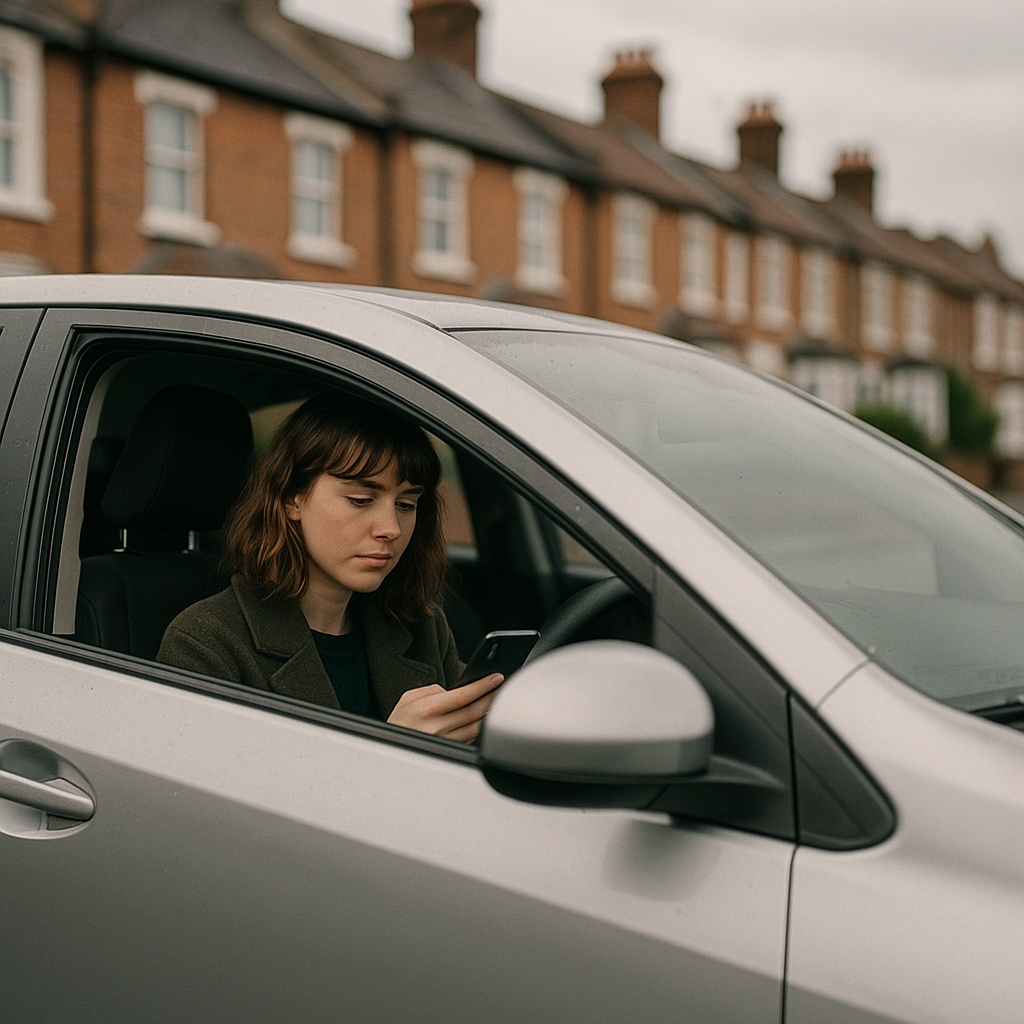
    Young driver setting up temporary car insurance UK on her mobile in a parked car

    What temporary car insurance actually is

    Temporary car insurance is a short-term motor insurance policy that sits completely separately from the car owner’s existing cover. That last bit matters. If you’re borrowing your mate’s Golf for the weekend and you just assume you’re covered under their policy as a named driver, you might well be wrong. Most comprehensive policies do include a “driving other cars” clause, but it’s usually third-party only, and it often comes with conditions that rule out plenty of situations entirely.

    A standalone temporary policy covers you on that specific vehicle for a defined period, typically anywhere from one hour up to 28 days. You get your own fully comprehensive cover. The car owner’s no-claims bonus stays completely untouched if something goes wrong. That alone makes it worth considering.

    The situations where it genuinely earns its keep

    Borrowing a family member’s car

    This is probably the most common scenario. Your parents are away and you need to move their car. Your sister wants you to drive her home from hospital. Your in-laws have asked you to use their Volvo for a long weekend. You could ring up their insurer and go through the whole process of being added as a named driver, but that takes time, potentially costs a fair chunk of money, and complicates their policy. A temporary policy on your mobile in about ten minutes is usually a much cleaner answer.

    Driving a newly purchased car home

    You’ve just handed over cash for a used car from a private seller. You’ve done your checks, you’ve seen the MOT, maybe you’ve even looked up the Land Rover Vehicle Data if it’s a Defender or Discovery. The problem is your existing insurance doesn’t cover this car yet, and it might be a Sunday afternoon. Temporary cover gets you home legally. Then you sort the proper annual policy in the morning.

    Learner drivers

    Adding a learner to an existing family policy can send the premium into orbit. Temporary learner driver insurance is a genuinely useful alternative, especially if the learner is only practising occasionally between professional lessons. Providers like Marmalade and Collingwood specifically cater to this, keeping the main policyholder’s no-claims bonus safe and giving the learner proper cover for practice sessions.

    Sharing a long drive

    You’re heading up to Scotland or across to Cornwall and neither of you fancies doing the whole thing solo. If the other driver isn’t on the car’s policy, a day’s temporary cover is cheap and clean. Much simpler than the alternative.

    Learner driver practising with temporary car insurance UK cover in a family car

    What does temporary car insurance actually cost in the UK?

    There’s no single answer, because it depends heavily on the driver’s age, the vehicle’s value, and how long you need cover for. Broadly speaking, a single day’s cover for an experienced driver in their 30s or 40s on a mid-range car tends to land somewhere between £15 and £35. Younger drivers and higher-value vehicles will push that up considerably.

    For a learner, expect £10 to £20 per day for a standard family hatchback, though this varies. Collingwood, which is one of the better-known learner specialist providers, typically prices two hours of cover at around £8 to £12 depending on the car and the learner’s age.

    Compare that to the cost of adding a young driver to an annual policy as a named driver, which can add hundreds of pounds per year, and the maths becomes quite clear for infrequent use. The Association of British Insurers has published data showing young drivers aged 17 to 24 face the highest premiums in the market, which is exactly why flexible short-term cover has grown so fast among that age group.

    Which providers are actually worth looking at

    Dayinsure is probably the biggest name in the space and works as a broker, pulling quotes from a panel of underwriters including Aviva. It covers one hour up to 28 days and handles learners as well as standard drivers. The quote process is fast and the app is decent.

    Veygo, which is owned by Admiral, is well regarded for learner driver cover and has a clean, simple interface. Admiral’s backing gives it some credibility in terms of claims handling. Marmalade is another learner-focused option that’s been around long enough to have a solid track record.

    Cuvva is worth mentioning for its flexibility. It started life as an hourly cover app and built its reputation on speed. You can get covered in a few minutes from your phone. It’s particularly useful for one-off drives rather than multi-day borrowing.

    For anyone thinking about a track day at some point, temporary track day insurance is a different product entirely, so don’t conflate the two. If that’s on your radar, it’s worth reading up separately on what to expect at UK track days and how the insurance side works before you book anything.

    What to watch for in the small print

    Not all temporary policies cover the same things. A few things to check before you buy. First, does the policy exclude certain vehicle types? Sports cars, imports, and anything modified can be tricky. If you’ve bought a grey import, you’ll want to read what complications come with grey import vehicles in the UK before you assume standard temporary cover will apply.

    Second, check the upper age limit. Some providers cap their cover at 75. Third, mileage limits exist on some policies, which matters if you’re driving a long distance. And fourth, check whether the vehicle needs to have a current MOT. Most providers require it, and rightly so.

    The excess on temporary policies can be higher than on standard annual cover, sometimes £500 or more. If you’re concerned about that, some providers let you buy excess protection as an add-on, though that pushes the cost up.

    Is it ever not worth it?

    If you’re driving a car regularly over a long period, annual insurance is obviously the right route. Stacking 30 days of temporary cover over a year would cost significantly more than a standard policy. Temporary insurance is for exactly what the name says: temporary situations. Use it for that, and it’s a smart, clean solution. Misuse it as a substitute for proper annual cover and you’ll pay through the nose.

    One thing worth flagging: if you’re frequently borrowing a car and finding yourself reaching for the Dayinsure app every other week, it might be worth getting properly added as a named driver on that policy instead. The maths shifts quickly once you’re doing it more than a handful of times per year. Similarly, if you’ve had recent convictions or penalty points, temporary cover can get expensive fast. Check your options carefully, and remember that being transparent about your driving history isn’t optional. Providing false information to an insurer is a criminal offence.

    Frequently Asked Questions

    How quickly can I get temporary car insurance in the UK?

    With most providers like Cuvva or Dayinsure, you can get covered within 10 to 15 minutes using your mobile. You’ll need your driving licence number, the vehicle registration, and a payment method. Some policies activate almost immediately after purchase.

    Does temporary car insurance affect the car owner's no-claims bonus?

    No. Because temporary cover is a completely separate policy in your own name, any claim you make goes against your temporary policy, not the car owner’s annual insurance. Their no-claims bonus is entirely protected.

    Can a learner driver get temporary car insurance in the UK?

    Yes. Several providers including Marmalade, Veygo, and Collingwood specialise in learner driver temporary cover. Policies can be bought by the hour or the day to cover private practice sessions in a family member’s or friend’s car, keeping the owner’s existing policy unaffected.

    What's the minimum and maximum duration of temporary car insurance?

    Most UK providers offer cover from as little as one hour up to 28 days. If you need cover beyond 28 days, you’d typically need to look at a standard short-term annual policy rather than the hourly or daily products.

    Is temporary car insurance fully comprehensive?

    Most reputable temporary insurance products do offer fully comprehensive cover, which is one of their major selling points over the ‘driving other cars’ extension on some annual policies, which tends to be third-party only. Always confirm the level of cover before purchasing, as it can vary by provider.