The detailing industry has never been short of products that promise to keep your car looking showroom-fresh forever. Right now, the two products generating the most conversation, and the most confusion, are paint protection film and ceramic coating. Both get heavily marketed. Both cost serious money. And both get oversold to buyers who don’t fully understand what they’re actually getting. I’ve spoken to a few reputable UK detailers about this, and the reality is a fair bit more nuanced than the sales pitch suggests.
What paint protection film and ceramic coating actually are
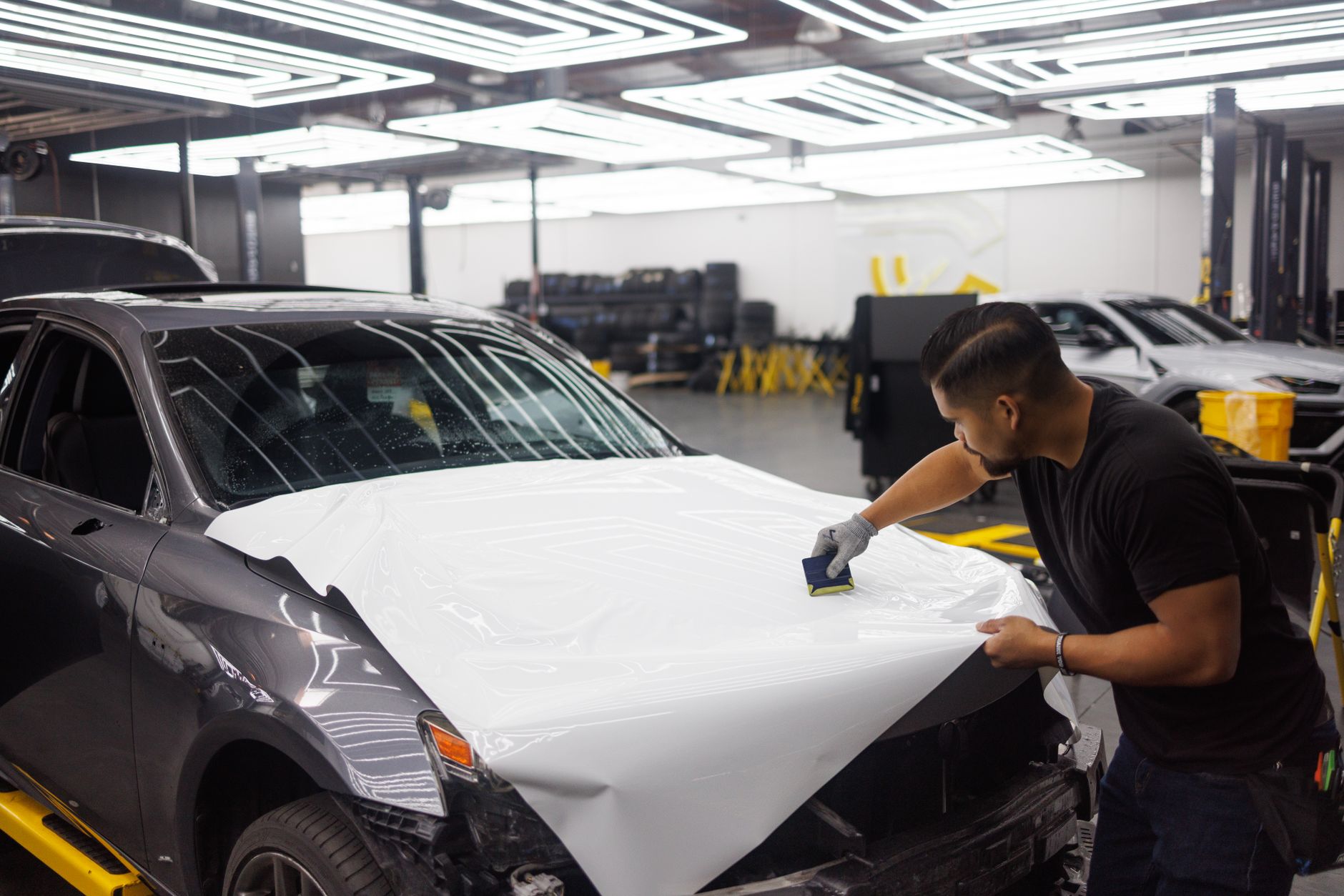
Paint protection film (PPF) is a thermoplastic urethane film, typically 150 to 200 microns thick, applied directly to the car’s painted surface. It’s physical armour. A stone chip hits the film, not your paint. Most modern PPF products also have self-healing properties, meaning light scratches in the film itself will disappear with heat, either from sunlight or a hot-water pour. Brands like XPEL and SunTek are well-established in the UK market.
Ceramic coating is a liquid polymer, usually silica-based, that bonds chemically to the paint surface and cures into a hard, hydrophobic layer. It’s measured in microns too, but we’re talking 1 to 5 microns, so think of it less as armour and more as a very durable, very slippery shell. Water beads and sheets off it. Contamination like bird lime and tree sap doesn’t bond as readily to the surface. But it will not stop a stone chip.
What UK roads actually do to your paint
This matters more than most comparisons acknowledge. UK driving conditions are genuinely tough on paintwork. Motorway grit in winter, road salt from November through to February, the constant spray kicked up by HGVs on the M1 or M6, these are real, daily threats to your car’s finish. I’d argue the UK case for paint protection film is stronger than in many European countries precisely because of how aggressively we treat our roads with salt and sharp aggregate.
Stone chips are the enemy on UK A-roads and motorways, and ceramic coating does nothing meaningful to stop them. That’s not a criticism, it’s just physics. If your car spends time on fast, gritty roads, and most UK cars do, PPF on the bonnet, front bumper, and wing mirrors is doing a job that ceramic coating simply cannot replicate. That said, ceramic coating does a brilliant job of making contamination removal easier and keeping the car cleaner between washes, which in the British climate, where the car seems perpetually dusty or damp, is genuinely useful.
The real cost difference in the UK
Here’s where the conversation gets uncomfortable for some detailers to have openly. PPF is expensive. A full front-end package (bonnet, bumper, headlights, mirrors, A-pillars) from a reputable UK installer typically runs from £800 to £1,500 depending on the vehicle and the complexity of the panels. Full-car PPF, which covers every painted surface, can run from £3,000 to over £6,000. That’s on top of any prep work and paint correction required beforehand.
Ceramic coating is cheaper. A professionally applied coating on a mid-size car, with a single day’s prep and application, tends to sit between £400 and £900 from a decent UK detailer, with higher-tier packages using products like Gtechniq Crystal Serum Ultra running to £1,200 or more. Some detailers combine both: PPF on the high-impact zones and ceramic coating over the PPF and the rest of the car, which is actually the setup I’d push for if budget allows.
DIY options exist for ceramic coating, and the likes of CarPro CQuartz or Gyeon Q² can be applied at home if you’re prepared to do proper paint correction first and work in a clean, warm environment. PPF DIY is theoretically possible but practically a nightmare. Getting film to sit cleanly around complex panel edges and curves takes skill that takes years to develop. Most botched DIY PPF jobs I’ve seen look worse than bare paint.
Longevity claims vs what actually happens on a UK car
Marketing literature will tell you PPF lasts 10 years and ceramic coating lasts 5 to 7. Those figures are achievable, but they assume consistent maintenance. In the real world, a car that sees a petrol station jet wash every fortnight will degrade a ceramic coating significantly faster than one hand-washed weekly. UK water quality also varies enough to affect beading performance over time; hard water areas like the South East can leave mineral deposits that dull the hydrophobic effect.
PPF is more forgiving of neglect in one sense: even a dirty film is still a physical barrier. But contamination left to sit on PPF can stain it, and some films yellow over time, particularly on white or light-coloured cars exposed to prolonged UV. Reputable installers using premium film products have improved dramatically on this, but it’s worth asking specifically about UV stability warranties before signing anything.
The Which? guide on car care products gives a reasonable layperson’s overview of what different protective treatments are actually designed to do, which is worth reading before you book anything in with a detailer.
What reputable UK detailers actually say
I’ve had conversations with a handful of established detailers, the kind with waiting lists and a wall of accreditations, and the honest ones say the same thing: both products are good, but the marketing around both has gone too far. Ceramic coating in particular gets sold as a no-maintenance solution, which it isn’t. You still need to wash the car regularly, still need to top up the coating periodically, and still need paint correction before application or you’re sealing in the swirls and scratches you already have.
The phrase I keep hearing is “ceramic coating amplifies what’s already there.” Good paint looks exceptional under a quality coating. Tired paint with oxidation and swirls looks worse, because the high gloss and clarity make every imperfection more visible. This is why reputable detailers always quote paint correction as part of the job, and why you should be sceptical of any quote that doesn’t mention it.
PPF gets less hype-driven criticism because the physical protection it provides is demonstrable and unambiguous. The main detailer concern there is installation quality: a poorly fitted film with visible edges, moisture bubbles, or lifting corners is both cosmetically awful and potentially damaging to the paint underneath when eventually removed. Check for a detailer who is XPEL or SunTek trained, or who can show you previous installations in person, not just on Instagram.
Which should you actually pay for?
For a brand-new car or a freshly resprayed panel, if the budget is there, the combination of PPF on high-impact zones and ceramic coating over the rest is the gold standard. If you’re working with one or the other, think about how you use the car. Motorway commuter doing 20,000 miles a year? PPF on the front end, full stop. Weekend driver who keeps the car garaged and wants maximum visual depth and easy cleaning? Ceramic coating is perfectly sensible.
For anyone buying or selling a used car, bear in mind that neither product adds value in any reliably quantifiable way at resale, unless the paint underneath is in exceptional condition because of the protection. That’s where the connection between maintenance history and used car value becomes relevant: a demonstrably well-cared-for car fetches more, and documentation of proper detailing can support that story.
One more thing: if you’ve invested in either treatment, think hard about how you’re washing the car. Automated rollover washes are catastrophic for ceramic coatings and will scratch PPF. Hand washing with proper two-bucket method, or a touchless jet wash at minimum, is what the investment deserves. If you’re running a classic or a project car, the hidden costs of keeping a classic in good condition are worth factoring in alongside any paint protection budget.