Grey import cars have always had a cult following in the UK. The allure is obvious: a right-hand-drive Japanese domestic market (JDM) gem with lower mileage than anything you’d find on AutoTrader, or a left-hand-drive American muscle car that never made it to these shores through official channels. Brilliant in theory. The reality, though, involves a fair bit of paperwork, testing, and the kind of phone calls that make you want to put the kettle on and have a biscuit first.
This guide cuts through the noise on grey import cars UK buyers actually face, the costs, the legal hoops, the insurance headaches, and what happens when something breaks and you can’t just pop to your local motor factor.

What Is a Grey Import Car?
A grey import is any vehicle brought into the UK that wasn’t originally sold here through an authorised dealership. They’re not illegal, the term “grey” refers to the regulatory grey area, not anything dodgy. The two biggest sources are Japan, where strict domestic regulations push low-mileage cars out of the market surprisingly early, and North America, which supplies everything from performance trucks to limited-edition sports cars that never had a UK launch.
Parallel imports are a related but separate category: cars that are technically sold in other European markets and brought over by independent importers. Post-Brexit, even these have become more complicated, so they’re worth treating with similar caution.
IVA Testing: The First Big Hurdle
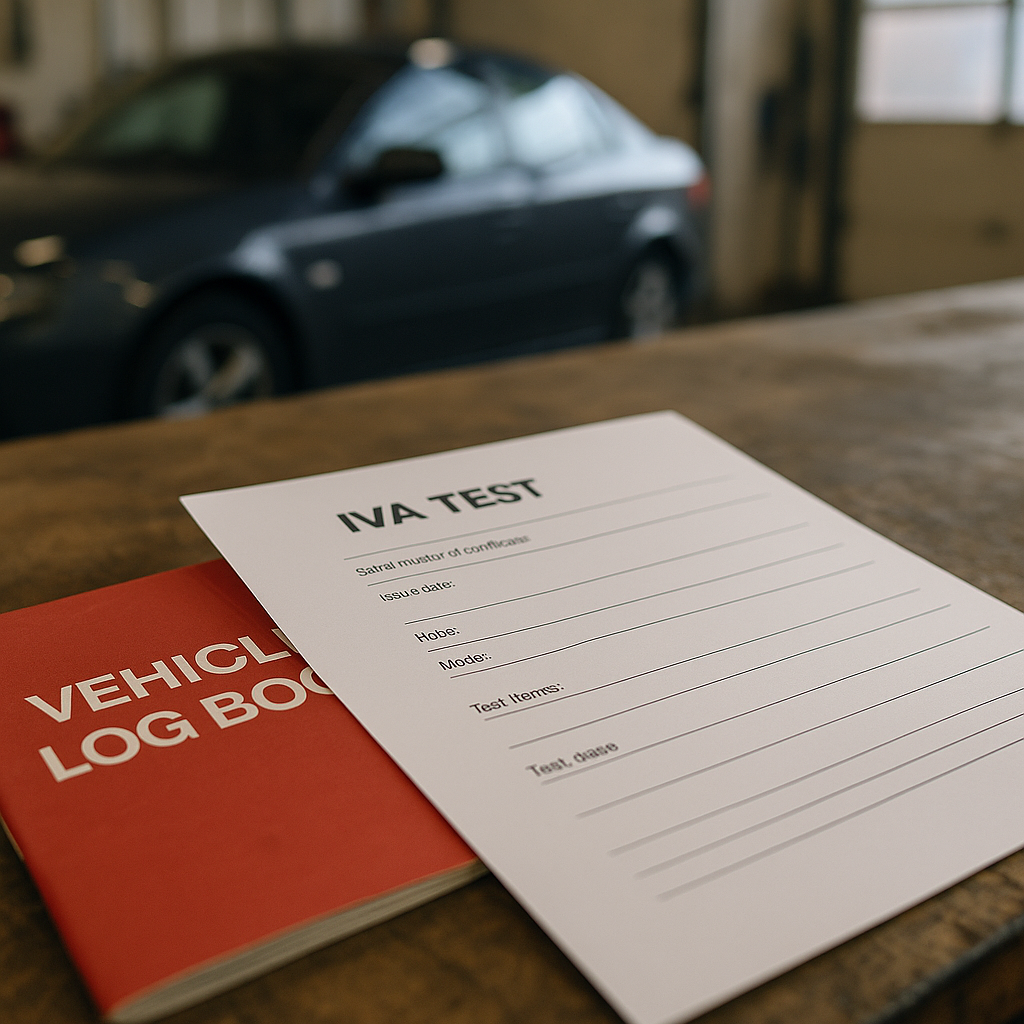
If your import doesn’t hold a Certificate of Conformity (CoC) for UK or EU type approval, it needs to pass an Individual Vehicle Approval (IVA) test before it can be registered with the DVLA. This is run by the Driver and Vehicle Standards Agency (DVSA) and is, frankly, exhaustive. Lighting positions, bumper heights, seat belt anchorages, emissions standards, they check all of it.
Booking is done through gov.uk’s vehicle approval pages, where you’ll also find the full IVA manual. Read it before you commit to buying anything, because the modifications required to pass can be expensive. A JDM car might need its speedometer converting from km/h to mph, side repeaters added, and headlights reflashed or replaced to suit UK dipping geometry. None of that is free.
The IVA test itself costs around £450 for a standard passenger car at the time of writing, and a retest adds another fee if you fail. Factor this into your budget from day one, not as an afterthought.
DVLA Registration and Number Plates
Once your car has cleared IVA (or if it already holds a valid CoC), you register it with the DVLA using form V55/5 for a new-to-UK vehicle. You’ll need proof of ownership, insurance, the IVA certificate or CoC, and evidence of customs clearance showing any import duty and VAT has been settled. Import duty from Japan currently sits at 6.5% of the vehicle’s value, and VAT on top of that. Yes, it adds up.
The car will receive a UK registration plate, and the year letter in the number plate will reflect when it was first registered in the UK, not when it was manufactured. That matters for resale value, so bear it in mind.
Insurance: Prepare for Some Awkward Conversations
Getting insured on a grey import isn’t impossible, but it’s significantly more involved than ringing around on a comparison site. Most mainstream insurers either won’t touch non-standard spec vehicles or will quote figures that make your eyes water. The problem is valuations: if there’s no official UK market for a particular variant, underwriters don’t know what they’re covering.
Specialist brokers are your best bet here. Adrian Flux is probably the most well-known name in the UK for insuring imports and modified cars, but there are others worth trying, including Footman James and Brentacre. Agreed value policies are worth pursuing, especially for JDM classics where standard market valuations are useless.
Be completely honest about the car’s spec when you ring around. A non-disclosed modification or non-standard fitment that comes to light after an accident can invalidate your policy entirely.
Sourcing Parts for a Non-UK Spec Vehicle
This is where grey imports separate the genuinely enthusiastic from the casually curious. Parts availability ranges from “surprisingly fine” to “you’ll be searching Yahoo Auctions Japan at midnight on a Thursday.” It depends entirely on the model.
Popular JDM cars like the Nissan Skyline, Subaru Impreza STI, or Honda Integra Type R have enormous aftermarket support and dedicated UK specialists. Less common stuff, certain Mitsubishi variants, obscure kei sports cars, American trucks, can be a proper challenge. For something like a Mitsubishi Outlander brought in from a non-EU market, it’s worth checking with specialists who stock outlander parts specifically for non-standard configurations, since OEM part numbers can differ between markets.
General advice: before you buy any grey import, spend an hour on the relevant owners’ club forums and ask bluntly about parts availability. The community will tell you the truth faster than any dealer will.
Running Costs and MOT Considerations
Grey imports are subject to standard UK MOT testing once registered, which is reassuring from a safety perspective but occasionally produces headaches. Left-hand-drive cars need their headlights adjusted for UK roads. Some older JDM vehicles emit at levels that were acceptable in Japan but fall outside what a UK MOT emissions test expects.
Servicing is another consideration. Main dealers won’t touch a non-UK spec vehicle in most cases. You’ll need an independent specialist, and the good ones are genuinely excellent, but they’re not always around the corner. Joining the relevant owners’ club early pays dividends here, because members will know exactly who to trust locally.
Is It Worth It?
For the right car and the right buyer, absolutely. A well-sourced JDM import can offer genuine value, especially for performance and collector cars that simply weren’t sold here. The process does demand patience, a reasonable contingency budget, and a tolerance for bureaucracy. Go in with eyes open, do your homework on IVA requirements before you wire any money overseas, and make sure you’ve got an insurer lined up before the car arrives on a transporter.
Grey import cars UK buyers end up loving tend to be the ones where the owner treated the purchase like a project from the start, not a shortcut to something cheap. Get that mindset right and the whole thing becomes half the fun.
Frequently Asked Questions
Do grey import cars need an MOT in the UK?
Yes. Once a grey import is registered with the DVLA, it follows the same MOT schedule as any UK vehicle: annually from the third year of UK registration. The test checks the car against UK standards, so things like headlight beam pattern and emissions must comply.
How much does IVA testing cost for a grey import in the UK?
The IVA test for a standard passenger car costs around £450 through the DVSA. If the vehicle fails and requires a retest, additional fees apply. Budget for modification costs on top of the test fee, as most imports need some changes to meet UK requirements.
Can I insure a grey import car in the UK?
Yes, but you’ll likely need a specialist broker rather than a standard comparison site. Companies like Adrian Flux, Footman James, and Brentacre deal with imports regularly. An agreed value policy is often the best option for vehicles without an established UK market price.
What import duty and VAT applies when bringing a car into the UK from Japan?
Import duty from Japan is currently 6.5% of the vehicle’s declared value, with 20% VAT applied on top of the duty-inclusive price. Customs clearance documentation is required before the DVLA will register the vehicle, so keep all paperwork from the shipping agent.