Private number plates have always attracted a certain kind of enthusiast. Part collector’s obsession, part vanity project, part genuine investment for some. The DVLA number plate auction UK market is bigger than most people realise, and it throws up some genuinely extraordinary results alongside plenty of expensive mistakes. If you’re thinking about dipping in, it’s worth understanding exactly how the whole system operates before you register a paddle number.
The headline figures are hard to ignore. Plates like “25 O” and “F1” have sold for over a million pounds. Most go for a few hundred. The gap between those two extremes is where most of the confusion and bad decisions live.
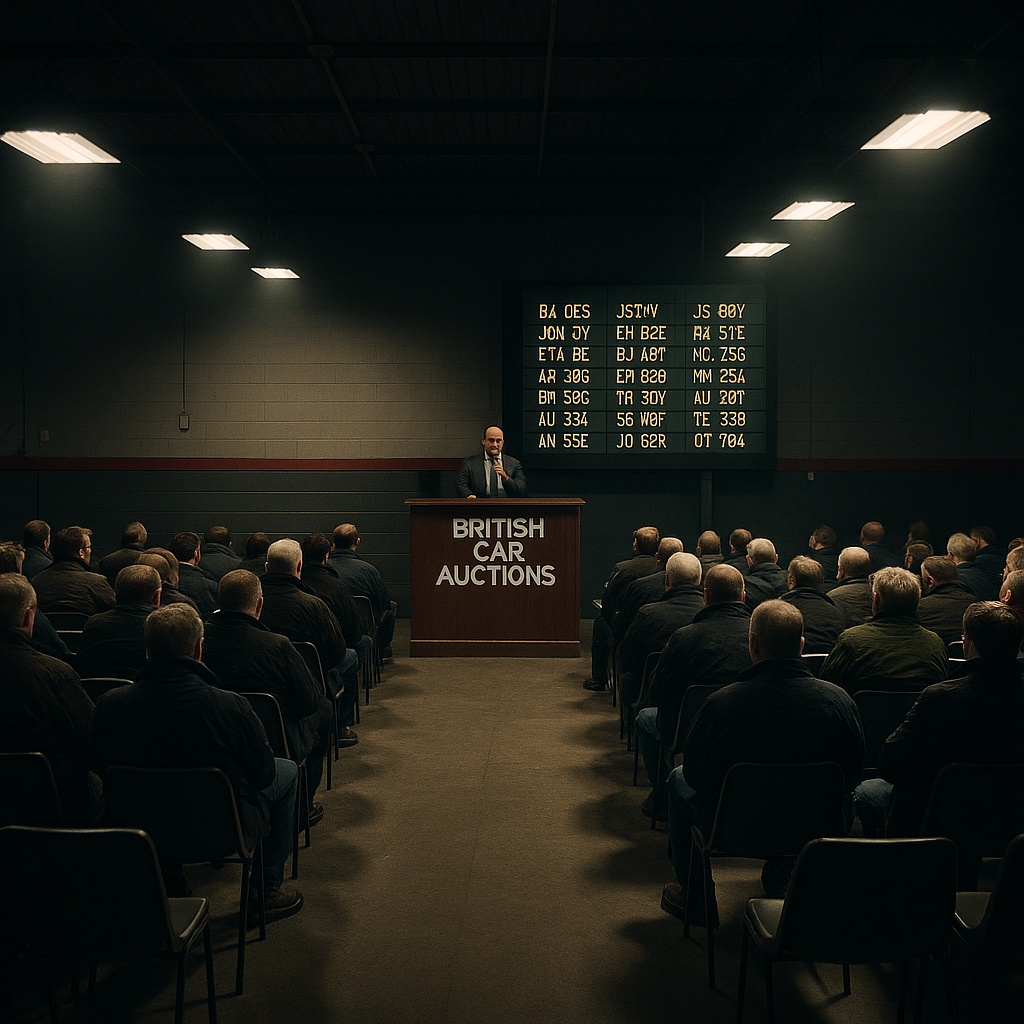
How the DVLA Runs Its Own Auctions
The DVLA has been selling personalised registrations directly since 1989, and it runs several auctions throughout the year via its Select Personalised Registrations service. These aren’t dusty government surplus events. They’re slick, well-attended sales, increasingly run online via the official DVLA auctions site, with some still held as live events through appointed auctioneers like BCA (British Car Auctions).
The process is straightforward in theory. The DVLA releases batches of registrations it considers have commercial appeal, sets a reserve price, and opens bidding. You register to bid, place your bids either live or as a maximum pre-bid, and if you win, you pay. The plate is then assigned to a vehicle of your choosing or held on a certificate for later use. Buyer’s premium applies on top of the hammer price, typically around 5%, so factor that in before you get carried away in the moment.
Importantly, the DVLA also runs a fixed-price online shop alongside the auctions. Not everything goes under the hammer. Plenty of registrations are available at set prices, which can actually be better value than auction if the format you want isn’t particularly rare. Worth checking both channels before assuming the auction is the only route.
Which Plate Formats Command Serious Money
Short is expensive. That’s the simplest rule. A single digit, single letter plate like “1 A” or “A 1” is worth more than a seven-character current-style plate every single time. The fewer characters, the more prestige, and prestige is what this market runs on.
Dateless plates, those without a year identifier, are consistently the most sought-after because they don’t age your vehicle. Slap a dateless plate on a 2005 Mondeo and nobody can tell the car’s year from the registration. That flexibility has real monetary value.
The other big movers are initials and names. “JOE 1” or “SAR 4H” type plates attract a specific buyer willing to pay a premium for something genuinely personal. Plates that spell obvious words, particularly short ones, also generate strong bidding. “BUS 1” sold for over £6,500. “MR 2” has come up multiple times at strong prices. Anything that reads cleanly as a word or common abbreviation will attract interest.
Current-format plates from the new 2000s-onwards system (like AB26 XYZ style) rarely fetch serious money unless the letter and number combination spells something compelling. They’re the bread and butter of the fixed-price shop rather than the headline auction lots.
The Secondary Market: Where Most Buyers Actually Shop
The majority of private plate purchases in the UK happen not through the DVLA directly but through private dealers and resellers. Sites like Regtransfers, Plate Master, and CarReg hold enormous inventories of plates that previous owners have listed for sale. The markup on some of these compared to what they’d fetch at a DVLA number plate auction UK is considerable.
This is where pitfalls stack up fast. A few to watch for:
- Retention certificate expiry. Plates held on certificates rather than assigned to a vehicle have an expiry date. If a seller hasn’t renewed theirs, that plate might already be back in the DVLA pool. Always verify the certificate is current before you hand over a penny.
- The assignment process and timings. Transferring a plate to your vehicle requires V5C documentation and DVLA processing. Don’t assume you can drive away with your new registration the same day you buy it. It can take several weeks.
- Age restrictions. A plate cannot make a vehicle appear newer than it is. You can put a 1994 dateless plate on a 2026 car, but you cannot put a 2026-year-identifier plate on a 1994 car. Sellers don’t always flag this clearly.
- Overvaluation. The secondary market is full of plates listed at wildly optimistic prices that have sat unsold for years. Just because a dealer has priced “BOB 123” at £4,500 doesn’t mean it’s worth that. Check recent auction results for similar formats to calibrate what anything is genuinely worth.
The DVLA publishes guidance on buying and transferring personalised registrations, and it’s worth reading before you commit. You can find it directly on gov.uk. Dry reading, yes. Useful, absolutely.
Is Buying at a DVLA Auction Actually Worth It?
Compared to the secondary market, going direct through a DVLA number plate auction UK sale can offer better value, particularly for less common formats that haven’t yet been snapped up by dealers to mark up and resell. You’re cutting out the middleman. The reserve prices set by the DVLA tend to be reasonable for most lots, and plenty of plates go for only slightly above reserve.
The risk is getting caught up in bidding wars. Auction rooms, even virtual ones, generate competitive pressure. Set your maximum before you start and stick to it like your life depends on it. I’ve seen blokes at BCA live events get swept up and pay double what they’d budgeted because someone else kept nudging the price. It happens constantly.
For the rarer, genuinely desirable formats, particularly anything dateless and below five characters, there’s a credible argument that values have held or grown over decades. They’re a finite resource. The DVLA can’t manufacture more “B 1” plates. But treating a number plate purely as an investment is speculative at best. If you love the plate and want it on your car, great. If you’re expecting a guaranteed return, the evidence is much patchier than dealers would have you believe.
Practical Tips Before You Bid
Register early. DVLA auctions require pre-registration and identity verification. Don’t leave it until the day before the sale and discover you can’t access the bidding platform. Similarly, check the specific lot conditions for each plate, including what vehicle it can be assigned to and whether a retention certificate is being offered or direct transfer only.
Research comparable sales. The DVLA publishes historical auction results, and third-party sites track secondary market prices. Spend an hour looking at what similar formats have achieved before you decide your maximum. It’ll save you looking sheepish when you’ve paid £800 for something that regularly goes for £300.
Finally, if the plate you want isn’t in the current auction batch, don’t panic-bid on something similar. The DVLA runs multiple auctions per year, and the fixed-price shop is always open. Patience wins more often than impulse in this market.