

Most people think insurance is something you sort out once a year, shove in a drawer, and forget about. But there’s a growing slice of the market that works completely differently: temporary car insurance in the UK, sold by the hour or the day, no annual commitment, no faff. It’s been around for a while, but it’s genuinely picking up pace, and for good reason. There are situations where it’s absolutely the right tool for the job.
The key is knowing when it actually makes sense versus when you’re just spending money you don’t need to. So let’s dig into the real use cases, the numbers, and which providers are actually worth your time.
What temporary car insurance actually is
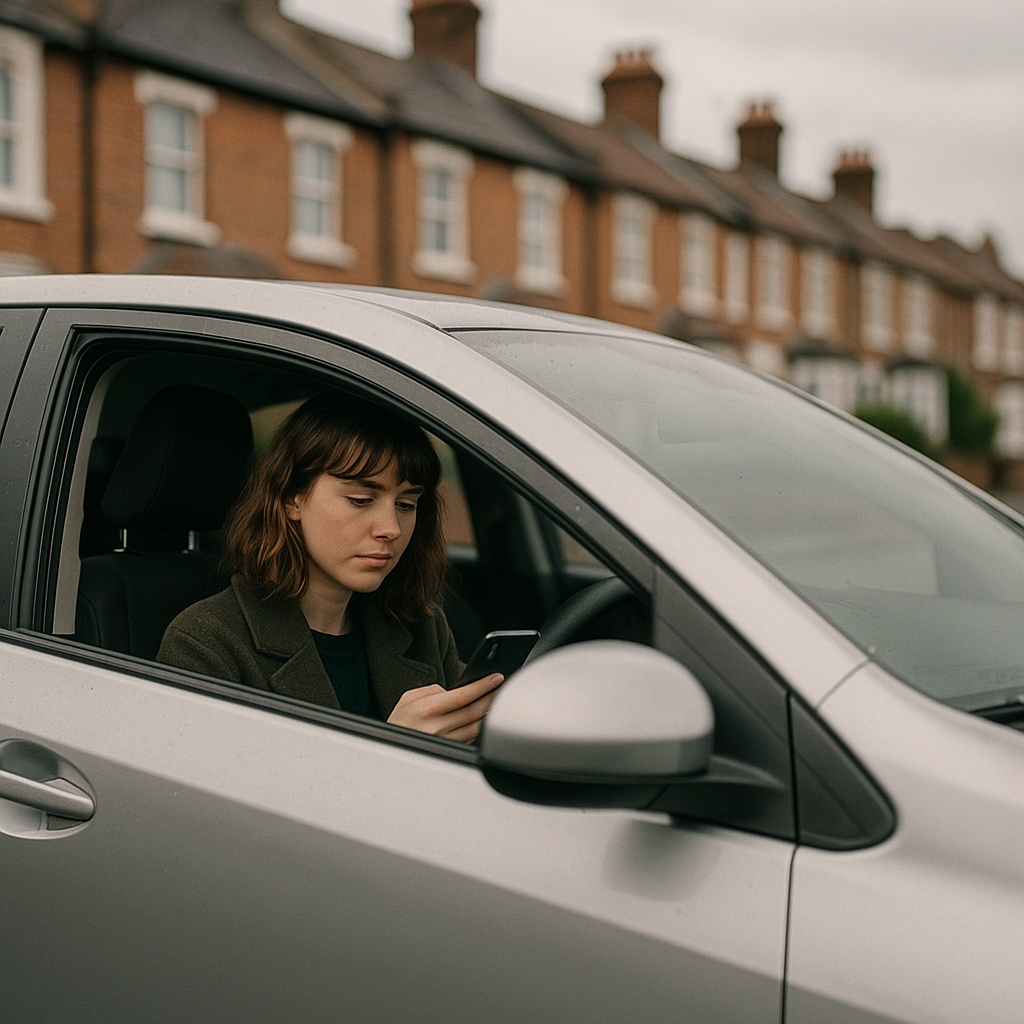
Temporary car insurance is a short-term motor insurance policy that sits completely separately from the car owner’s existing cover. That last bit matters. If you’re borrowing your mate’s Golf for the weekend and you just assume you’re covered under their policy as a named driver, you might well be wrong. Most comprehensive policies do include a “driving other cars” clause, but it’s usually third-party only, and it often comes with conditions that rule out plenty of situations entirely.
A standalone temporary policy covers you on that specific vehicle for a defined period, typically anywhere from one hour up to 28 days. You get your own fully comprehensive cover. The car owner’s no-claims bonus stays completely untouched if something goes wrong. That alone makes it worth considering.
The situations where it genuinely earns its keep
Borrowing a family member’s car
This is probably the most common scenario. Your parents are away and you need to move their car. Your sister wants you to drive her home from hospital. Your in-laws have asked you to use their Volvo for a long weekend. You could ring up their insurer and go through the whole process of being added as a named driver, but that takes time, potentially costs a fair chunk of money, and complicates their policy. A temporary policy on your mobile in about ten minutes is usually a much cleaner answer.
Driving a newly purchased car home
You’ve just handed over cash for a used car from a private seller. You’ve done your checks, you’ve seen the MOT, maybe you’ve even looked up the Land Rover Vehicle Data if it’s a Defender or Discovery. The problem is your existing insurance doesn’t cover this car yet, and it might be a Sunday afternoon. Temporary cover gets you home legally. Then you sort the proper annual policy in the morning.
Learner drivers
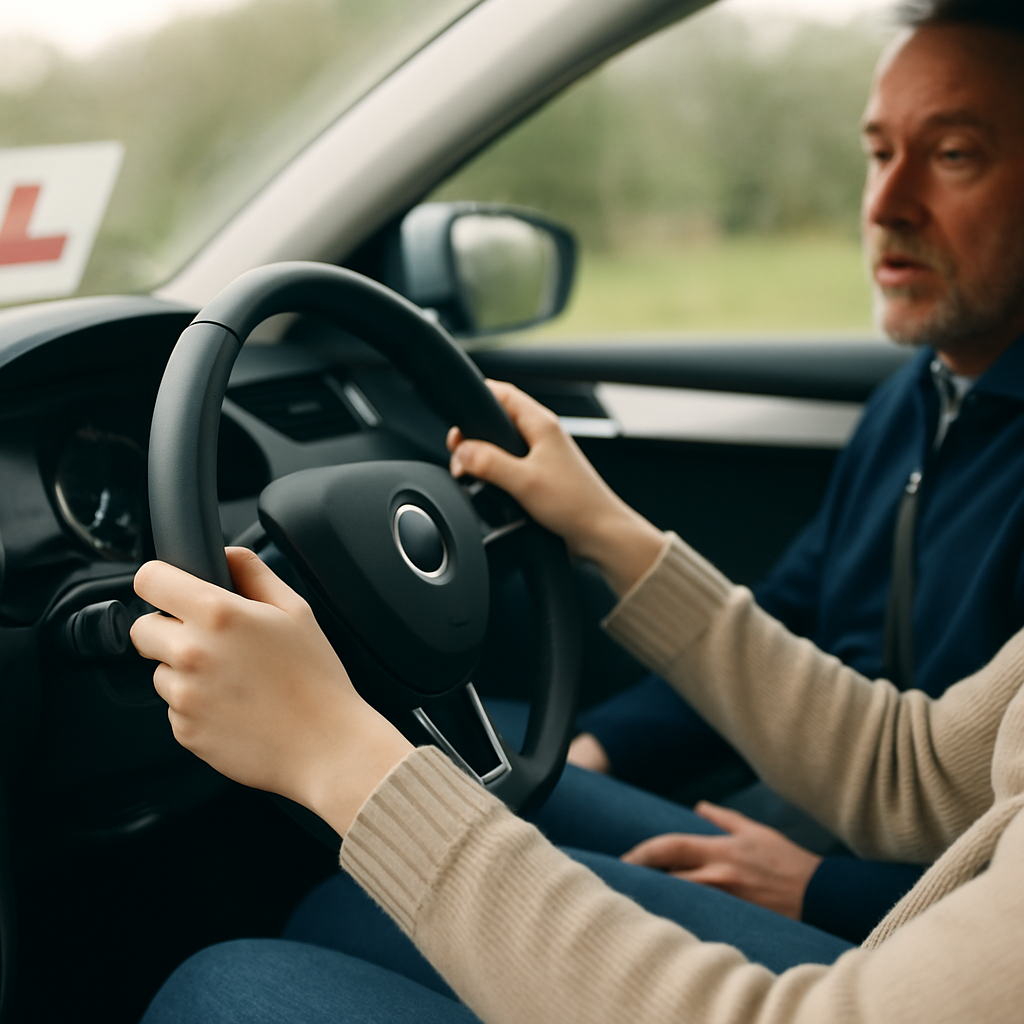
Adding a learner to an existing family policy can send the premium into orbit. Temporary learner driver insurance is a genuinely useful alternative, especially if the learner is only practising occasionally between professional lessons. Providers like Marmalade and Collingwood specifically cater to this, keeping the main policyholder’s no-claims bonus safe and giving the learner proper cover for practice sessions.
Sharing a long drive
You’re heading up to Scotland or across to Cornwall and neither of you fancies doing the whole thing solo. If the other driver isn’t on the car’s policy, a day’s temporary cover is cheap and clean. Much simpler than the alternative.
What does temporary car insurance actually cost in the UK?
There’s no single answer, because it depends heavily on the driver’s age, the vehicle’s value, and how long you need cover for. Broadly speaking, a single day’s cover for an experienced driver in their 30s or 40s on a mid-range car tends to land somewhere between £15 and £35. Younger drivers and higher-value vehicles will push that up considerably.
For a learner, expect £10 to £20 per day for a standard family hatchback, though this varies. Collingwood, which is one of the better-known learner specialist providers, typically prices two hours of cover at around £8 to £12 depending on the car and the learner’s age.
Compare that to the cost of adding a young driver to an annual policy as a named driver, which can add hundreds of pounds per year, and the maths becomes quite clear for infrequent use. The Association of British Insurers has published data showing young drivers aged 17 to 24 face the highest premiums in the market, which is exactly why flexible short-term cover has grown so fast among that age group.
Which providers are actually worth looking at
Dayinsure is probably the biggest name in the space and works as a broker, pulling quotes from a panel of underwriters including Aviva. It covers one hour up to 28 days and handles learners as well as standard drivers. The quote process is fast and the app is decent.
Veygo, which is owned by Admiral, is well regarded for learner driver cover and has a clean, simple interface. Admiral’s backing gives it some credibility in terms of claims handling. Marmalade is another learner-focused option that’s been around long enough to have a solid track record.
Cuvva is worth mentioning for its flexibility. It started life as an hourly cover app and built its reputation on speed. You can get covered in a few minutes from your phone. It’s particularly useful for one-off drives rather than multi-day borrowing.
For anyone thinking about a track day at some point, temporary track day insurance is a different product entirely, so don’t conflate the two. If that’s on your radar, it’s worth reading up separately on what to expect at UK track days and how the insurance side works before you book anything.
What to watch for in the small print
Not all temporary policies cover the same things. A few things to check before you buy. First, does the policy exclude certain vehicle types? Sports cars, imports, and anything modified can be tricky. If you’ve bought a grey import, you’ll want to read what complications come with grey import vehicles in the UK before you assume standard temporary cover will apply.
Second, check the upper age limit. Some providers cap their cover at 75. Third, mileage limits exist on some policies, which matters if you’re driving a long distance. And fourth, check whether the vehicle needs to have a current MOT. Most providers require it, and rightly so.
The excess on temporary policies can be higher than on standard annual cover, sometimes £500 or more. If you’re concerned about that, some providers let you buy excess protection as an add-on, though that pushes the cost up.
Is it ever not worth it?
If you’re driving a car regularly over a long period, annual insurance is obviously the right route. Stacking 30 days of temporary cover over a year would cost significantly more than a standard policy. Temporary insurance is for exactly what the name says: temporary situations. Use it for that, and it’s a smart, clean solution. Misuse it as a substitute for proper annual cover and you’ll pay through the nose.
One thing worth flagging: if you’re frequently borrowing a car and finding yourself reaching for the Dayinsure app every other week, it might be worth getting properly added as a named driver on that policy instead. The maths shifts quickly once you’re doing it more than a handful of times per year. Similarly, if you’ve had recent convictions or penalty points, temporary cover can get expensive fast. Check your options carefully, and remember that being transparent about your driving history isn’t optional. Providing false information to an insurer is a criminal offence.
Frequently Asked Questions
How quickly can I get temporary car insurance in the UK?
With most providers like Cuvva or Dayinsure, you can get covered within 10 to 15 minutes using your mobile. You’ll need your driving licence number, the vehicle registration, and a payment method. Some policies activate almost immediately after purchase.
Does temporary car insurance affect the car owner's no-claims bonus?
No. Because temporary cover is a completely separate policy in your own name, any claim you make goes against your temporary policy, not the car owner’s annual insurance. Their no-claims bonus is entirely protected.
Can a learner driver get temporary car insurance in the UK?
Yes. Several providers including Marmalade, Veygo, and Collingwood specialise in learner driver temporary cover. Policies can be bought by the hour or the day to cover private practice sessions in a family member’s or friend’s car, keeping the owner’s existing policy unaffected.
What's the minimum and maximum duration of temporary car insurance?
Most UK providers offer cover from as little as one hour up to 28 days. If you need cover beyond 28 days, you’d typically need to look at a standard short-term annual policy rather than the hourly or daily products.
Is temporary car insurance fully comprehensive?
Most reputable temporary insurance products do offer fully comprehensive cover, which is one of their major selling points over the ‘driving other cars’ extension on some annual policies, which tends to be third-party only. Always confirm the level of cover before purchasing, as it can vary by provider.
Leave a Reply