There are few modifications that split the gearhead community quite like a remap. Half the crowd swears it’s the best £300 they ever spent; the other half has a story about a voided insurance policy or a blown turbo. The truth, as usual, sits somewhere in the middle. ECU remapping UK has gone from backstreet tuner territory to a mainstream service offered by franchised dealers and independent specialists alike, and the number of cars being remapped on British roads is climbing every year. Before you book yours in, though, there’s a fair bit worth understanding.

What an ECU Remap Actually Does
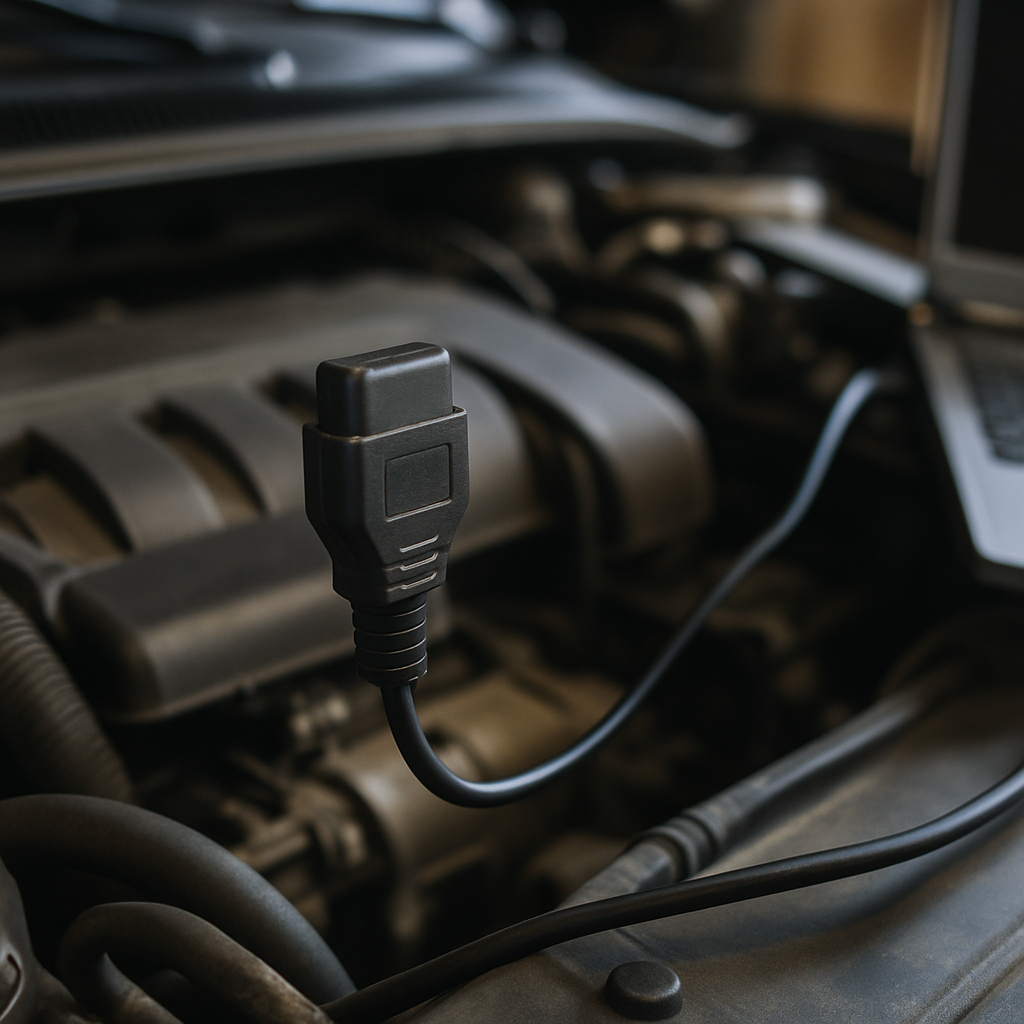
Your engine control unit (ECU) is essentially the brain of your car. From the factory, it runs on software calibrated by the manufacturer to hit a specific set of targets: fuel economy figures that look good in brochures, emissions that pass Euro 6 testing, and reliability margins wide enough to cope with terrible servicing habits and poor-quality fuel in dozens of different markets.
That’s not cynicism; it’s just engineering reality. A remap replaces or overwrites those factory parameters with a custom map tailored to your engine, your fuel grade, and your goals. A skilled tuner will adjust fuelling, ignition timing, boost pressure on turbocharged engines, rev limiters, and throttle response curves. Done properly on the right hardware, you can extract genuinely significant gains from engines that were conservatively mapped at the factory.
Turbocharged diesel engines tend to respond best. A 2.0-litre TDI that leaves the factory at 150 brake horsepower (bhp) might comfortably reach 190 bhp after a remap, with torque figures climbing even more impressively. Petrol turbo engines are similarly responsive. Naturally aspirated petrols are more limited; there’s only so much timing and fuelling can do when you’re not adding more air to the equation.
How Much Do Remaps Cost in the UK?
Prices vary considerably depending on where you go and what your car needs. A basic off-the-shelf Stage 1 remap from a reputable national chain like Viezu or Celtic Tuning typically sits between £250 and £500. Custom, dyno-proven remaps from specialist tuning shops can push £700 to £1,200 or more, particularly on performance cars or anything requiring hardware changes alongside the software work.
Cheaper options do exist, and that’s where caution is warranted. Generic maps downloaded and flashed remotely for £80 on a forum have caused real engine damage. The ECU of your 2.0 TDC Vauxhall Astra does not have the same tolerances as every other 2.0 TDC engine in existence; wear, fuelling quirks, and modifications all affect what a safe map looks like. A proper tuner will want to know your service history, check for faults, and ideally spend time on a rolling road.
ECU Remapping UK and Your Insurance Obligations
This is the bit that catches people out, and it matters enormously. In the UK, your motor insurance policy is a contract, and one of your core obligations is to disclose any modifications to your vehicle. An ECU remap is unambiguously a modification, even though it leaves no visible trace under the bonnet.
The problem is that a remap is essentially invisible. There’s no physical component to spot during an inspection. But insurers increasingly use Vehicle Identity Check (VIC) markers and forensic assessments after accidents to determine whether a car has been modified. If your remapped car is involved in a write-off and the insurer finds evidence of a tune, your policy can be voided. You could face a rejected claim, personal liability for third-party damages, and potentially a finding of driving without valid insurance.
The good news is that disclosure doesn’t automatically mean financial ruin. Many specialist insurers and brokers, including Adrian Flux, Footman James, and A-Plan, actively cover modified vehicles. You will pay more, typically 10 to 30 percent above standard premiums depending on the power increase, but that premium is a fraction of what an uncovered accident could cost you. For more on your legal obligations regarding vehicle modifications, the UK government’s vehicle approval guidance is worth a read alongside your insurer’s policy wording.
Does a Remap Affect Your MOT or Road Legality?
A Stage 1 remap on an otherwise standard car will almost always pass an MOT without issue. The emissions test uses fixed pass/fail thresholds rather than comparing against manufacturer specifications, so a well-tuned engine running cleanly will sail through. Where it gets complicated is when the remap is paired with an exhaust modification, EGR delete, or DPF removal. Those changes are where you start crossing lines with emissions law, and DVSA can and do issue prohibition notices on vehicles that have had emissions control equipment removed.
DPF deletes in particular are illegal for road use in the UK under the Road Vehicles (Construction and Use) Regulations 1986, regardless of what any tuner tells you. The police can issue fixed penalties, and MoT stations are required to fail any vehicle where evidence of tampering is found. Keep your remap to a software-only Stage 1 and leave the emissions hardware intact, and you’re on solid ground.
Choosing the Right Tuner for ECU Remapping in the UK
The market is not short of cowboys. My honest advice: look for tuners who are mapped on a rolling road (also called a dyno), who give you before-and-after power figures in writing, and who offer a money-back guarantee if the gains don’t materialise. Membership of the RMI (Retail Motor Industry Federation) or accreditation through organisations like Viezu’s own certification network is a reasonable indicator of professionalism.
Ask specifically whether they write a custom map for your individual car or load a generic file. Ask whether they do a pre-remap diagnostic check. Ask what happens if something goes wrong within the first 1,000 miles. Any tuner worth their salt will answer all three questions without hesitation.
It’s also worth noting that the precision of this kind of work shares a DNA with serious industrial engine management; the same attention to fuelling tolerances and timing accuracy that goes into tuning performance diesels is also what separates well-engineered heavy plant components from bodged ones. Even enthusiasts who’ve never looked at a Cat machine can appreciate why specialists in sectors like Caterpillar engine parts are obsessive about specification accuracy.
Are the Performance Gains Actually Worth It?
For turbocharged diesels and petrol turbos, honestly, yes, in many cases. A properly executed remap on a modern diesel estate can deliver noticeably better overtaking performance, improved fuel economy at motorway speeds (because you’re using less throttle to maintain pace), and a more alert throttle response in daily driving. The 30 to 40 bhp gain figures often quoted are real on the right platforms.
For naturally aspirated cars, the gains are modest, typically 5 to 10 bhp, and harder to justify financially. You might feel a slightly crisper throttle, but the £350 might be better spent on quality tyres.
The key variables are the engine platform, the quality of the tuner, and whether you’ve disclosed the mod to your insurer. Get those three right, and an ECU remap UK enthusiasts recommend is entirely achievable without drama. Get any one of them wrong, and it’s an expensive lesson.