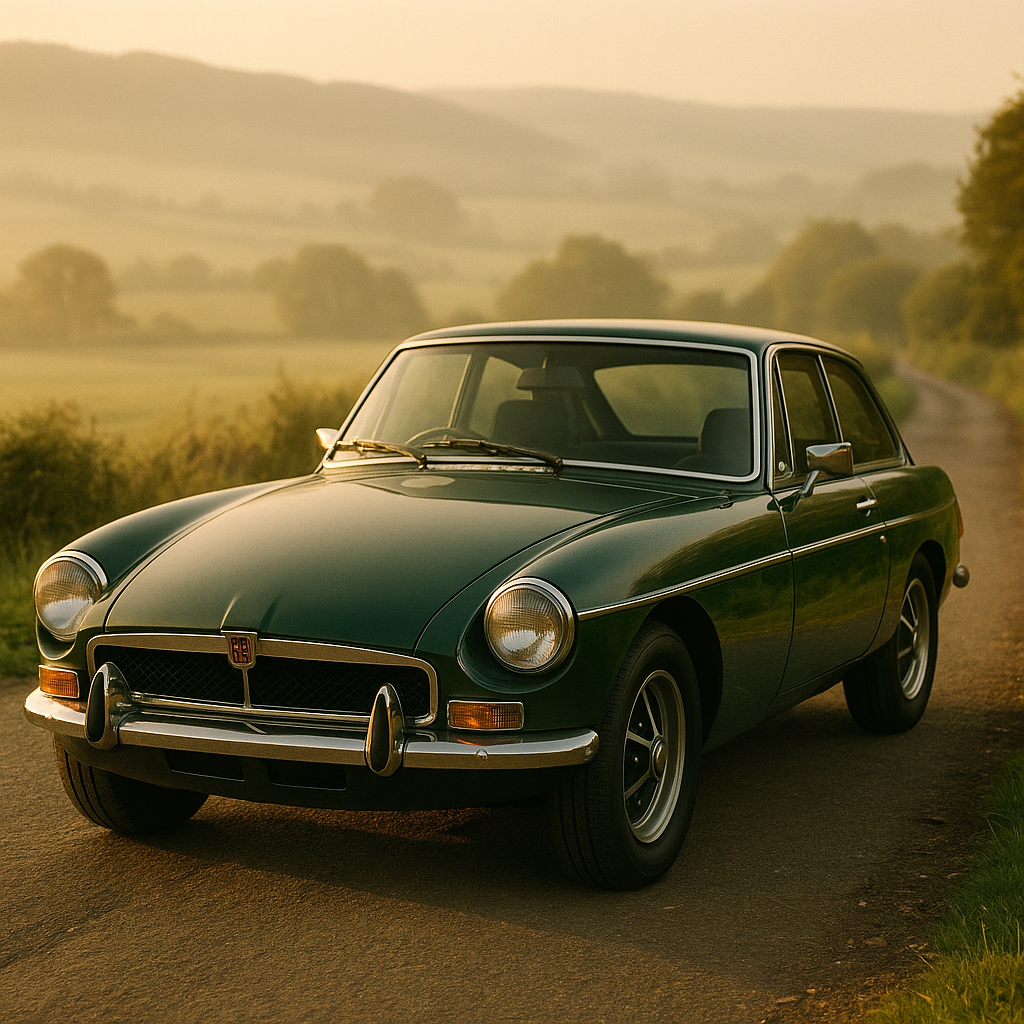
You find the car. It’s sitting in a garage in Shropshire, a bit crusty but fundamentally right. The price seems almost too good. You shake hands, load it on a trailer, and drive home with that grin you haven’t had since you passed your test. Then the bills start arriving. Classic car ownership costs in the UK have a way of revealing themselves slowly, like rust through a fresh respray, and by the time you’ve added everything up, that bargain purchase doesn’t look quite so clever.
This isn’t a piece to put you off classics. Far from it. But the romanticised version of ownership that dominates YouTube channels and Sunday morning meet-ups tends to skip the spreadsheet. So here it is, properly counted.
The purchase price is just the deposit
The first thing most buyers get wrong is treating the purchase price as the total outlay. It isn’t. With a classic, whatever you pay to get it on your drive is essentially a down payment on the real cost of ownership. A car bought for £8,000 that needs £4,000 of mechanical sorting in year one is a £12,000 car. A car bought for £15,000 that needs nothing is cheaper over three years.
Pre-purchase inspections from a marque specialist typically cost between £150 and £350, depending on the car and the specialist’s location. Skipping one is false economy. The British Motor Museum and the various one-make clubs (the MG Car Club, the Jaguar Drivers’ Club, and so on) can point you towards qualified assessors who actually know what they’re looking at. A general mechanic checking over a Series Land Rover is not the same thing.
Sourcing obsolete parts: the real money pit
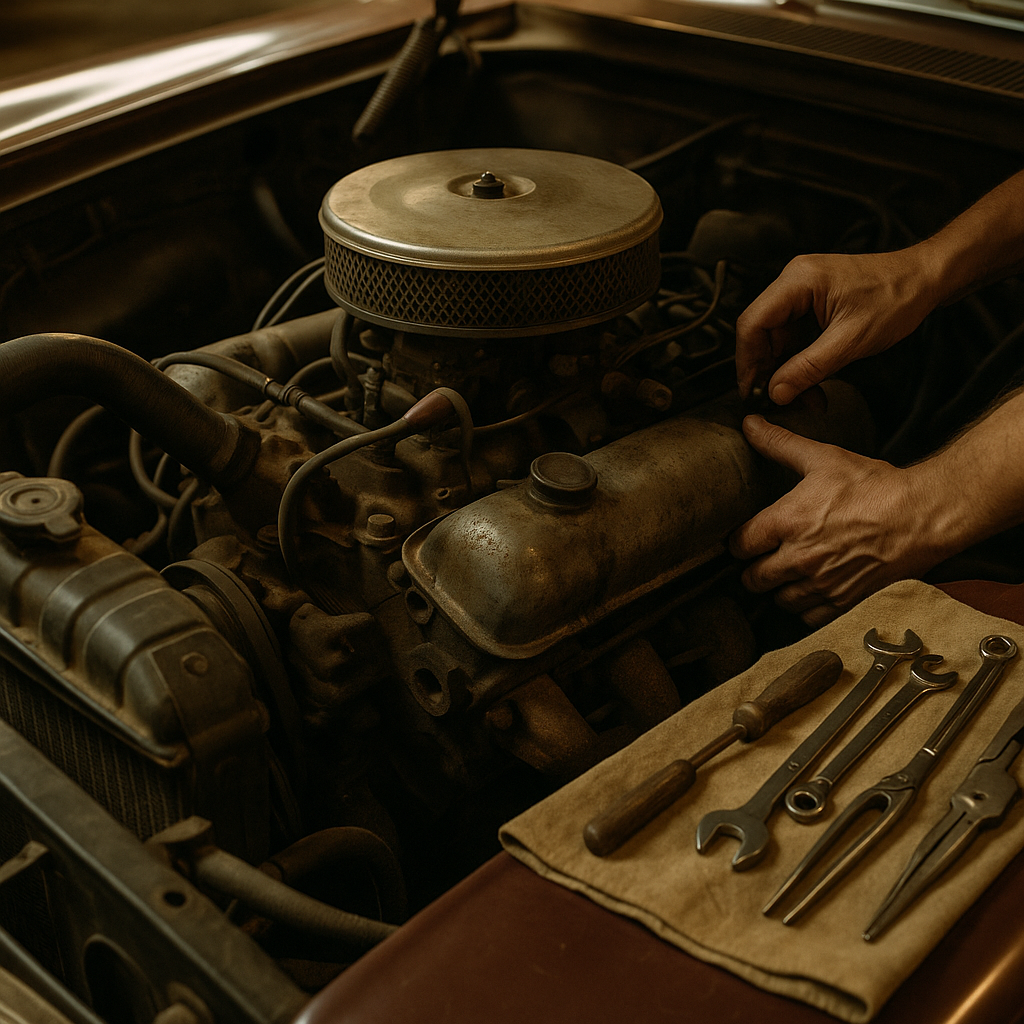
This is where classic car ownership costs in the UK quietly spiral. New old stock (NOS) parts for pre-1990 vehicles can be genuinely scarce, and scarcity means premium pricing. A simple rubber seal that would cost pennies on a modern car might be £40 from a specialist supplier because it has to be remoulded from original tooling, or because only one supplier in the country still holds them.
Budget for the following categories separately, because they all hit differently:
- Mechanical wear items (brake shoes, clutch plates, timing chains), usually still in production for popular models, but expect to pay 30 to 50 per cent more than equivalent modern parts
- Body panels and trim, often NOS or quality reproductions, with prices ranging from manageable to eye-watering depending on the model
- Electrical components, the real nightmare; period wiring looms, switches, and instrument clusters can cost hundreds just to source, before any labour
For 4×4 classics in particular, the parts landscape has improved considerably in recent years. Specialist stockists have invested heavily in keeping older models on the road; if you’re tracking down shogun sport parts for example, dedicated suppliers now hold stock that would have been near-impossible to find a decade ago. That’s genuinely good news for owners.
Still, build a dedicated parts fund. A realistic figure for a well-sorted classic used regularly is £800 to £2,500 per year, purely on parts. Rusty body cars, or anything with a complicated original drivetrain, will sit at the top of that range or beyond it.
Classic car insurance: agreed value matters enormously
Standard motor insurance is unsuitable for classic cars. Most policies work on a market value basis, which means in a total loss, the insurer decides what your car was worth, not you. For a standard modern car that’s annoying. For a restored classic that you’ve spent £20,000 on over ten years, it’s devastating.
Agreed value policies fix the payout sum at the start of the policy. You provide evidence of the car’s value (usually a recent independent valuation or documented restoration receipts), the insurer accepts it, and that figure is what gets paid in a write-off. Premiums on agreed value classic policies are often surprisingly reasonable because these cars tend to be driven fewer miles, garaged, and owned by experienced drivers. Insurers like Footman James, Adrian Flux, and Lancaster Insurance are worth comparing.
Mileage limits are common on classic policies. Many cap annual mileage at 3,000 to 5,000 miles. If you’re planning to use the car more regularly, be straight with your insurer and get the right cover. Claiming on a policy you’ve inadvertently invalidated by exceeding the mileage limit is a position nobody wants to be in.
SORN periods and what they actually cost you
A lot of classic owners SORN their car over winter. No road tax, the car sits in the garage, job done. What people undercount is the cost attached to that dormant period. A car that sits unused for four or five months needs attention before it goes back on the road: fresh coolant check, brake fluid test, battery conditioning, tyre pressure and sidewall inspection for cracking, and often a fresh set of spark plugs if it’s been standing.
That pre-season refresh bill typically runs to £200 to £500 if you’re doing it yourself, considerably more if a specialist is involved. Tyres on classics are worth a separate mention. Period-correct rubber is expensive, often £100 to £200 per corner for specialist crossply or older-profile radial tyres. And they degrade with age regardless of mileage, so even a low-mileage car might need a full set every seven or eight years purely due to age.
The DVLA’s rules around SORN are clear: if the car isn’t taxed, it must be off the public road. Check the gov.uk guidance on SORN if you’re unsure about the exact requirements, because getting it wrong carries a fine of up to £2,500.
Storage, garaging, and the cost of keeping it dry
An ungaraged classic is a depreciating classic. Damp, UV exposure, bird droppings, and temperature cycling are all working against you the moment the car sits on a driveway or street. If you don’t have a garage, you’re looking at either renting one (£80 to £200 per month in most UK towns, considerably more in London) or accepting accelerated corrosion and deterioration.
Specialist car storage facilities have grown significantly. Companies like Auto Vault and Windrush offer climate-controlled storage with regular health checks, but you’re paying for it: typically £150 to £400 per month. For serious cars, it’s worth it. For a weekend driver that gets used regularly, perhaps not.
MOT exemptions: free doesn’t mean maintenance-free
Vehicles built before 1 January 1980 are exempt from the annual MOT test. That saves you £54.85 (the current maximum MOT fee), which sounds like a win. The trap is that some owners interpret exemption as a reason to skip annual mechanical inspections entirely. That’s a serious mistake, both for safety and legally. You’re still required to keep the vehicle in roadworthy condition under the Road Traffic Act. The MOT exemption removes the test, not the obligation.
A voluntary annual inspection from a classic specialist costs roughly £100 to £200 and is, frankly, essential. The cost of finding a suspension fault before it becomes an accident is infinitely less than the alternative. If you’re also running a modified modern car alongside your classic, understanding how those modifications affect your legal standing is worth time; our piece on ECU remapping and what it does to your insurance covers the implications in detail.
The total annual figure most people don’t want to see
Put it all together for a typical well-maintained classic driven seasonally: insurance at £400 to £700, parts and maintenance at £1,000 to £2,500, storage or garaging at £960 to £2,400, tyres amortised at £100 to £200 per year, pre-season preparation at £200 to £400, and road tax (classic vehicles registered before 1 January 1977 are free, others pay the standard rate). A realistic mid-range figure across all categories is £3,000 to £6,000 per year, before any significant restoration work.
That figure surprises people who budgeted £500 for “running costs”. It shouldn’t change the decision to buy, but it should absolutely change the budget. If you’re weighing up running something more modern at the same time, it’s worth knowing that temporary cover for occasional-use vehicles can keep costs down; our breakdown of when temporary car insurance makes sense for UK drivers is worth reading alongside this.
Classic car ownership in the UK is genuinely rewarding. The community, the driving experience, the satisfaction of keeping something from disappearing entirely. But go in with open eyes and a properly funded parts budget. The cars deserve it, and so does your bank account.
Frequently Asked Questions
How much does classic car insurance cost in the UK?
Agreed-value classic car insurance in the UK typically costs between £200 and £800 per year for a well-maintained vehicle driven fewer than 5,000 miles annually. Premiums vary significantly based on the car’s agreed value, your age, driving history, and storage arrangements. Specialist insurers like Footman James and Adrian Flux tend to offer better terms than mainstream providers.
Do classic cars need an MOT in the UK?
Vehicles manufactured before 1 January 1980 are exempt from the annual MOT test in the UK. However, exemption does not remove the legal obligation to keep the vehicle in roadworthy condition under the Road Traffic Act. A voluntary annual inspection from a marque specialist is strongly recommended.
What is a SORN and how does it affect classic car ownership?
A SORN (Statutory Off Road Notification) is a declaration to the DVLA that your vehicle is not being used on public roads. Classic car owners commonly SORN their cars over winter to avoid paying road tax during storage. While the vehicle is on SORN it must remain on private land, and you’ll still need to bring it back to roadworthy condition before re-taxing and driving it.
Where can I find obsolete parts for classic cars in the UK?
One-make clubs (such as the MG Car Club or the Jaguar Drivers’ Club), specialist suppliers, autojumbles, and online communities like the Classic Car Forum are the main routes. For popular models, dedicated parts specialists hold significant NOS and quality reproduction stock. Rarer vehicles may require custom fabrication or sourcing from international suppliers.
Is buying a classic car a good investment in the UK?
Some classics have appreciated considerably, but treating any car as a guaranteed investment is risky. Values depend heavily on condition, provenance, mileage, and market sentiment. Running costs can easily exceed £4,000 per year for a regularly used classic, so the maths only works as an investment if the car appreciates faster than your outgoings, which is far from guaranteed.