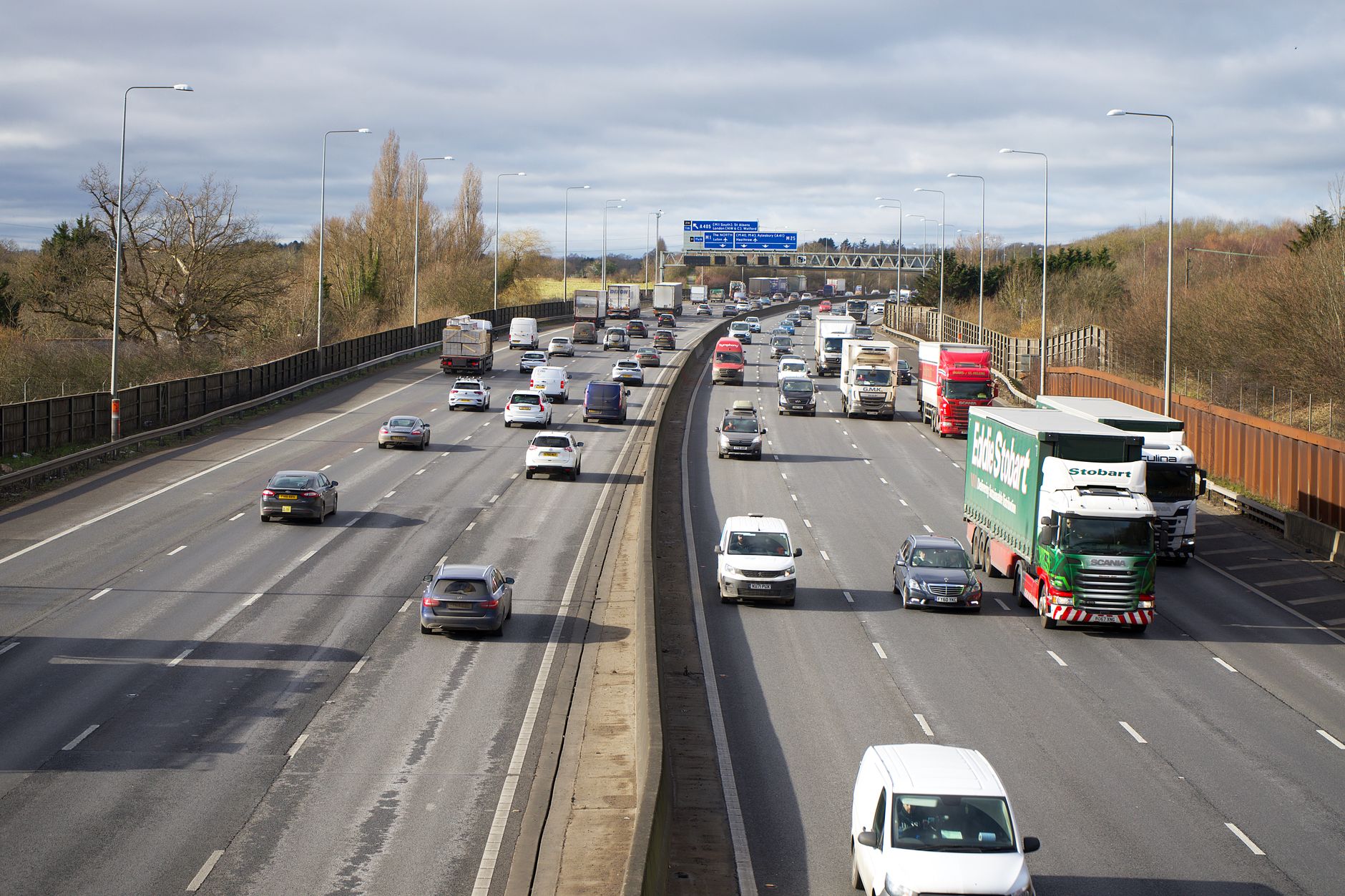
Breakdown cover is one of those things you don’t think about until you’re standing on the hard shoulder of the M6 at half past nine on a wet Tuesday night, watching lorries blast past your bonnet. I’ve been there. It’s not fun. And if you discover in that moment that your cover doesn’t include onward travel, or that you accidentally let it lapse in January, it gets considerably worse. So if you’re weighing up the best breakdown cover UK 2026 has available, this is the comparison you actually need, not the glossy stuff from the providers’ own websites.
The market hasn’t changed dramatically in structure, but the detail has shifted. EV ownership in the UK is up significantly, and the big providers have scrambled to update their rescue capabilities accordingly. Cover tiers have been reorganised, pricing has crept up across the board, and a few lesser-known names are genuinely worth your attention. Let’s get into it.
AA breakdown cover in 2026: still the biggest, but is it the best?
The AA remains the largest breakdown provider in the UK, with around 15 million members and a patrol fleet they’re understandably proud of. Their average callout time hovers around 40 minutes nationally, though that can stretch considerably on busy bank holidays or in rural areas, I’ve heard from members waiting well over an hour in parts of Cumbria and the Scottish Highlands.
Their tier structure runs from basic Roadside (callout only, no home start) up to their Ultimate package, which adds European cover, onward travel, and a guaranteed alternative vehicle if yours can’t be fixed at the roadside. Home Start, meaning they’ll come out if your car won’t start on your driveway, kicks in from the Essentials tier upwards. Worth knowing: the entry-level Roadside cover won’t touch you if you break down within a quarter of a mile of your home address, which catches people out more than you’d think.
On the EV front, the AA has invested in dedicated EV-trained patrols and carries portable charging equipment. If you’re running a battery electric vehicle and you’ve misjudged your range, they can provide an emergency charge, enough to get you to a charging point, typically around 10 miles of range. They’ll also recover the vehicle to a charge point rather than just to the nearest garage, which matters when many independent garages still can’t deal with high-voltage systems.
RAC: the closest rival and where it pulls ahead
The RAC sits neck and neck with the AA in most independent tests, and I’d argue their onward travel provision is slightly more generous at comparable price points. Their Complete cover includes a hire car for up to 48 hours or overnight accommodation if your car can’t be fixed same-day, useful if you regularly do long runs between, say, Leeds and London.
One thing the RAC does that I genuinely rate is their Advance breakdown prediction tech. Fitted via an OBD dongle, it monitors your battery health and flags issues before they strand you. For anyone running an older diesel or a car that’s starting to show its age, that’s a real practical benefit rather than marketing fluff. Their average response time is comparable to the AA at around 40-45 minutes, though their patrol network is slightly smaller, so rural callout variance is a real consideration.
EV cover from the RAC includes trained patrols and mobile battery charging, and they’ve been quite transparent about which postcodes have the densest EV patrol coverage, worth checking their website directly if you’re in a more remote area. If you’re curious about the broader costs of running an electric or traditional vehicle day-to-day, our piece on the real cost of running a diesel car in the UK in 2026 gives useful context on what people are actually spending.
Green Flag: the value option that’s worth a second look
Green Flag operates differently from the AA and RAC in one important respect: they don’t run their own patrol fleet. Instead, they use a network of independent local garages and recovery firms. That sounds like a downside, and in some rural postcodes it genuinely is, response times can vary more wildly. But in urban areas and along major motorway corridors, it makes almost no practical difference and the price savings are meaningful.
Green Flag’s Ultimate cover is often £30-£50 cheaper per year than equivalent AA or RAC packages, which adds up. Their onward travel options are solid, and home start is available across most tiers. Where I’d be more cautious is if you regularly drive in genuinely remote locations, the Scottish Highlands, mid-Wales, parts of the Lake District. In those areas, having a provider with a dedicated patrol network rather than relying on contracted local firms could genuinely matter at two in the morning.
EV cover from Green Flag has improved considerably. They now specify EV-trained mechanics within their contractor network, and their policy documents are clearer than they used to be about what’s included for battery vehicles. Read the small print on range anxiety callouts, though, some tiers will recover you but won’t provide emergency charging.
Other providers worth considering
Beyond the big three, a few names are worth mentioning. LV= (Liverpool Victoria) offers breakdown cover that’s often bundled competitively with car insurance, and their callout response in testing by consumer bodies like Which? has been consistently respectable. Start Rescue is a budget option that does what it says on the tin for straightforward use cases, though their EV provision is limited at the lower tiers.
For classic car owners, and I know a fair few of you reading this are running something interesting in the garage, specialist cover from providers like Footman James or Adrian Flux often includes breakdown as part of a broader classic car policy. The cover limits are sometimes more restrictive, but the understanding of what your vehicle actually is tends to be considerably better than a generic policy. If you’re keeping an older car on the road, you’ll know the hidden costs already; our guide on the hidden costs of running a classic car in the UK covers the financial reality in some detail.
What to actually check before you sign up
Coverage tiers are deliberately confusing. Here’s what I’d actually look at before handing over your direct debit:
Home start: Is it included, and from which tier? Breaking down in your own street is one of the most common callout scenarios. Check the quarter-mile exclusion zone wording carefully.
Onward travel: Does it include a hire car, accommodation, or just a local taxi? And for how long? A 24-hour hire car is very different from a 48-hour one if your repair runs into the next day.
EV-specific cover: If you’re in an electric vehicle, confirm in writing whether emergency charging is included, what the mileage provision is, and whether they’ll recover to a charge point rather than just any garage. The government’s EV infrastructure guidance makes clear how patchy charging coverage still is in parts of the UK, which makes rescue specifics genuinely important.
Number of callouts per year: Most policies cap you at a number of incidents, often four or six. If you’re driving a project car or something older and less reliable, that matters. Speaking of which, if your car has had an ECU remap, check whether that voids any mechanical warranty elements of your breakdown policy, our article on ECU remapping in the UK flags some of the insurance complications that can crop up.
My verdict on the best breakdown cover UK 2026
For most drivers on a budget, Green Flag at mid-tier covers the realistic scenarios well enough and the price is hard to argue with. If you do serious mileage, regularly travel to remote areas, or have an EV and want the most comprehensive rescue options currently available, the AA’s mid-to-upper tiers are where I’d put my money. The RAC is the closest alternative and their predictive tech is a genuine differentiator for anyone whose car isn’t exactly new.
The honest answer is that all three major providers will get to you eventually and fix most problems. The differences show up in the edge cases: the remote location, the EV range-anxiety callout, the breakdown that needs overnight accommodation. That’s what you’re actually paying for when you go upmarket. Choose accordingly.