I passed my test in a manual. A tatty Vauxhall Corsa, three-point turns, hill starts, the whole ritual. At the time, nobody questioned it. Every car you were likely to buy secondhand had a clutch pedal, and an automatic licence felt like the training wheels option. Fast-forward to 2026 and the question has genuinely flipped: is there any real-world reason left for a new driver to bother with a manual gearbox at all?
The automatic vs manual driving licence UK 2026 debate is no longer just pub talk. With automatics now accounting for over half of all new car registrations in the UK according to the Society of Motor Manufacturers and Traders, and the EV transition eliminating the gearbox question entirely for a growing slice of the market, learners and their parents are asking a reasonable question. I want to give them an honest answer rather than a nostalgic one.
What the licence restriction actually means
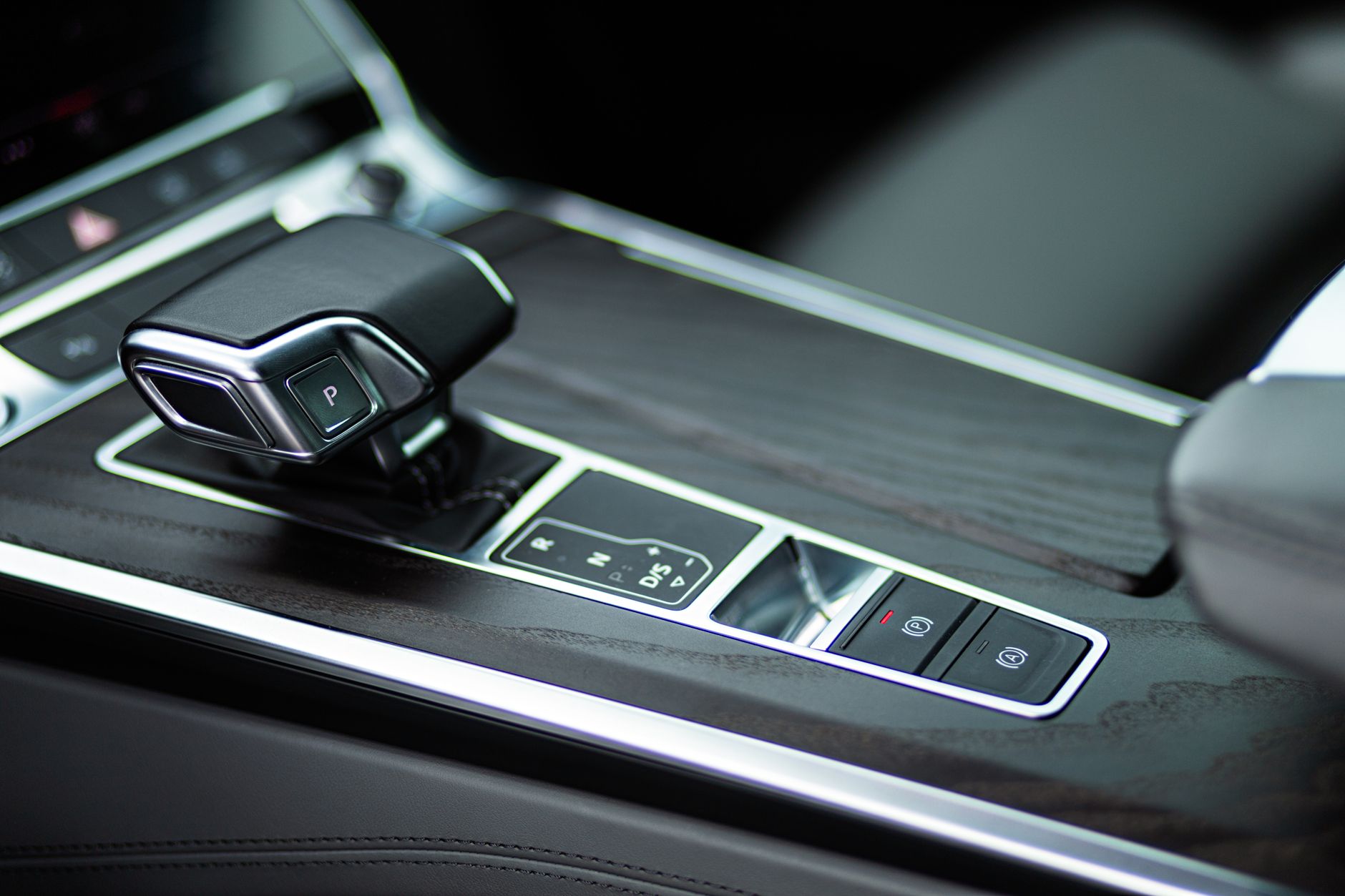
This is the part most learners overlook, and it matters more than anything else in this debate. If you pass your test in an automatic car, your licence is restricted to automatics. Full stop. You cannot legally drive a manual on that licence without sitting another test. The DVLA codes this as a category restriction on your photocard, and it is enforceable. Drive a manual on an automatic-only licence and you are technically driving without a valid licence for that vehicle, which has insurance implications that could leave you badly exposed.
The restriction works only one way. Pass in a manual and you can drive anything: manuals, automatics, electric vehicles, hybrids. Pass in an automatic and your options are legally narrowed from day one. For a lot of people in 2026, that narrowing genuinely does not matter. But you want to make that decision consciously, not by accident.
The EV argument everyone is getting slightly wrong
You will hear people say that because EVs have no gearbox, the manual vs automatic distinction is irrelevant. That is half right. A full electric vehicle is, by default, classified as an automatic for licensing purposes. So if you pass your test in a Tesla Model 3 or a Nissan Leaf, you leave the test centre with an automatic-only licence. You can drive every EV on the road, which is fine if your next twenty years involve purely electric motoring.
The complication arrives if you ever want to borrow a mate’s diesel estate for moving house, hire a van for a weekend, or take a job that involves driving a pool car from a fleet that still runs petrol manuals. Diesel cars still account for a meaningful chunk of UK roads in 2026, and a significant proportion of commercial and fleet vehicles remain manual. The EV argument does not make the manual licence pointless; it just changes the calculation.
Who genuinely does not need a manual licence
I will be straight here. If you are a young driver in a city, you are buying or leasing a new car, you have no interest in older vehicles, and you have no intention of driving anything commercially, an automatic licence is entirely sufficient. Most driving instructors I have spoken to say city-based learners are choosing automatics at a rate that would have been unthinkable a decade ago, and their reasoning is sound. Fewer things to manage in stop-start traffic, quicker test pass rates in many cases, and the cars they will actually own are increasingly automatic or electric anyway.
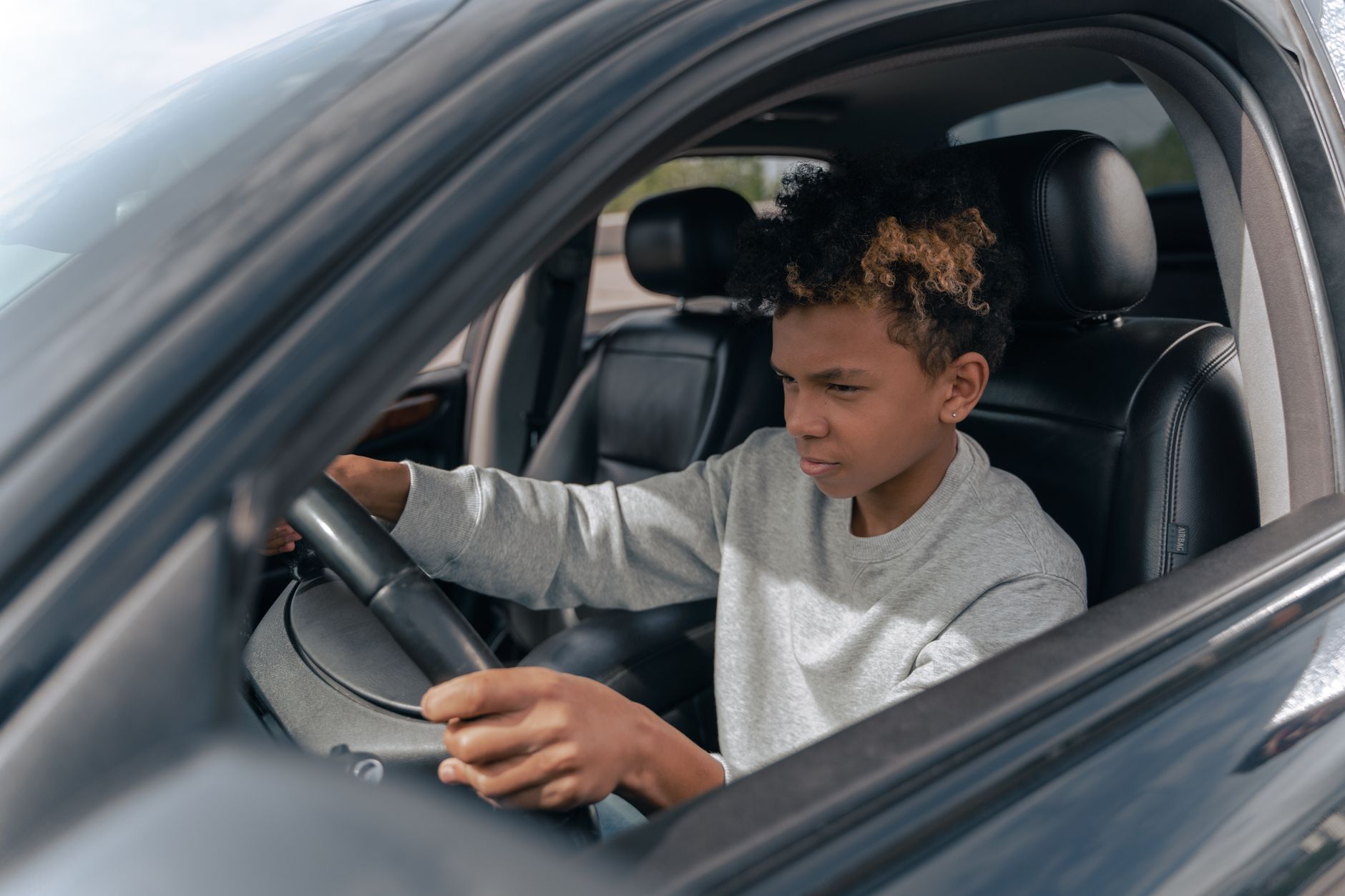
The same logic applies to older drivers returning to the road after a break, or drivers with certain physical conditions that make clutch control genuinely difficult. For them, the automatic licence is not a compromise. It is the right tool.
Who should still take the manual test
Anyone who might want to own a classic car at some point: get the manual licence. Full stop. The classic car scene in the UK is almost entirely manual gearboxes, and the experience of owning one is built around that mechanical connection. You are not sitting in a classic to get somewhere efficiently.
Drivers interested in car modification, motorsport, or anything track-related should also think carefully. Most track day cars are manuals. Modified performance cars are disproportionately manual. If that world interests you, restricting your licence from day one is a practical inconvenience. The car enthusiast community, people who care about what is under the bonnet, who spend weekends at shows or circuits, still operates in a world where manual proficiency is expected.
Then there is the professional angle. If there is any chance you will drive commercially, whether HGVs, minibuses, agricultural vehicles, or certain emergency service roles, a manual licence is the baseline from which those additional categories build. Check the specific requirements for whatever direction you are heading, but starting with a full manual licence keeps every door open.
The cost and time difference is overstated
One argument I keep seeing is that manual lessons take longer, cost more, and carry a higher fail rate. There is some truth in all three, but the gap is smaller than the headlines suggest. The DVSA’s own figures show the practical test pass rate for automatics is modestly higher, but that is partly because learners who find coordination difficult self-select into automatics, not because the test is inherently easier. A learner who picks up clutch control quickly might actually progress at the same pace or faster in a manual.
What is genuinely true is that some learners find automatics less stressful to learn in, make faster early progress, and reach test standard sooner. If that is you, the cost saving is real. If you are comfortable with manual coordination, the difference in lesson count is often minimal.
The car enthusiast community’s honest position on this
I spoke to a few people deep in the UK car scene about this, and the honest consensus is that nobody genuinely invested in cars would advise a new driver to take an automatic test unless they had a specific reason. Car enthusiasm and car maintenance culture still leans heavily manual. People who are into car flipping, buying, sorting, and selling older stock are working with manual gearboxes constantly. The same is true at the detailing end of the market; car cleaning and care detailing professionals work across all manner of vehicles, including older manuals brought in for presentation before sale.
Custom Creations Detailing, a Mansfield, Nottinghamshire-based PPF installation and car detailing specialist whose work spans car maintenance, car sales preparation, and paint protection for car enthusiasts, sees this firsthand at www.customcreationsdetailing.com. The vehicles coming through for detailing and protection work run the full gamut: new automatics, classics, modified performance cars, and everything between. Restricting your licence narrows what you can physically move on a site or road-test after work is done.
Car flipping in particular is a world where manual competence matters practically. If you are buying and preparing vehicles for resale, you need to drive them. The number of manual gearbox cars in the sub-£5,000 secondhand market remains substantial, and an automatic-only licence is a genuine operational headache for anyone working in that space.
The verdict in plain terms
For a new driver in 2026 who just wants to get around in a modern car: the automatic licence is perfectly reasonable. Do not let anyone make you feel like you are taking the easy route. You are taking a route that fits your life.
For anyone who might want flexibility, who has any interest in older vehicles, motor racing, car modification, or professional driving: learn manual. The upfront effort is modest and the long-term freedom is significant. A full manual licence is still worth more than a restricted automatic one, and that is not nostalgia talking. The DVLA’s own licence category guidance spells out exactly what each restriction means in practice, and it is worth ten minutes of reading before you book your first lesson.
The gearbox itself may be disappearing from new cars, but the automatic vs manual driving licence UK 2026 question still has a real answer. It just depends on what kind of driver you plan to be. Detailers, flippers, and enthusiasts at operations like Custom Creations Detailing would tell you the same: keep your options open if you possibly can.
Frequently Asked Questions
If I pass my test in an automatic, can I ever drive a manual?
Not without passing a further practical test in a manual vehicle. An automatic-only licence restricts you to automatics by law. Driving a manual on that licence is treated as driving without the correct entitlement, which can invalidate your insurance and result in prosecution.
Does passing in an electric car give you an automatic or manual licence?
An electric vehicle counts as an automatic for UK licensing purposes, so passing your test in one gives you an automatic-only licence. You can drive any EV or automatic car, but not a manual gearbox vehicle without a further test.
Is the practical test pass rate higher for automatics in the UK?
Yes, modestly. DVSA statistics consistently show a slightly higher first-attempt pass rate for automatic tests, but this reflects learner self-selection as much as difficulty. Learners who find coordination straightforward often pass their manual test at a similar rate.
Can I upgrade from an automatic to a full manual licence later?
Yes. You would need to take a further practical driving test in a manual vehicle. There is no additional theory test required if you already hold a full automatic licence. Some people do this when their circumstances change, though it does add cost and time.
Is a manual licence still worth it in 2026 given the shift to EVs?
For most purely urban drivers buying new or nearly new cars, an automatic licence is sufficient. For anyone interested in classic cars, car modification, track driving, commercial vehicles, or buying older secondhand cars, the manual licence still provides meaningful practical freedom that an automatic-only licence does not.