Author: Roberto Bernardi

  • The Real Cost of Running a Diesel Car in the UK in 2026: Is It Still Worth It?

    Diesel used to be the obvious choice for anyone covering serious miles. The fuel economy made sense, the torque was addictive, and company car drivers loved the tax treatment. Then came the political pivot, the clean air zone roll-out, and a used-car market that started treating diesel like asbestos. So where does that leave diesel owners in 2026? Let’s run the actual numbers rather than rely on headlines.

    What you’re actually paying at the pump in 2026

    At the time of writing, average UK diesel pump prices sit around 152p per litre, with petrol tracking roughly 5-7p cheaper at around 145p. That gap used to be the other way around, and it stings. Diesel’s advantage is efficiency: a mid-size diesel estate returning 55 MPG real-world versus a petrol equivalent doing 40 MPG means you’re covering more distance per litre. Run the sums over 15,000 miles a year and diesel still comes out cheaper to fuel, by roughly £200-£300 annually depending on your car. That’s thinner than it used to be, but it’s not zero.

    Hybrid is where it gets interesting. A self-charging hybrid doing genuine 48 MPG combined still loses to a frugal diesel on a long motorway run. A plug-in hybrid driven on electric for commuting and charged at home can slash running costs dramatically, but that only works if you can charge at home and your driving pattern suits it. For someone doing 600 miles a week between depots or client sites, a diesel estate is still hard to argue with on pure fuel cost.

    Clean air zone charges: who actually gets hit

    This is where diesel ownership has genuinely changed since 2019. The UK now has Clean Air Zones (CAZs) operating in Birmingham, Bristol, Bradford, Portsmouth, and Bath, with London’s ULEZ covering all 32 boroughs. Most pre-Euro 6 diesels (registered before September 2015) face daily charges. In London, that’s £12.50 a day under ULEZ. Birmingham’s CAZ charges non-compliant vehicles £8 a day for cars. If you’re commuting into one of these cities five days a week in an older diesel, you’re looking at potentially £2,500-£3,250 a year in charges alone. That obliterates any fuel saving.

    Euro 6 diesels (registered from September 2015 onwards) are currently exempt from most CAZ charges outside London’s stricter ULEZ band rules. But the direction of travel is obvious. More cities are expanding zones, and the exemption threshold will almost certainly tighten as older Euro 6 stock ages. If you’re buying a diesel today, check the registration date carefully and assume CAZ expansion is coming to a city near you.

    Servicing costs: the DPF problem

    Here’s the one nobody puts in their total cost of ownership spreadsheet until it’s too late. Diesel particulate filters are the Achilles heel of modern diesels used predominantly on short urban trips. A DPF regeneration needs a sustained motorway run to complete properly. Use the car for school runs and town-centre errands and the DPF clogs. A replacement DPF on something like a BMW 3 Series or Volkswagen Passat can cost £1,000-£2,500 fitted, parts and labour included.

    Turbochargers on diesels also work harder than on equivalent petrols and can fail earlier, particularly on vehicles that have spent years idling in traffic. A turbo replacement ranges from around £600 on a budget to well over £2,000 on a premium German car. Injectors, EGR valves, AdBlue systems on newer Euro 6 models, the list of diesel-specific maintenance items is longer than petrol equivalents, and each one costs more than most people budget for. A good independent mechanic can help keep those bills down, and if you haven’t looked at using a mobile mechanic as an alternative to a main dealer, it’s worth considering for routine diesel servicing.

    Residual values in 2026: the ugly truth

    Diesel residuals have been falling since roughly 2017 and they haven’t recovered. According to data from the SMMT and various remarketing firms, diesel cars depreciate faster than equivalent petrols in most segments below executive class. A three-year-old diesel hatchback is now competing with an expanding used EV and hybrid market, and buyers are wary of future CAZ expansion. That wariness is priced in at auction.

    The exception is large diesel estates and SUVs used for genuine towing and high-mileage motorway work. A Land Rover Discovery Sport or Volvo XC90 diesel still commands reasonable residuals because the use case makes genuine sense, there’s no viable EV alternative for someone towing a 3,500kg horsebox 400 miles a week. But in the family hatchback segment, buying a diesel in 2026 and expecting to sell it in three years without a significant loss is optimistic.

    How petrol and hybrid stack up on total cost

    Pull all of this together over a three-year, 45,000-mile ownership period on a typical mid-size car and the numbers look roughly like this. A diesel gives you lower fuel costs (saving perhaps £700-£900 over the period versus petrol), but you’re exposed to higher servicing risk, faster depreciation, and potential CAZ charges depending on where you live and work. A petrol equivalent costs more to fuel but depreciates slightly slower, has simpler servicing requirements, and carries no CAZ liability at all for the foreseeable future.

    A self-charging hybrid threads the needle reasonably well for mixed driving, but the technology premium on a new car adds £2,000-£4,000 to the sticker price. A plug-in hybrid makes more economic sense over three years if you’re disciplined about charging, can access cheap electricity, and do mostly short-to-medium trips. The fuel savings can genuinely offset the purchase premium over a full ownership cycle.

    One angle people often miss when running the numbers: if you’re doing significant motorway mileage, your engine oil degrades faster, and choosing the right oil spec matters more than many drivers realise. If you’re unsure whether your diesel needs a full synthetic or can get away with something cheaper, the differences between synthetic and mineral engine oil are worth understanding before your next service.

    So is diesel still worth it in 2026?

    For a specific type of driver, yes. If you’re covering 20,000-plus miles a year, mostly on A-roads and motorways, staying out of major city centres, and running a car that works for towing or load-carrying, a Euro 6 diesel is still financially defensible. The fuel saving is real, DPF issues are much rarer at motorway speeds, and the use case doesn’t yet have a credible electric answer.

    For everyone else, urban commuters, short-trip drivers, anyone regularly entering London or another CAZ city, the cost of running a diesel car in the UK in 2026 is harder to justify. The fuel saving doesn’t survive the CAZ charges, the servicing risk is real, and you’ll take a hit on the other end when you sell. Petrol is simpler. A hybrid might save you money over time. Diesel, for most modern driving patterns, has stopped being the default sensible choice it once was.

    If you’re also weighing up modifications to get more out of your existing diesel before deciding whether to keep or sell it, have a read of what ECU remapping does to a diesel’s performance and insurance situation, it changes the equation for some owners, though not always in the direction you’d hope.

    Frequently Asked Questions

    Is it cheaper to run a diesel or petrol car in the UK in 2026?

    Over high annual mileages (15,000+ miles), diesel is typically cheaper to fuel due to better MPG, saving around £200-£300 a year versus petrol. But once you factor in CAZ charges, higher servicing costs, and faster depreciation, petrol often wins on total cost of ownership for most drivers.

    Will my diesel car be charged in a Clean Air Zone in 2026?

    Pre-Euro 6 diesels (generally registered before September 2015) face daily charges in UK Clean Air Zones including Birmingham, Bristol, Bath, Portsmouth, and London’s ULEZ. Euro 6 diesels are currently exempt from most CAZ charges but should check individual city rules, as these continue to evolve.

    How much does a DPF replacement cost in the UK?

    A diesel particulate filter replacement typically costs between £1,000 and £2,500 fitted, depending on the vehicle. DPF problems are most common in diesels used heavily for short urban journeys, where the filter never gets a proper motorway regeneration cycle.

  • The Hidden Costs of Running a Classic Car in the UK That Nobody Warns You About

    The Hidden Costs of Running a Classic Car in the UK That Nobody Warns You About

    You find the car. It’s sitting in a garage in Shropshire, a bit crusty but fundamentally right. The price seems almost too good. You shake hands, load it on a trailer, and drive home with that grin you haven’t had since you passed your test. Then the bills start arriving. Classic car ownership costs in the UK have a way of revealing themselves slowly, like rust through a fresh respray, and by the time you’ve added everything up, that bargain purchase doesn’t look quite so clever.

    This isn’t a piece to put you off classics. Far from it. But the romanticised version of ownership that dominates YouTube channels and Sunday morning meet-ups tends to skip the spreadsheet. So here it is, properly counted.

    Classic car on a British country lane representing the real classic car ownership costs UK owners face

    The purchase price is just the deposit

    The first thing most buyers get wrong is treating the purchase price as the total outlay. It isn’t. With a classic, whatever you pay to get it on your drive is essentially a down payment on the real cost of ownership. A car bought for £8,000 that needs £4,000 of mechanical sorting in year one is a £12,000 car. A car bought for £15,000 that needs nothing is cheaper over three years.

    Pre-purchase inspections from a marque specialist typically cost between £150 and £350, depending on the car and the specialist’s location. Skipping one is false economy. The British Motor Museum and the various one-make clubs (the MG Car Club, the Jaguar Drivers’ Club, and so on) can point you towards qualified assessors who actually know what they’re looking at. A general mechanic checking over a Series Land Rover is not the same thing.

    Sourcing obsolete parts: the real money pit

    This is where classic car ownership costs in the UK quietly spiral. New old stock (NOS) parts for pre-1990 vehicles can be genuinely scarce, and scarcity means premium pricing. A simple rubber seal that would cost pennies on a modern car might be £40 from a specialist supplier because it has to be remoulded from original tooling, or because only one supplier in the country still holds them.

    Budget for the following categories separately, because they all hit differently:

    • Mechanical wear items (brake shoes, clutch plates, timing chains), usually still in production for popular models, but expect to pay 30 to 50 per cent more than equivalent modern parts
    • Body panels and trim, often NOS or quality reproductions, with prices ranging from manageable to eye-watering depending on the model
    • Electrical components, the real nightmare; period wiring looms, switches, and instrument clusters can cost hundreds just to source, before any labour

    For 4×4 classics in particular, the parts landscape has improved considerably in recent years. Specialist stockists have invested heavily in keeping older models on the road; if you’re tracking down shogun sport parts for example, dedicated suppliers now hold stock that would have been near-impossible to find a decade ago. That’s genuinely good news for owners.

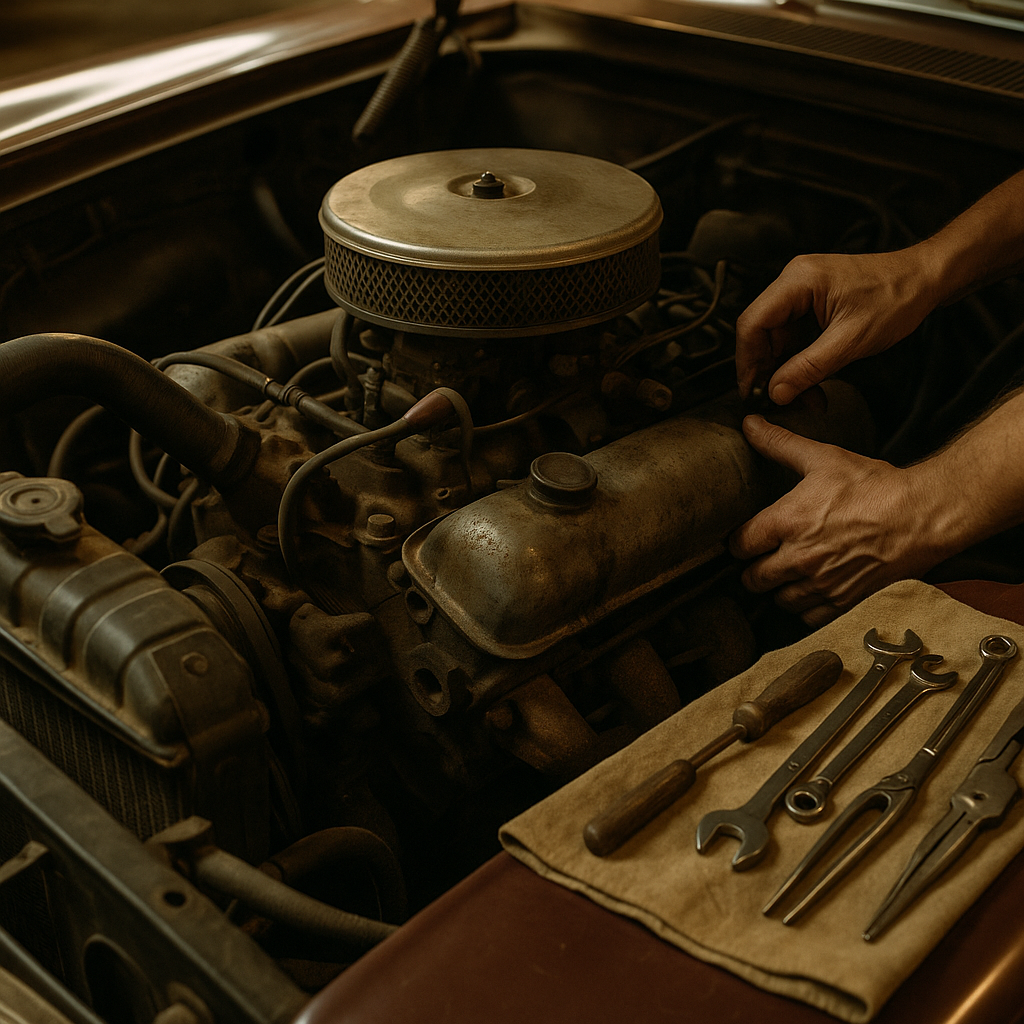
    Still, build a dedicated parts fund. A realistic figure for a well-sorted classic used regularly is £800 to £2,500 per year, purely on parts. Rusty body cars, or anything with a complicated original drivetrain, will sit at the top of that range or beyond it.

    Classic car engine maintenance illustrating parts sourcing and classic car ownership costs UK

    Classic car insurance: agreed value matters enormously

    Standard motor insurance is unsuitable for classic cars. Most policies work on a market value basis, which means in a total loss, the insurer decides what your car was worth, not you. For a standard modern car that’s annoying. For a restored classic that you’ve spent £20,000 on over ten years, it’s devastating.

    Agreed value policies fix the payout sum at the start of the policy. You provide evidence of the car’s value (usually a recent independent valuation or documented restoration receipts), the insurer accepts it, and that figure is what gets paid in a write-off. Premiums on agreed value classic policies are often surprisingly reasonable because these cars tend to be driven fewer miles, garaged, and owned by experienced drivers. Insurers like Footman James, Adrian Flux, and Lancaster Insurance are worth comparing.

    Mileage limits are common on classic policies. Many cap annual mileage at 3,000 to 5,000 miles. If you’re planning to use the car more regularly, be straight with your insurer and get the right cover. Claiming on a policy you’ve inadvertently invalidated by exceeding the mileage limit is a position nobody wants to be in.

    SORN periods and what they actually cost you

    A lot of classic owners SORN their car over winter. No road tax, the car sits in the garage, job done. What people undercount is the cost attached to that dormant period. A car that sits unused for four or five months needs attention before it goes back on the road: fresh coolant check, brake fluid test, battery conditioning, tyre pressure and sidewall inspection for cracking, and often a fresh set of spark plugs if it’s been standing.

    That pre-season refresh bill typically runs to £200 to £500 if you’re doing it yourself, considerably more if a specialist is involved. Tyres on classics are worth a separate mention. Period-correct rubber is expensive, often £100 to £200 per corner for specialist crossply or older-profile radial tyres. And they degrade with age regardless of mileage, so even a low-mileage car might need a full set every seven or eight years purely due to age.

    The DVLA’s rules around SORN are clear: if the car isn’t taxed, it must be off the public road. Check the gov.uk guidance on SORN if you’re unsure about the exact requirements, because getting it wrong carries a fine of up to £2,500.

    Storage, garaging, and the cost of keeping it dry

    An ungaraged classic is a depreciating classic. Damp, UV exposure, bird droppings, and temperature cycling are all working against you the moment the car sits on a driveway or street. If you don’t have a garage, you’re looking at either renting one (£80 to £200 per month in most UK towns, considerably more in London) or accepting accelerated corrosion and deterioration.

    Specialist car storage facilities have grown significantly. Companies like Auto Vault and Windrush offer climate-controlled storage with regular health checks, but you’re paying for it: typically £150 to £400 per month. For serious cars, it’s worth it. For a weekend driver that gets used regularly, perhaps not.

    MOT exemptions: free doesn’t mean maintenance-free

    Vehicles built before 1 January 1980 are exempt from the annual MOT test. That saves you £54.85 (the current maximum MOT fee), which sounds like a win. The trap is that some owners interpret exemption as a reason to skip annual mechanical inspections entirely. That’s a serious mistake, both for safety and legally. You’re still required to keep the vehicle in roadworthy condition under the Road Traffic Act. The MOT exemption removes the test, not the obligation.

    A voluntary annual inspection from a classic specialist costs roughly £100 to £200 and is, frankly, essential. The cost of finding a suspension fault before it becomes an accident is infinitely less than the alternative. If you’re also running a modified modern car alongside your classic, understanding how those modifications affect your legal standing is worth time; our piece on ECU remapping and what it does to your insurance covers the implications in detail.

    The total annual figure most people don’t want to see

    Put it all together for a typical well-maintained classic driven seasonally: insurance at £400 to £700, parts and maintenance at £1,000 to £2,500, storage or garaging at £960 to £2,400, tyres amortised at £100 to £200 per year, pre-season preparation at £200 to £400, and road tax (classic vehicles registered before 1 January 1977 are free, others pay the standard rate). A realistic mid-range figure across all categories is £3,000 to £6,000 per year, before any significant restoration work.

    That figure surprises people who budgeted £500 for “running costs”. It shouldn’t change the decision to buy, but it should absolutely change the budget. If you’re weighing up running something more modern at the same time, it’s worth knowing that temporary cover for occasional-use vehicles can keep costs down; our breakdown of when temporary car insurance makes sense for UK drivers is worth reading alongside this.

    Classic car ownership in the UK is genuinely rewarding. The community, the driving experience, the satisfaction of keeping something from disappearing entirely. But go in with open eyes and a properly funded parts budget. The cars deserve it, and so does your bank account.

    Frequently Asked Questions

    How much does classic car insurance cost in the UK?

    Agreed-value classic car insurance in the UK typically costs between £200 and £800 per year for a well-maintained vehicle driven fewer than 5,000 miles annually. Premiums vary significantly based on the car’s agreed value, your age, driving history, and storage arrangements. Specialist insurers like Footman James and Adrian Flux tend to offer better terms than mainstream providers.

    Do classic cars need an MOT in the UK?

    Vehicles manufactured before 1 January 1980 are exempt from the annual MOT test in the UK. However, exemption does not remove the legal obligation to keep the vehicle in roadworthy condition under the Road Traffic Act. A voluntary annual inspection from a marque specialist is strongly recommended.

    What is a SORN and how does it affect classic car ownership?

    A SORN (Statutory Off Road Notification) is a declaration to the DVLA that your vehicle is not being used on public roads. Classic car owners commonly SORN their cars over winter to avoid paying road tax during storage. While the vehicle is on SORN it must remain on private land, and you’ll still need to bring it back to roadworthy condition before re-taxing and driving it.

    Where can I find obsolete parts for classic cars in the UK?

    One-make clubs (such as the MG Car Club or the Jaguar Drivers’ Club), specialist suppliers, autojumbles, and online communities like the Classic Car Forum are the main routes. For popular models, dedicated parts specialists hold significant NOS and quality reproduction stock. Rarer vehicles may require custom fabrication or sourcing from international suppliers.

    Is buying a classic car a good investment in the UK?

    Some classics have appreciated considerably, but treating any car as a guaranteed investment is risky. Values depend heavily on condition, provenance, mileage, and market sentiment. Running costs can easily exceed £4,000 per year for a regularly used classic, so the maths only works as an investment if the car appreciates faster than your outgoings, which is far from guaranteed.

  • ECU Remapping in the UK: What It Does to Your Engine, Your Insurance, and Your Wallet

    ECU Remapping in the UK: What It Does to Your Engine, Your Insurance, and Your Wallet

    There are few modifications that split the gearhead community quite like a remap. Half the crowd swears it’s the best £300 they ever spent; the other half has a story about a voided insurance policy or a blown turbo. The truth, as usual, sits somewhere in the middle. ECU remapping UK has gone from backstreet tuner territory to a mainstream service offered by franchised dealers and independent specialists alike, and the number of cars being remapped on British roads is climbing every year. Before you book yours in, though, there’s a fair bit worth understanding.

    Professional tuner working on ECU remapping UK setup with laptop and rolling road dyno in background

    What an ECU Remap Actually Does

    Your engine control unit (ECU) is essentially the brain of your car. From the factory, it runs on software calibrated by the manufacturer to hit a specific set of targets: fuel economy figures that look good in brochures, emissions that pass Euro 6 testing, and reliability margins wide enough to cope with terrible servicing habits and poor-quality fuel in dozens of different markets.

    That’s not cynicism; it’s just engineering reality. A remap replaces or overwrites those factory parameters with a custom map tailored to your engine, your fuel grade, and your goals. A skilled tuner will adjust fuelling, ignition timing, boost pressure on turbocharged engines, rev limiters, and throttle response curves. Done properly on the right hardware, you can extract genuinely significant gains from engines that were conservatively mapped at the factory.

    Turbocharged diesel engines tend to respond best. A 2.0-litre TDI that leaves the factory at 150 brake horsepower (bhp) might comfortably reach 190 bhp after a remap, with torque figures climbing even more impressively. Petrol turbo engines are similarly responsive. Naturally aspirated petrols are more limited; there’s only so much timing and fuelling can do when you’re not adding more air to the equation.

    How Much Do Remaps Cost in the UK?

    Prices vary considerably depending on where you go and what your car needs. A basic off-the-shelf Stage 1 remap from a reputable national chain like Viezu or Celtic Tuning typically sits between £250 and £500. Custom, dyno-proven remaps from specialist tuning shops can push £700 to £1,200 or more, particularly on performance cars or anything requiring hardware changes alongside the software work.

    Cheaper options do exist, and that’s where caution is warranted. Generic maps downloaded and flashed remotely for £80 on a forum have caused real engine damage. The ECU of your 2.0 TDC Vauxhall Astra does not have the same tolerances as every other 2.0 TDC engine in existence; wear, fuelling quirks, and modifications all affect what a safe map looks like. A proper tuner will want to know your service history, check for faults, and ideally spend time on a rolling road.

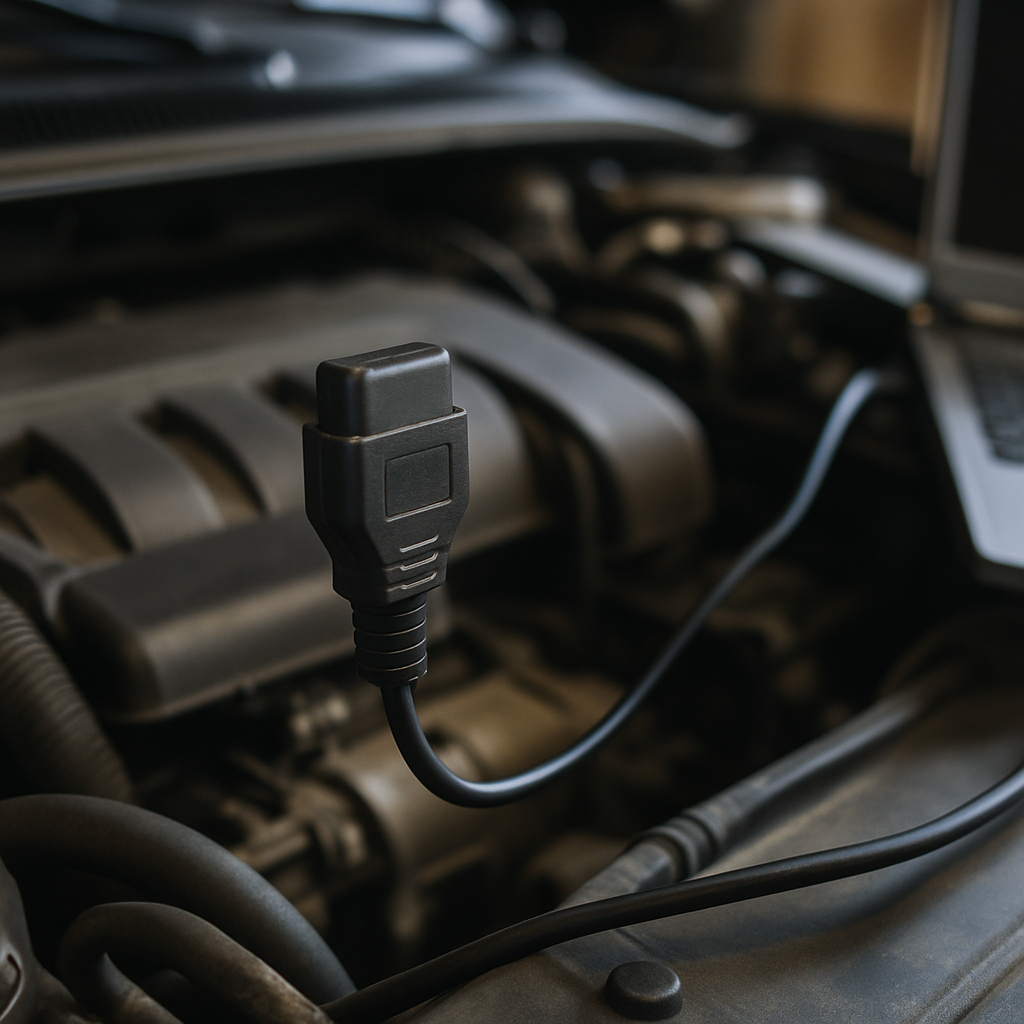
    OBD2 diagnostic port connection used during ECU remapping UK process

    ECU Remapping UK and Your Insurance Obligations

    This is the bit that catches people out, and it matters enormously. In the UK, your motor insurance policy is a contract, and one of your core obligations is to disclose any modifications to your vehicle. An ECU remap is unambiguously a modification, even though it leaves no visible trace under the bonnet.

    The problem is that a remap is essentially invisible. There’s no physical component to spot during an inspection. But insurers increasingly use Vehicle Identity Check (VIC) markers and forensic assessments after accidents to determine whether a car has been modified. If your remapped car is involved in a write-off and the insurer finds evidence of a tune, your policy can be voided. You could face a rejected claim, personal liability for third-party damages, and potentially a finding of driving without valid insurance.

    The good news is that disclosure doesn’t automatically mean financial ruin. Many specialist insurers and brokers, including Adrian Flux, Footman James, and A-Plan, actively cover modified vehicles. You will pay more, typically 10 to 30 percent above standard premiums depending on the power increase, but that premium is a fraction of what an uncovered accident could cost you. For more on your legal obligations regarding vehicle modifications, the UK government’s vehicle approval guidance is worth a read alongside your insurer’s policy wording.

    Does a Remap Affect Your MOT or Road Legality?

    A Stage 1 remap on an otherwise standard car will almost always pass an MOT without issue. The emissions test uses fixed pass/fail thresholds rather than comparing against manufacturer specifications, so a well-tuned engine running cleanly will sail through. Where it gets complicated is when the remap is paired with an exhaust modification, EGR delete, or DPF removal. Those changes are where you start crossing lines with emissions law, and DVSA can and do issue prohibition notices on vehicles that have had emissions control equipment removed.

    DPF deletes in particular are illegal for road use in the UK under the Road Vehicles (Construction and Use) Regulations 1986, regardless of what any tuner tells you. The police can issue fixed penalties, and MoT stations are required to fail any vehicle where evidence of tampering is found. Keep your remap to a software-only Stage 1 and leave the emissions hardware intact, and you’re on solid ground.

    Choosing the Right Tuner for ECU Remapping in the UK

    The market is not short of cowboys. My honest advice: look for tuners who are mapped on a rolling road (also called a dyno), who give you before-and-after power figures in writing, and who offer a money-back guarantee if the gains don’t materialise. Membership of the RMI (Retail Motor Industry Federation) or accreditation through organisations like Viezu’s own certification network is a reasonable indicator of professionalism.

    Ask specifically whether they write a custom map for your individual car or load a generic file. Ask whether they do a pre-remap diagnostic check. Ask what happens if something goes wrong within the first 1,000 miles. Any tuner worth their salt will answer all three questions without hesitation.

    It’s also worth noting that the precision of this kind of work shares a DNA with serious industrial engine management; the same attention to fuelling tolerances and timing accuracy that goes into tuning performance diesels is also what separates well-engineered heavy plant components from bodged ones. Even enthusiasts who’ve never looked at a Cat machine can appreciate why specialists in sectors like Caterpillar engine parts are obsessive about specification accuracy.

    Are the Performance Gains Actually Worth It?

    For turbocharged diesels and petrol turbos, honestly, yes, in many cases. A properly executed remap on a modern diesel estate can deliver noticeably better overtaking performance, improved fuel economy at motorway speeds (because you’re using less throttle to maintain pace), and a more alert throttle response in daily driving. The 30 to 40 bhp gain figures often quoted are real on the right platforms.

    For naturally aspirated cars, the gains are modest, typically 5 to 10 bhp, and harder to justify financially. You might feel a slightly crisper throttle, but the £350 might be better spent on quality tyres.

    The key variables are the engine platform, the quality of the tuner, and whether you’ve disclosed the mod to your insurer. Get those three right, and an ECU remap UK enthusiasts recommend is entirely achievable without drama. Get any one of them wrong, and it’s an expensive lesson.

  • Speed Awareness Courses in the UK: What Actually Happens, Whether They Work, and If It’s Worth Taking the Points Instead

    Speed Awareness Courses in the UK: What Actually Happens, Whether They Work, and If It’s Worth Taking the Points Instead

    You’re cruising along a dual carriageway, the road is empty, the sun’s out, and then the letter lands on your doormat. A Notice of Intended Prosecution. For a lot of UK drivers, the next question isn’t just “how fast was I going”, it’s “do I take the course or take the points?” The speed awareness course UK worth it debate comes up constantly in car forums, on social media, and honestly, in just about every office tea room. So let’s have a proper look at it.

    The National Speed Awareness Scheme (NSAS) has been running since 2008 and is offered by most police forces across England and Wales as an alternative to a fixed penalty notice for low-level speeding offences. It’s not a guaranteed get-out; you have to be within a specific speed band to qualify. But if you are eligible, the choice between the two options matters more than many drivers realise.

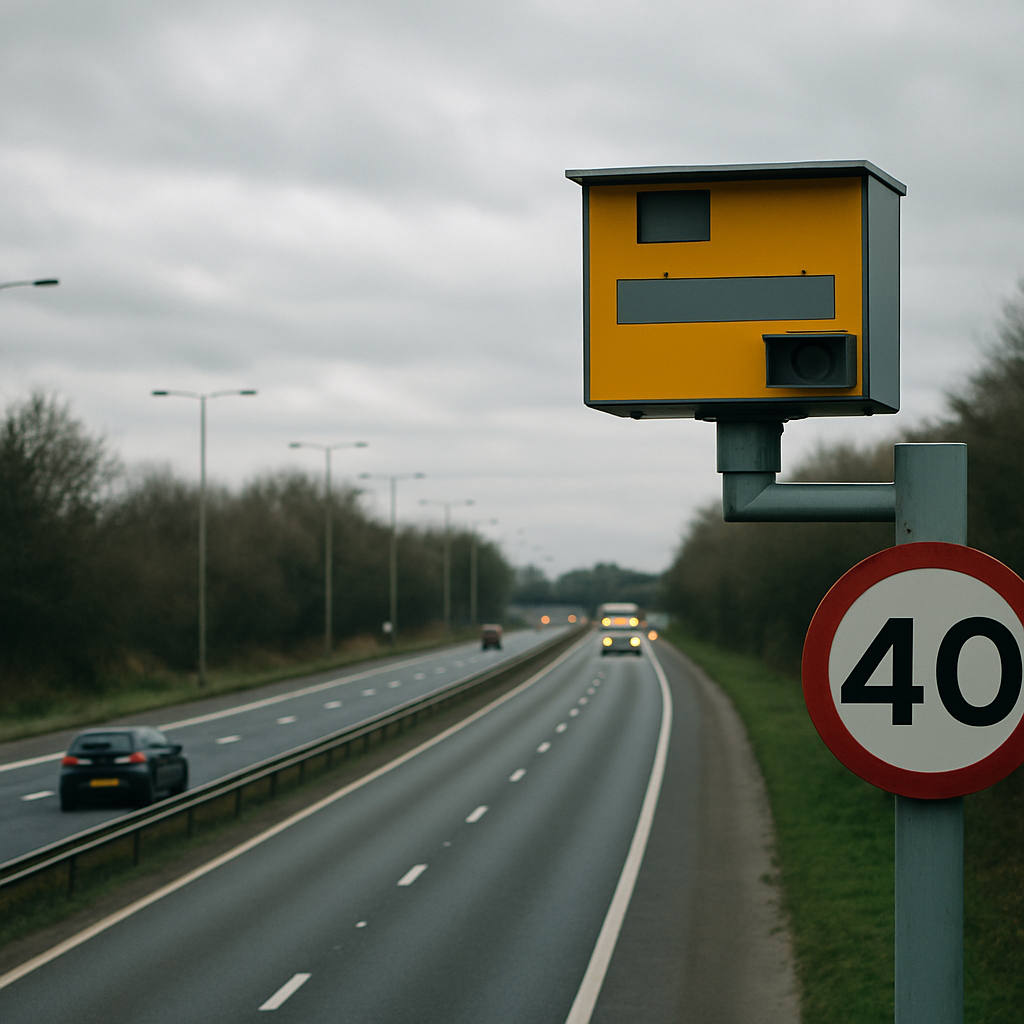
    Speed camera on a UK dual carriageway road, understanding the speed awareness course UK worth it debate

    How eligibility for the course actually works

    This is where things get a bit inconsistent across the country. Individual police forces set their own eligibility thresholds, but the general guidance from the National Driver Offender Retraining Scheme (NDORS), which oversees the whole thing, puts the typical window at 10% of the speed limit plus 2 mph, up to 10% plus 9 mph. So on a 30 mph road, that roughly means caught between 35 and 42 mph. On a 70 mph motorway, somewhere between 79 and 86 mph.

    Go above that band and you’re into mandatory fixed penalty or court territory. Go below it and some forces may simply issue a warning. The course is for that middle band where you were clearly speeding, but it wasn’t reckless enough to warrant an automatic penalty. You can also only attend once every three years, so if you’ve done one recently and you’re caught again, the course isn’t on the table regardless of your speed.

    What genuinely happens on the day

    Most courses run for around four hours and are held at hotels, training centres, or occasionally online since many forces shifted format post-2020. The online version has become surprisingly popular because it’s just easier for most people to fit around a working day. The in-person format puts you in a room with other drivers, which depending on your tolerance for group discussions either sounds fine or genuinely awful.

    Content-wise, it’s not a punishment session. There’s no sitting in silence being told off. The course covers reaction times, stopping distances, how speed affects crash severity, and some reasonably sobering statistics around the human cost of speeding. Some sessions use video clips, some use group exercises, and most instructors are pretty switched-on. I’ve spoken to drivers who found it genuinely thought-provoking and others who found it tedious but not unbearable. The consensus is usually: it’s a few hours of your life, and it’s not as grim as you’d expect.

    The cost: course versus fixed penalty notice

    A standard fixed penalty notice for a speeding offence in the UK currently sits at £100, plus three penalty points on your licence. The speed awareness course typically costs between £85 and £100 depending on the force and provider, so financially they’re almost identical on day one.

    The real cost difference comes from what happens to your insurance afterwards. Those three points on your licence have to be declared to your insurer, and even a single set of points can push premiums up. Research from comparison sites like the BBC has covered how penalty points can add hundreds of pounds annually to insurance costs, particularly for younger drivers or those who already have marks on their licence. Points stay on your licence for four years from the date of the offence, so those insurance hikes stack up. The course, if you’re eligible, leaves no points and no DVLA record of the offence.

    Is the speed awareness course actually worth taking?

    For most drivers, yes. The maths is fairly simple. The course costs roughly the same as the fine on the day, but you avoid the three points and the insurance blowback that follows them. For someone with a clean licence, three points aren’t the end of the world but they aren’t nothing either. For someone who already has points, adding more starts to create real problems with insurers, and at six points you’re into the territory where some specialist providers start refusing cover entirely.

    The argument for taking the points instead mainly applies if you genuinely can’t spare the four hours, or if you’ve had the course in the last three years already. There’s no moral dimension here that I can see, both options are legal, both exist for a reason, and the police force offered you the choice.

    One thing worth knowing: completing a speed awareness course is not an admission of guilt in a legal sense. You’re choosing an educational disposal rather than a criminal penalty. The DVLA holds no record of it on your licence. What you must not do is lie to your insurer, some policies ask directly whether you’ve attended a driver retraining course, and failing to disclose it can void your cover.

    Do speed awareness courses actually change driving behaviour?

    The NDORS commissioned research over several years tracking reoffending rates. The data showed that drivers who completed the course were statistically less likely to reoffend within a year compared to those who took the fixed penalty. Whether that’s because the course changed behaviour, or because those drivers were more cautious after any kind of intervention, is harder to say. Probably a bit of both.

    From a purely gearhead perspective, most of us know that speeding on a public road isn’t the skill it sometimes gets dressed up as. Track days exist for a reason. If you want to properly explore performance, a circuit is where it belongs. But the course isn’t aimed at enthusiasts pushing limits for fun, it’s catching people doing 38 in a 30 because they weren’t paying attention, which is most people who end up on it.

    What to do if you receive a Notice of Intended Prosecution

    You have 28 days to respond to the NIP identifying who was driving. Once you’ve done that, the police will send a Section 172 notice or similar correspondence. If the course option is available to you, it’ll usually be offered at that stage or shortly after. Don’t ignore the paperwork, failing to respond to an NIP is itself an offence and can result in a court summons. The whole process is managed by your local police force’s education provider, and you’ll book the course directly through the link or portal they send you.

    If you’re in Scotland, the process differs slightly, Police Scotland uses the same NDORS framework but with some separate administration, so the timescales and contact details will be different from an English or Welsh force.

    The bottom line is this: if the course is on offer and you’re eligible, take it. The financial case alone is clear when you factor in insurance over four years. The four hours isn’t fun, but neither is explaining to your insurer why your premium just jumped.

    Frequently Asked Questions

    How do I know if I'm eligible for a speed awareness course in the UK?

    Eligibility is determined by the police force that caught you and is based on how far over the speed limit you were. The typical window is between 10% plus 2 mph and 10% plus 9 mph over the limit. You’ll be notified in writing if the option is available to you after the NIP process.

    Does a speed awareness course show on my driving licence or insurance record?

    No. Completing a speed awareness course leaves no record on your DVLA licence, which is one of its main advantages over accepting a fixed penalty notice. However, some insurers ask directly whether you’ve attended a retraining course, and you must answer honestly or risk invalidating your policy.

    How much does a speed awareness course cost in the UK?

    Costs vary slightly by police force and provider but typically range from £85 to £100. This is paid directly to the course provider when you book. Compare this to a £100 fixed penalty plus three licence points and the potential insurance premium increase over four years, and the course is almost always better value.

    Can I take the speed awareness course online?

    Many police forces now offer an online version of the National Speed Awareness Course, which runs for approximately four hours via a structured web-based platform. Availability depends on your local force, and some still offer in-person sessions only. You’ll be given the options when you receive your course invitation.

    How often can you attend a speed awareness course instead of getting points?

    You can only attend a speed awareness course once every three years. If you’ve completed one within that period and are caught speeding again, even within the eligible speed band, the course option won’t be offered and you’ll receive a fixed penalty notice or be required to attend court depending on the severity.

  • Grey Import Cars in the UK: What You Need to Know Before Buying a Japanese or American Spec Vehicle

    Grey Import Cars in the UK: What You Need to Know Before Buying a Japanese or American Spec Vehicle

    Grey import cars have always had a cult following in the UK. The allure is obvious: a right-hand-drive Japanese domestic market (JDM) gem with lower mileage than anything you’d find on AutoTrader, or a left-hand-drive American muscle car that never made it to these shores through official channels. Brilliant in theory. The reality, though, involves a fair bit of paperwork, testing, and the kind of phone calls that make you want to put the kettle on and have a biscuit first.

    This guide cuts through the noise on grey import cars UK buyers actually face, the costs, the legal hoops, the insurance headaches, and what happens when something breaks and you can’t just pop to your local motor factor.

    Japanese grey import sports car parked on a British high street illustrating grey import cars UK buying process

    What Is a Grey Import Car?

    A grey import is any vehicle brought into the UK that wasn’t originally sold here through an authorised dealership. They’re not illegal, the term “grey” refers to the regulatory grey area, not anything dodgy. The two biggest sources are Japan, where strict domestic regulations push low-mileage cars out of the market surprisingly early, and North America, which supplies everything from performance trucks to limited-edition sports cars that never had a UK launch.

    Parallel imports are a related but separate category: cars that are technically sold in other European markets and brought over by independent importers. Post-Brexit, even these have become more complicated, so they’re worth treating with similar caution.

    IVA Testing: The First Big Hurdle

    If your import doesn’t hold a Certificate of Conformity (CoC) for UK or EU type approval, it needs to pass an Individual Vehicle Approval (IVA) test before it can be registered with the DVLA. This is run by the Driver and Vehicle Standards Agency (DVSA) and is, frankly, exhaustive. Lighting positions, bumper heights, seat belt anchorages, emissions standards, they check all of it.

    Booking is done through gov.uk’s vehicle approval pages, where you’ll also find the full IVA manual. Read it before you commit to buying anything, because the modifications required to pass can be expensive. A JDM car might need its speedometer converting from km/h to mph, side repeaters added, and headlights reflashed or replaced to suit UK dipping geometry. None of that is free.

    The IVA test itself costs around £450 for a standard passenger car at the time of writing, and a retest adds another fee if you fail. Factor this into your budget from day one, not as an afterthought.

    DVLA Registration and Number Plates

    Once your car has cleared IVA (or if it already holds a valid CoC), you register it with the DVLA using form V55/5 for a new-to-UK vehicle. You’ll need proof of ownership, insurance, the IVA certificate or CoC, and evidence of customs clearance showing any import duty and VAT has been settled. Import duty from Japan currently sits at 6.5% of the vehicle’s value, and VAT on top of that. Yes, it adds up.

    The car will receive a UK registration plate, and the year letter in the number plate will reflect when it was first registered in the UK, not when it was manufactured. That matters for resale value, so bear it in mind.

    IVA test paperwork for grey import cars UK registration on a mechanic's workbench

    Insurance: Prepare for Some Awkward Conversations

    Getting insured on a grey import isn’t impossible, but it’s significantly more involved than ringing around on a comparison site. Most mainstream insurers either won’t touch non-standard spec vehicles or will quote figures that make your eyes water. The problem is valuations: if there’s no official UK market for a particular variant, underwriters don’t know what they’re covering.

    Specialist brokers are your best bet here. Adrian Flux is probably the most well-known name in the UK for insuring imports and modified cars, but there are others worth trying, including Footman James and Brentacre. Agreed value policies are worth pursuing, especially for JDM classics where standard market valuations are useless.

    Be completely honest about the car’s spec when you ring around. A non-disclosed modification or non-standard fitment that comes to light after an accident can invalidate your policy entirely.

    Sourcing Parts for a Non-UK Spec Vehicle

    This is where grey imports separate the genuinely enthusiastic from the casually curious. Parts availability ranges from “surprisingly fine” to “you’ll be searching Yahoo Auctions Japan at midnight on a Thursday.” It depends entirely on the model.

    Popular JDM cars like the Nissan Skyline, Subaru Impreza STI, or Honda Integra Type R have enormous aftermarket support and dedicated UK specialists. Less common stuff, certain Mitsubishi variants, obscure kei sports cars, American trucks, can be a proper challenge. For something like a Mitsubishi Outlander brought in from a non-EU market, it’s worth checking with specialists who stock outlander parts specifically for non-standard configurations, since OEM part numbers can differ between markets.

    General advice: before you buy any grey import, spend an hour on the relevant owners’ club forums and ask bluntly about parts availability. The community will tell you the truth faster than any dealer will.

    Running Costs and MOT Considerations

    Grey imports are subject to standard UK MOT testing once registered, which is reassuring from a safety perspective but occasionally produces headaches. Left-hand-drive cars need their headlights adjusted for UK roads. Some older JDM vehicles emit at levels that were acceptable in Japan but fall outside what a UK MOT emissions test expects.

    Servicing is another consideration. Main dealers won’t touch a non-UK spec vehicle in most cases. You’ll need an independent specialist, and the good ones are genuinely excellent, but they’re not always around the corner. Joining the relevant owners’ club early pays dividends here, because members will know exactly who to trust locally.

    Is It Worth It?

    For the right car and the right buyer, absolutely. A well-sourced JDM import can offer genuine value, especially for performance and collector cars that simply weren’t sold here. The process does demand patience, a reasonable contingency budget, and a tolerance for bureaucracy. Go in with eyes open, do your homework on IVA requirements before you wire any money overseas, and make sure you’ve got an insurer lined up before the car arrives on a transporter.

    Grey import cars UK buyers end up loving tend to be the ones where the owner treated the purchase like a project from the start, not a shortcut to something cheap. Get that mindset right and the whole thing becomes half the fun.

    Frequently Asked Questions

    Do grey import cars need an MOT in the UK?

    Yes. Once a grey import is registered with the DVLA, it follows the same MOT schedule as any UK vehicle: annually from the third year of UK registration. The test checks the car against UK standards, so things like headlight beam pattern and emissions must comply.

    How much does IVA testing cost for a grey import in the UK?

    The IVA test for a standard passenger car costs around £450 through the DVSA. If the vehicle fails and requires a retest, additional fees apply. Budget for modification costs on top of the test fee, as most imports need some changes to meet UK requirements.

    Can I insure a grey import car in the UK?

    Yes, but you’ll likely need a specialist broker rather than a standard comparison site. Companies like Adrian Flux, Footman James, and Brentacre deal with imports regularly. An agreed value policy is often the best option for vehicles without an established UK market price.

    What import duty and VAT applies when bringing a car into the UK from Japan?

    Import duty from Japan is currently 6.5% of the vehicle’s declared value, with 20% VAT applied on top of the duty-inclusive price. Customs clearance documentation is required before the DVLA will register the vehicle, so keep all paperwork from the shipping agent.

  • Track Days in the UK: The Best Circuits for Road Car Drivers and What to Expect on Your First Visit

    Track Days in the UK: The Best Circuits for Road Car Drivers and What to Expect on Your First Visit

    There’s a moment, usually about three corners into your first proper lap, where you finally understand what your car is actually capable of. Not the motorway cruise version, not the roundabout shuffle, but the real thing. UK track day circuits for road cars give you that experience, and once you’ve had it, a Sunday morning blast down a B-road will never quite feel the same again. Getting there prepared, though, is a different matter. Turn up unprepared and you’ll spend more time in the paddock than on circuit.

    This is the rundown: which circuits are worth your time, what they’ll throw at you, and how to avoid the traps that catch out first-timers every single time.

    Road car cornering hard at one of the best UK track day circuits

    Which UK Circuits Are Best for Road Car Drivers?

    The UK is, genuinely, one of the best places in the world to do a track day. We’ve got more circuit options per square mile than almost anywhere else. But not all of them are equal for someone who’s rolling up in a standard road car.

    Brands Hatch, Kent

    Brands Hatch Indy layout is the go-to for a lot of first-timers, and for good reason. It’s compact, it’s fast in the right places, and the blind brow at Druids never stops being entertaining. The GP circuit opens up more but is genuinely challenging in a way that will expose any gaps in your technique. MSV (MotorSport Vision) run the majority of events here, and their organisation is solid. Noise limit is 105dB drive-by, which catches out a lot of modified cars. Check before you turn up.

    Anglesey Circuit, North Wales

    Anglesey is underrated, full stop. The coastal circuit sits on a peninsula with sea views on every side, and it rewards smooth, committed driving more than most. There are multiple layout options, including the shorter Coastal circuit which suits road cars brilliantly. The noise limit here tends to be more forgiving at around 105dB static, but confirm with the organiser because it varies by event. The drive up to Anglesey is half the fun, particularly if you’re coming through Snowdonia.

    Croft Circuit, North Yorkshire

    Croft is fast. Properly fast. It’s a former RAF airfield turned permanent circuit, and the long back straight will tell you everything you need to know about your car’s top-end pull. It’s particularly popular with northern gearheads who’d rather not schlep south to Silverstone. Croft also hosts some brilliant club events through the BRSCC and similar organisations, which means the paddock atmosphere tends to be superb. The circuit sits near Darlington, easy enough to reach from Newcastle, Leeds, or the York area.

    Silverstone, Northamptonshire

    Yes, it’s obvious. But Silverstone’s National circuit is genuinely excellent for road cars, and the full GP layout is a bucket list tick. MSV and several independents run road car days here throughout the season. Be ready for a wide, open circuit that punishes lazy braking points. The noise limit on MSV days is 105dB. One thing to note: Silverstone is expensive relative to other circuits, and the paddock can feel enormous compared to something like Anglesey.

    Knockhill, Fife

    Scotland’s national motorsport centre is proper old-school. Tight, hilly, technical, and surrounded by trees. Road car days here tend to attract a decent mix of hot hatches and sports cars. If you’re north of the border, there’s no reason to drive to England when Knockhill delivers such good value.

    Noise Limits: The One That Trips Everyone Up

    Noise limits on UK track day circuits are not a formality. They are enforced, and you will be turned away if your car fails the static or drive-by check. Most circuits run a 105dB drive-by limit, though some noise-sensitive venues sit closer to 98dB. If you’ve fitted a louder aftermarket exhaust, this matters enormously. A standard-spec car from most manufacturers will pass without any drama. A lightly modified car with a cat-back system might scrape through. Anything with a decat, straight pipe, or track-oriented exhaust needs careful checking before you commit to a booking.

    The MSV noise policy is a good reference point: their guide explains exactly how the test is conducted. Worth reading before you book a day at any of their venues, which includes Brands Hatch, Snetterton, and Oulton Park among others.

    Insurance: The Trap Most People Don’t See Coming

    Your standard comprehensive car insurance policy almost certainly does not cover track use. The policy wording typically excludes “competition” and often also excludes “speed trials” or “any event on a racing circuit”. A track day is not a race, legally speaking, but most insurers treat the exclusion broadly. You drive on circuit with no valid cover if you assume your road policy stretches that far.

    Track day insurance is available as either a standalone day policy or as an annual policy for regular circuit goers. Companies like Adrian Flux offer specific track day cover, and many organising clubs have arrangements in place. The critical thing to understand is what’s actually covered: most track day policies cover your own vehicle damage (with an excess, often £500 or more) but exclude mechanical failure, tyre damage, and wheel damage. Read the small print. Wheel and tyre damage is statistically one of the most common incidents on any UK track day, yet most policies will not pay out for a kerbed alloy or a shredded tyre. Budget for it separately.

    Tyre Advice for Your First Track Day

    Standard road tyres will work on a track day. Let’s be clear about that. You do not need slicks or semi-slick track tyres for your first visit. What you do need is tyres that are in good condition. Check the tread depth and look for any cracking or sidewall damage before you go. Scrutineers at the circuit gate will fail your car on worn or visibly damaged tyres, and rightly so.

    Tyre pressures are worth getting right. Cold inflation pressures will build significantly on track, particularly in summer. Drop your pressures a few PSI below the standard road recommendation before your first session, check them after each session, and adjust accordingly. Most circuits have airlines in the paddock, but bring a quality gauge of your own.

    If you’re planning more than a few track days a year, semi-slick tyres like the Michelin Pilot Sport Cup 2 or Toyo Proxes R888R are transformative. They wear faster on the road, but on circuit the grip levels compared to standard road rubber make the car feel completely different. For road car day regulars, a dedicated set of steel wheels with track rubber is a sensible investment that pays back quickly in reduced wear on your road setup.

    What to Actually Bring to a Track Day

    The basic kit list rarely changes. A helmet is mandatory at every circuit in the UK, and most organisers hire them out if you haven’t got one yet. Gloves and race overalls are recommended rather than required at most road car days, but a pair of leather gloves costs very little and gives you better feel through the wheel. A proper driving shoe with a thin sole makes a genuine difference to brake and throttle feel.

    Bring tools. Even just a basic socket set, a torque wrench, and some cable ties. Check wheel nut torque between every session. Cars shift wheel nuts loose on circuit more than you’d think. Bring brake fluid, because brake fade from overheated stock fluid is one of the most alarming experiences you’ll have in a car. And bring food and water. Paddock catering at smaller circuits can be limited, and driving on circuit is physically tiring in a way that surprises most people the first time.

    The Motorsport UK website is worth a bookmark for anyone getting started; they regulate UK motorsport and have useful guidance on licences, circuit standards, and safety requirements.

    Book early, check the noise limit, sort the insurance, and get the tyres right. The circuit will do the rest.

  • The Rise of Mobile Mechanics in the UK: Are They a Legitimate Alternative to a Main Dealer?

    The Rise of Mobile Mechanics in the UK: Are They a Legitimate Alternative to a Main Dealer?

    There’s a shift happening on Britain’s driveways and car parks, and it’s not a new model year or a fresh set of alloys. More and more UK drivers are ditching the franchised dealership queue in favour of a bloke (or woman) who turns up in a van, plugs into the OBD port, and sorts the job right there on your road. The mobile mechanic UK scene has grown dramatically over the past few years, and frankly, it’s not hard to see why.

    But is it the real deal, or is convenience masking genuine risk? That depends entirely on who you book, what work needs doing, and whether you understand your rights before you hand over the keys.

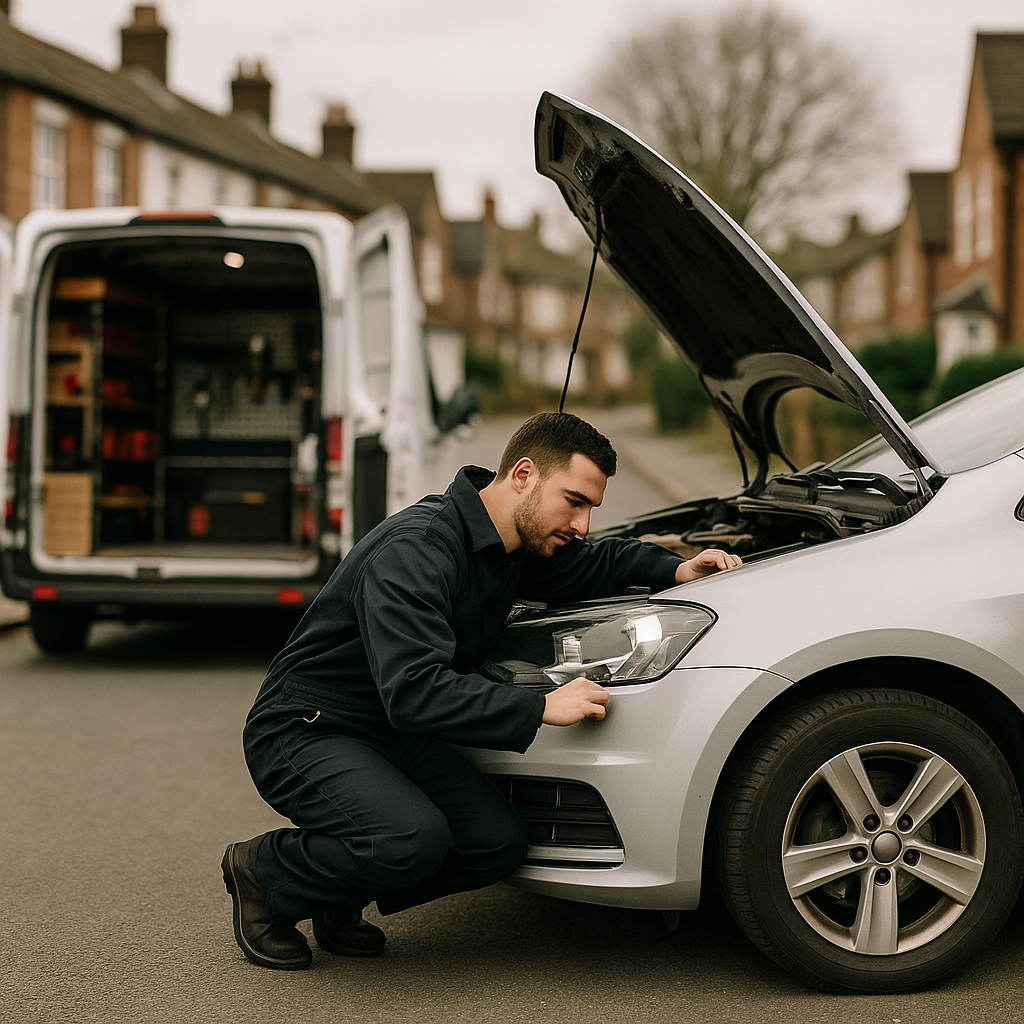
    Mobile mechanic UK working on a car bonnet on a British residential street

    What’s driving the growth of mobile mechanics in the UK?

    Cost pressure is the obvious one. Main dealers are expensive. Labour rates at franchised workshops regularly hit £120 to £180 per hour in and around major UK cities, and that’s before parts, VAT, and the obligatory advisory list that somehow always includes a new set of wipers and a pollen filter. A mobile mechanic typically charges between £50 and £90 per hour for most general servicing and diagnostic work, often with no additional call-out fee for local jobs.

    The convenience factor is massive too. You don’t lose a full day dropping the car off, arranging a courtesy car that may or may not be available, and then spending your lunch break chasing a service advisor. The mechanic comes to your house, your workplace car park, or wherever the car happens to be sitting. For fleet managers and anyone juggling a busy schedule, that’s a genuine time-saver rather than just a nice-to-have.

    Post-pandemic, the gig economy also gave this sector a significant push. A lot of highly trained technicians left dealerships and set up independently. Many of them are genuinely excellent, with decades of experience working on specific marques. I’ve personally used a former main-dealer BMW technician who went independent, and the quality of his diagnostics put some official workshops to shame.

    DVSA registration and what it actually means

    Here’s where it gets slightly more nuanced. In the UK, vehicle repair and servicing isn’t a fully regulated trade in the same way that gas engineering or electrical work is. Anyone can, legally, call themselves a mechanic. However, the Driver and Vehicle Standards Agency (DVSA) does operate voluntary accreditation through the MOT tester scheme, and traders can also seek recognition through bodies like the Institute of the Motor Industry (IMI) or trade associations such as the Retail Motor Industry Federation (RMIF).

    When you’re searching for a mobile mechanic UK, look specifically for IMI-accredited technicians or those registered under a recognised garage scheme. The IMI’s TechSafe register is a solid starting point. It’s not a perfect guarantee, but it signals someone who has taken the trouble to be assessed and insured properly.

    Public liability insurance is non-negotiable. Any legitimate mobile mechanic should carry it without hesitation, and if they can’t produce evidence of it when asked, walk away. No arguments.

    Does using a mobile mechanic void your car’s warranty?

    This is the question that makes a lot of new-car owners nervous, and the answer is more reassuring than the dealerships would like you to believe. Under EU Block Exemption regulations that were retained in UK law post-Brexit, manufacturers cannot legally void your warranty simply because you had servicing carried out by an independent garage or mobile mechanic, provided the work was done to the manufacturer’s specification using parts of equivalent quality.

    The key conditions: the correct oil grade must be used, the correct filters and parts fitted, and the service history must be stamped and documented properly. A professional mobile mechanic will use genuine or OE-equivalent parts and will stamp your service book. If they’re reluctant to do that, it’s a red flag.

    Where it gets complicated is with extended manufacturer warranties, dealer-added warranty products, or certain prestige brands that have historically applied pressure around this issue. If your car is under an active manufacturer warranty and you’re not sure of the terms, read the warranty booklet carefully or contact the manufacturer directly before booking any independent work.

    Real cost comparison: mobile mechanic vs main dealer

    Let’s use a common scenario. A full service on a mid-range family car, say a Ford Focus 1.0 EcoBoost, at a Ford main dealer in most UK towns will run you anywhere from £180 to £280 depending on the service interval and region. A competent, accredited mobile mechanic doing the same job with equivalent parts and the correct Ford-spec oil will typically charge £100 to £150 all-in.

    For something like a cambelt replacement on a 2.0-litre diesel, you’re looking at £500 to £700 at a franchised dealer versus £300 to £450 from a quality independent. The parts cost is broadly similar; the difference is labour rate and overheads. Mobile mechanics don’t have a prestige showroom or a dedicated service reception team to fund.

    Diagnostics is another area where the gap is obvious. Many dealers charge £80 to £100 just to read fault codes, even if you then book the repair with them. A mobile mechanic will often include a basic diagnostic scan as part of the call-out or fold it into the overall job cost.

    When a mobile mechanic isn’t the right call

    There are jobs that genuinely require a workshop environment. Anything involving a four-post lift, gearbox removal, bodywork, or specialist equipment that physically cannot fit in a Transit Connect van is a dealership or independent workshop job. Air conditioning re-gassing needs specific F-gas certified equipment. Structural repairs after a shunt need a proper bodyshop with a jig.

    Equally, if your car is still under the manufacturer’s new-car warranty and is showing a serious fault, taking it to the main dealer protects your warranty claim process. Let them diagnose and fix defects that should be covered at their cost, not yours.

    How to find a trustworthy mobile mechanic in the UK

    Word of mouth remains the most reliable route. Local Facebook groups and community forums are genuinely useful here because you get honest feedback from people who’ve actually had work done. Beyond that, check for IMI membership, read Google reviews carefully (a decent spread of genuine reviews over time matters more than a handful of five-star ratings from last month), and always ask for a written quote before work starts.

    Confirm they carry public liability insurance, ask where they source parts, and check whether they’ll stamp your service book. A mobile mechanic UK worth their salt will have answers to all of this without blinking.

    The honest truth is that the best independent mobile mechanics are every bit as capable as main-dealer technicians, often more so because they’ve worked across dozens of different makes rather than being siloed into one brand’s training programme. The worst are cowboys who’ll charge you for work that hasn’t been done and disappear. The gap between those two extremes is why doing your homework before booking matters so much.

    Frequently Asked Questions

    Is a mobile mechanic UK cheaper than a main dealer?

    Yes, typically significantly cheaper. Labour rates at mobile mechanics generally range from £50 to £90 per hour, compared to £120 to £180 or more at franchised dealerships. On a standard full service, you can expect to save anywhere from £80 to £150 depending on the vehicle and region.

    Will using a mobile mechanic void my car's warranty?

    Not if the work is carried out correctly. UK law, retained from EU Block Exemption regulations, prevents manufacturers from voiding your warranty solely because an independent mechanic did the servicing, as long as the correct parts and fluids are used and the work is properly documented. Always ensure your service book is stamped and keep receipts for any parts used.

    How do I know if a mobile mechanic is qualified and trustworthy?

    Look for IMI (Institute of the Motor Industry) accreditation or TechSafe registration, and confirm they carry public liability insurance. Checking genuine Google reviews, asking for a written quote upfront, and getting confirmation they’ll stamp your service book are all good filters for separating professionals from chancers.

    What jobs can a mobile mechanic actually do at home?

    Most routine servicing, brake work, clutch replacements, battery and alternator swaps, diagnostics, suspension components, and many engine repairs can all be done on a driveway or car park. Jobs requiring a ramp, bodywork repairs, or specialist equipment like F-gas AC re-gassing gear generally need a workshop.

    Do mobile mechanics in the UK need to be DVSA registered?

    Vehicle servicing and repair isn’t a fully licensed trade in the UK in the same way as gas or electrical work, so DVSA registration isn’t mandatory for general mechanical work. However, MOT testing requires DVSA authorisation. For peace of mind, prioritise mechanics with IMI accreditation or membership of a recognised trade body like the RMIF.